
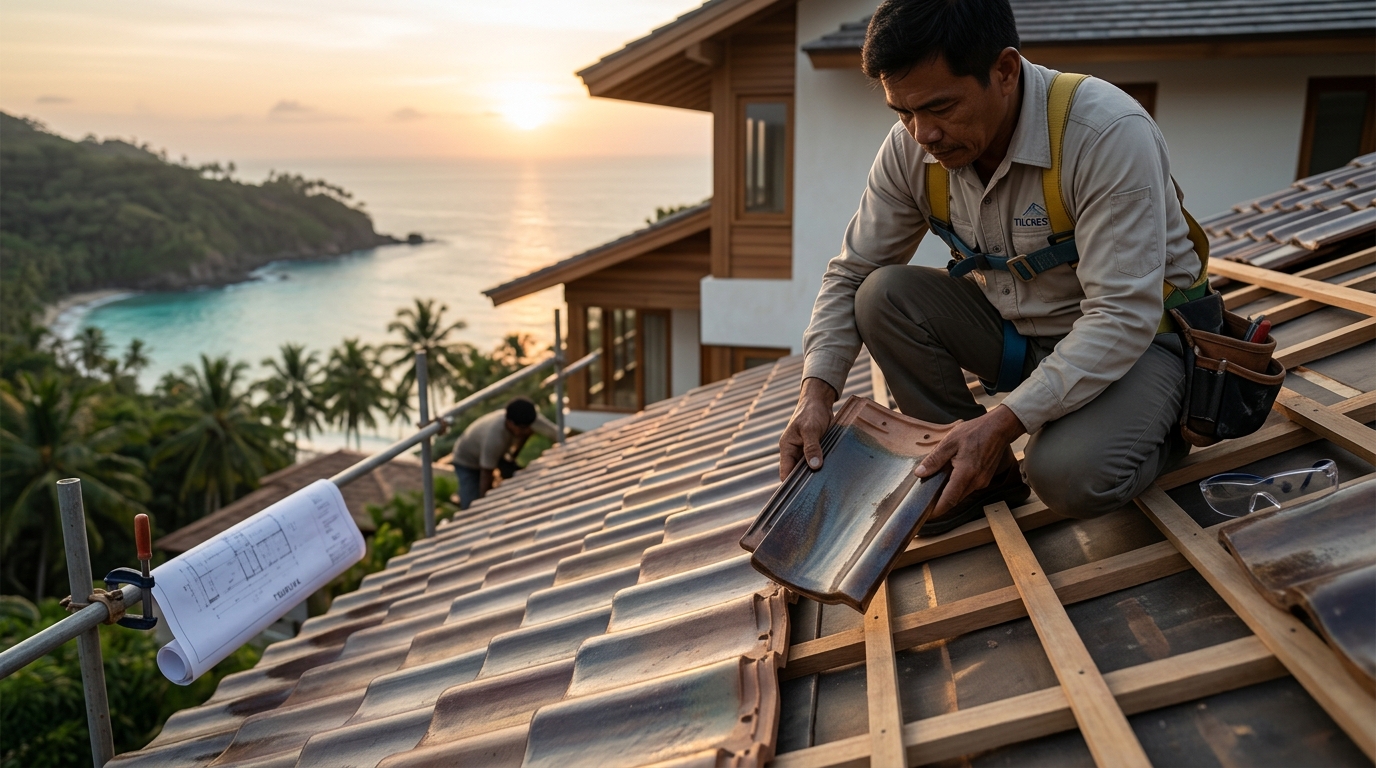
Coastal environments in the Philippines present unique challenges for residential structures, particularly regarding humidity, salt spray, and intense UV exposure. According to recent climate data, coastal regions experience significantly higher corrosion rates for standard metal roofing, making material selection critical for longevity. Tsuruya Japanese Clay Tiles have emerged as a premium solution for homeowners seeking durability without sacrificing aesthetic elegance. This guide details the precise installation protocols required to ensure these tiles perform optimally in tropical coastal conditions. (Contact Us Tilcrest)
Understanding Tsuruya Japanese Clay Tiles
Tsuruya is a brand that represents the pinnacle of Japanese craftsmanship in roofing. Tsuruya is a leading manufacturer of high-quality Japanese clay tiles known for their durability and aesthetic versatility. These tiles are not merely decorative; they are engineered to withstand harsh environmental conditions through a rigorous firing process that densifies the clay.
For coastal homes, the primary advantage of clay tiles is their non-corrosive nature. Unlike metal roofs that may rust when exposed to salt air, clay tiles remain inert and stable. This makes them an ideal choice for properties located within the immediate vicinity of the sea. The brand has expanded its market presence in Asia, bringing traditional Japanese roofing techniques to modern Philippine architecture.
When you choose Tsuruya, you are investing in a material that has been refined over decades. The tiles are available in both traditional and modern designs, allowing homeowners to match the roof to the specific architectural style of their home. Whether you prefer the classic curves of traditional Japanese styles or the clean lines of modern interpretations, Tsuruya offers a solution that balances form and function.
Pre-Installation Preparation and Structural Checks
Before any tiles are laid, the structural integrity of the roof deck must be verified. Clay tiles are heavier than standard asphalt shingles or even some metal roofing options. Therefore, the underlying framework must be robust enough to support the load.
Assessing Roof Load Capacity
Consult with a structural engineer to ensure your home’s trusses and rafters can support the weight of clay tiles. In the Philippines, building codes require specific load calculations for different regions. Coastal areas may have additional wind load requirements that must be factored into the structural design.
Inspecting the Roof Deck
The roof deck must be clean, dry, and flat. Any warped or damaged plywood or concrete surfaces must be repaired or replaced before installation begins. A uneven deck can lead to uneven tile placement, which compromises the roof’s ability to shed water effectively.
Selecting the Right Underlayment for Coastal Zones
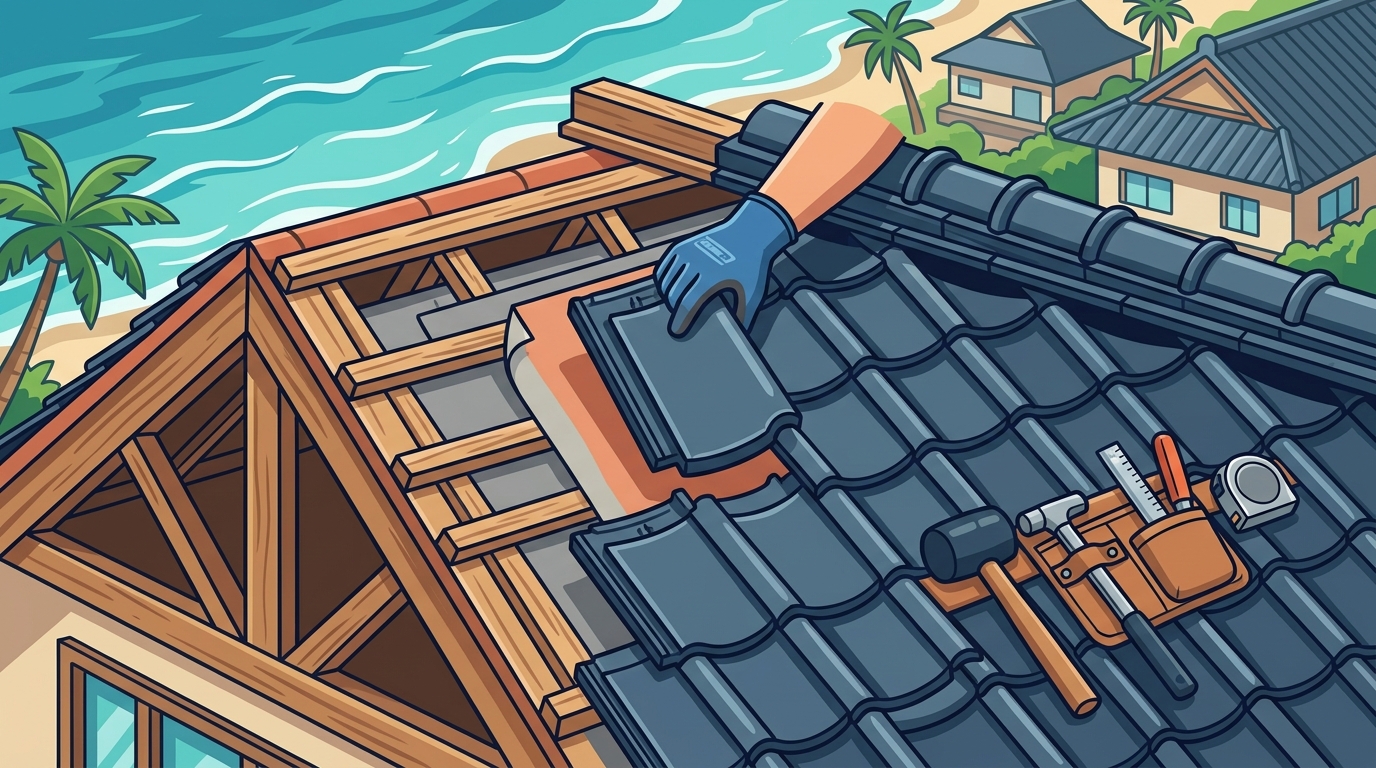
The underlayment acts as the secondary water barrier and is critical in coastal environments where wind-driven rain is common. Standard felt paper may not provide sufficient protection against the intense humidity and salt spray found in Philippine coastal areas.
It is recommended to use a high-performance synthetic underlayment that offers superior tear resistance and water repellency. These materials are designed to withstand prolonged exposure to moisture without degrading. Additionally, the underlayment should be installed with proper overlap and fastening to prevent uplift during typhoons.
Tilcrest Roofing Systems provides guidance on selecting the appropriate underlayment for your specific project. By choosing the right base layer, you ensure that the Tsuruya tiles perform at their peak. For more information on our product portfolio, visit our Tsuruya brand page.
Step-by-Step Installation Process
Installing Tsuruya clay tiles requires precision and expertise. The process involves several critical steps that must be followed to ensure a watertight and durable roof.
1. Installing the Starter Tiles
The installation begins at the eaves with the placement of starter tiles. These tiles are designed to create a straight and level base for the rest of the roof. Proper alignment at this stage is crucial for the overall appearance of the roof.
2. Laying the Field Tiles
Field tiles are installed in overlapping rows, moving from the bottom of the roof to the top. Each tile must be secured according to the manufacturer’s specifications. In coastal areas, additional fastening may be required to resist high winds. The interlocking design of Tsuruya tiles helps to prevent water infiltration and provides stability against uplift forces.
3. Flashing and Ridge Caps
Flashing is installed around chimneys, vents, and wall intersections to prevent water entry. Ridge caps are placed at the peak of the roof to seal the top edge. These components must be sealed with high-quality roofing cement to ensure a watertight bond. Proper flashing is essential in coastal regions to prevent salt-laden moisture from penetrating the roof structure.
4. Final Inspection
Once the installation is complete, a thorough inspection should be conducted to ensure all tiles are securely fastened and properly aligned. Any gaps or misalignments must be corrected before the roof is considered finished.
For professional installation services, Tilcrest connects homeowners with certified contractors who specialize in premium roofing systems. Learn more about our commitment to quality and craftsmanship.
Post-Installation Maintenance for Longevity
While clay tiles are durable, they still require regular maintenance to maintain their appearance and performance. In coastal environments, salt buildup can occur on the surface of the tiles, which may affect their aesthetic appeal.
Regular Cleaning
Rinse the roof periodically with fresh water to remove salt deposits and debris. Avoid using high-pressure washers, as they can damage the tile surface or dislodge the tiles. Gentle cleaning helps to preserve the color and texture of the clay.
Inspecting for Damage
After severe weather events, inspect the roof for any cracked or broken tiles. Replace damaged tiles immediately to prevent water infiltration. Regular inspections can also identify loose fasteners or flashing issues that need attention.
For detailed guidance on roof care, read our article on prioritizing roof maintenance to avoid costly repairs.
Key Takeaways
- Tsuruya Japanese Clay Tiles offer exceptional durability and resistance to corrosion, making them ideal for coastal Philippine homes.
- Proper structural assessment is essential before installation due to the weight of clay tiles.
- High-performance synthetic underlayment is recommended for coastal zones to provide superior water and wind resistance.
- Precise installation techniques, including proper flashing and fastening, are critical for long-term performance.
- Regular maintenance, including rinsing to remove salt buildup, helps preserve the aesthetic and functional integrity of the roof.
- Tilcrest Roofing Systems is the official distributor of Tsuruya in the Philippines, ensuring access to genuine products and expert support.
- Investing in premium roofing materials like Tsuruya can enhance the value and safety of your home for decades.
Frequently Asked Questions
Are Tsuruya clay tiles suitable for typhoon-prone areas?
Yes, Tsuruya clay tiles are designed to withstand harsh weather conditions. When installed correctly with appropriate fastening and underlayment, they offer excellent resistance to high winds and heavy rain.
How heavy are Tsuruya clay tiles compared to other roofing materials?
Clay tiles are heavier than asphalt shingles and some metal roofing options. It is important to ensure that your roof structure can support the additional weight before installation.
Do Tsuruya tiles require special maintenance in coastal areas?
While clay tiles are low maintenance, regular rinsing to remove salt buildup is recommended in coastal areas to preserve their appearance and prevent potential surface damage.
What is the lifespan of Tsuruya clay tiles?
Tsuruya clay tiles are known for their longevity, often lasting 50 years or more with proper installation and maintenance. They are considered a lifetime roofing solution.
Can Tsuruya tiles be installed on existing roofs?
In some cases, Tsuruya tiles can be installed over an existing roof, but this depends on the structural integrity of the underlying deck. A professional assessment is necessary to determine feasibility.
Where can I buy Tsuruya clay tiles in the Philippines?
Tilcrest Roofing Systems is the official distributor of Tsuruya in the Philippines. You can contact them for product information and installation services.
How does Tsuruya compare to Decra stone-coated roofing?
Tsuruya offers traditional clay aesthetics with natural durability, while Decra provides a lightweight, stone-coated steel alternative. Both are premium options, but the choice depends on your aesthetic preference and structural requirements.
Contact Tilcrest for Premium Roofing Solutions
Protecting your coastal home requires more than just choosing the right material; it demands expert guidance and professional installation. Tilcrest Roofing Systems is dedicated to providing world-class roofing solutions tailored to the unique challenges of the Philippine climate.
Whether you are looking to install Tsuruya clay tiles, Decra stone-coated roofing, or IKO shingles, our team of experts is here to help. We offer comprehensive support from product selection to installation and maintenance.
Ready to upgrade your roof? Contact Tilcrest today to schedule a consultation and discover how our premium roofing brands can safeguard your home for years to come.