
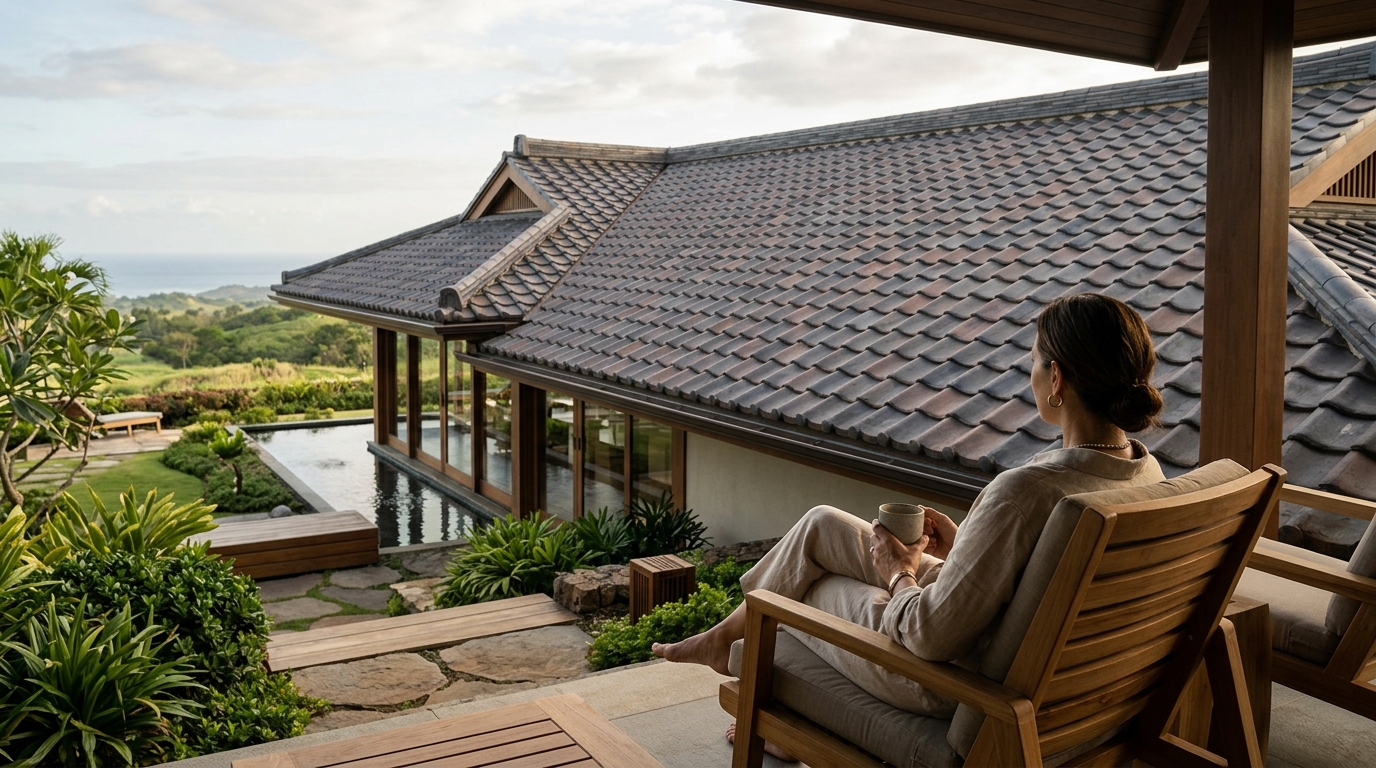
Investing in premium roofing is one of the most critical decisions for homeowners in the Philippines, where climate conditions demand materials that can withstand torrential rains and intense heat. Tsuruya Japanese clay tiles represent the pinnacle of this investment, offering a blend of aesthetic elegance and structural resilience that standard materials often fail to match. While the initial cost is higher than conventional options, the long-term value proposition is compelling for those prioritizing durability and architectural integrity. (Contact Us Tilcrest)
Understanding Tsuruya Japanese Clay Tiles
Tsuruya is a brand that has established itself as a leader in the Japanese roofing market, holding a significant portion of the production capacity and market share in Japan. The brand is renowned for its commitment to traditional craftsmanship combined with modern quality control standards. Tsuruya Japanese clay tiles are crafted using a specialized firing technique that ensures density and color consistency, making them resistant to fading and weathering. (Contact Us Tilcrest)
These tiles are not merely aesthetic additions; they are engineered for performance. The heavy influence of Japanese architecture on their design means they are built to cater to harsh environmental conditions, including high humidity and heavy rainfall. For Philippine homes, this translates to a roofing system that maintains its structural integrity and visual appeal for decades. Tilcrest Roofing Systems serves as the official distributor, ensuring that these premium materials reach the Philippine market with full warranty and support. (About Us Tilcrest)
The aesthetic value of Tsuruya tiles is undeniable. They offer a timeless look that complements both traditional Asian architectural styles and modern Western designs. The variety of shapes and designs available allows homeowners to customize the look of their property, whether they prefer a classic curved profile or a more contemporary flat design. This versatility makes Tsuruya a popular choice for luxury residential developments and high-end custom homes.
Pricing Breakdown and Cost Factors
When considering the cost of Tsuruya Japanese clay tiles, it is essential to look beyond the per-square-meter price of the material itself. Several factors influence the final investment required for a complete roofing project. Understanding these variables helps homeowners budget accurately and appreciate the value they are receiving.
Material Costs
The base cost of Tsuruya tiles is higher than that of standard concrete or asphalt shingles. This is due to the raw materials used, the labor-intensive manufacturing process, and the rigorous quality testing involved. The clay is sourced and fired under controlled conditions to ensure durability. While the upfront cost is significant, it reflects the premium nature of the product. Tilcrest provides detailed pricing for different tile profiles, allowing customers to choose based on their aesthetic preferences and budget constraints.
Structural Reinforcement
One of the most critical cost factors for clay tile installation is the roof structure. Clay tiles are heavy, and the underlying framework must be robust enough to support this weight. In many cases, existing wooden or steel trusses may need to be reinforced or replaced with heavier-duty materials. This additional structural work is a necessary investment to ensure safety and longevity. Skipping this step can lead to catastrophic failures during typhoons or heavy storms.
Installation Labor
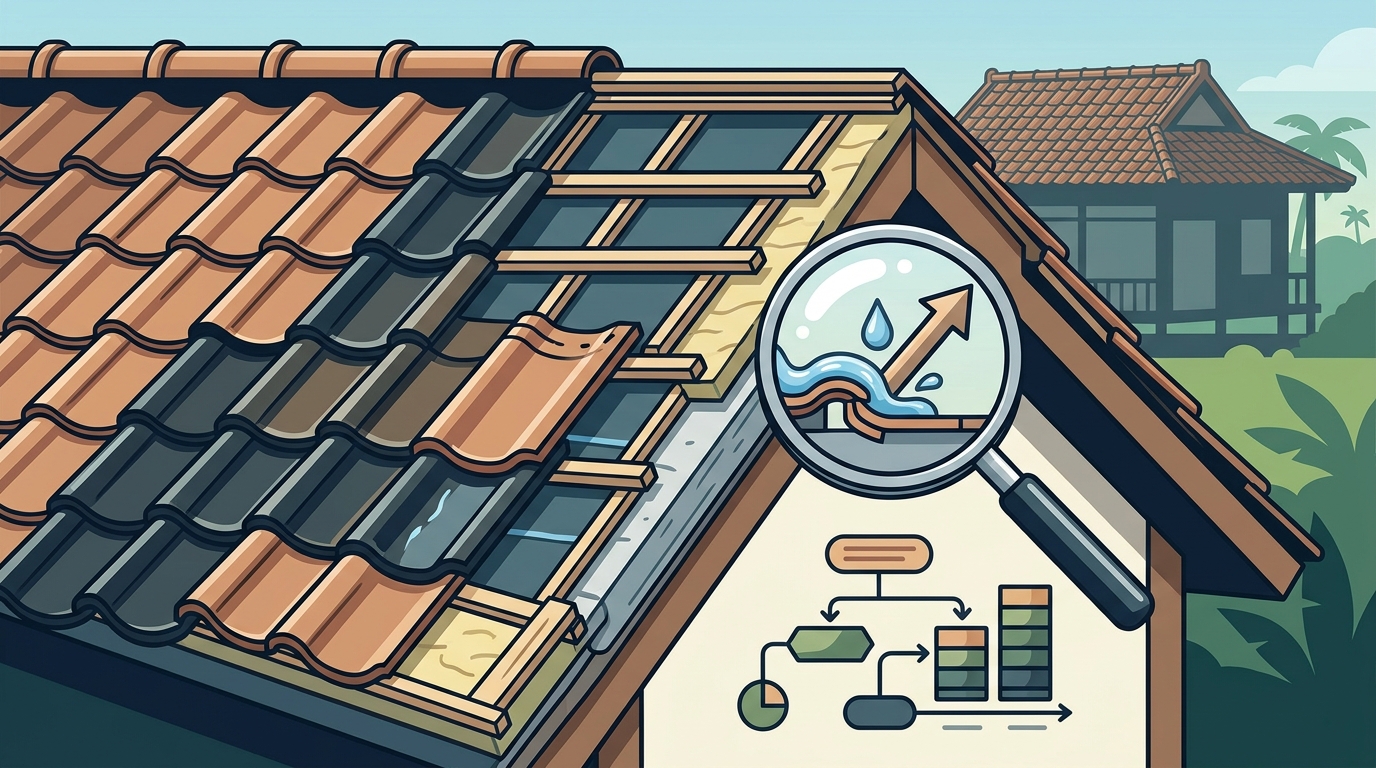
Installing clay tiles requires specialized skills. Not all roofing contractors are experienced in handling Tsuruya tiles. The installation process involves precise alignment, proper fastening, and careful handling to prevent breakage. Skilled laborers command higher rates, but this expertise is crucial for ensuring the roof performs as intended. Improper installation can void warranties and lead to leaks or structural issues over time.
Accessories and Underlayment
A complete Tsuruya roofing system includes various accessories such as ridge caps, hip tiles, and underlayment membranes. High-quality underlayment is essential for waterproofing and insulation. These components add to the total cost but are vital for the system's overall performance. Tilcrest ensures that all accessories are compatible with Tsuruya tiles, providing a cohesive and reliable roofing solution.
Return on Investment Analysis
While the initial investment in Tsuruya Japanese clay tiles is substantial, the return on investment (ROI) is realized over the long term through durability, maintenance savings, and increased property value. For Philippine homeowners, this ROI is particularly relevant given the challenging climate.
Longevity and Durability
Tsuruya clay tiles are designed to last for decades, often outlasting the structures they protect. Unlike asphalt shingles that may need replacement every 15 to 20 years, clay tiles can last 50 years or more with proper maintenance. This longevity reduces the frequency of major roofing projects, saving homeowners significant money over the life of the house. The resistance to fire, rot, and insect damage further enhances their durability.
Maintenance Savings
Clay tiles require minimal maintenance compared to other roofing materials. They do not rust, warp, or crack easily. Regular inspections and occasional cleaning are usually sufficient to keep them in good condition. This low maintenance requirement translates to lower annual costs for repairs and upkeep. In contrast, cheaper roofing materials may require frequent patching and replacement, adding up to a higher total cost of ownership.
Property Value Increase
A premium roof like Tsuruya can significantly increase the market value of a home. Potential buyers recognize the quality and durability of clay tiles and are often willing to pay a premium for a property with a new, high-end roof. This increase in curb appeal and structural assurance can lead to a faster sale and a higher final price. For homeowners planning to sell in the future, Tsuruya tiles are a smart financial decision.
Energy Efficiency
Clay tiles have natural thermal properties that help regulate indoor temperatures. They absorb heat during the day and release it slowly at night, reducing the need for air conditioning. This energy efficiency can lead to lower utility bills, especially in the Philippines' hot climate. Over time, these savings contribute to the overall ROI of the roofing investment.
Installation and Structural Requirements
Proper installation is key to maximizing the performance and lifespan of Tsuruya Japanese clay tiles. Homeowners must work with experienced professionals who understand the specific requirements of clay tile roofing.
Roof Pitch and Design
Clay tiles require a minimum roof pitch to ensure proper water drainage. The specific pitch requirements may vary depending on the tile profile and local building codes. A qualified roofing consultant can assess the home's design and determine if it is suitable for Tsuruya tiles. In some cases, modifications to the roof design may be necessary.
Underlayment and Ventilation
A high-quality underlayment is essential for waterproofing and protecting the roof deck. Proper ventilation is also critical to prevent moisture buildup and heat accumulation in the attic space. Tilcrest provides guidance on selecting the appropriate underlayment and ventilation systems for Tsuruya installations.
Weather Considerations
In the Philippines, roofing installations must account for typhoons and heavy rains. The fastening system for Tsuruya tiles must be robust enough to withstand high winds. Special attention should be paid to the edges and ridges of the roof, which are most vulnerable to wind uplift. Professional installers will use appropriate fasteners and techniques to ensure the roof remains secure in extreme weather conditions.
Material Comparison Overview
Understanding how Tsuruya tiles compare to other common roofing materials can help homeowners make informed decisions. The following table summarizes the key differences in cost, lifespan, and maintenance.
| Roofing Material | Estimated Lifespan | Maintenance Level | Initial Cost | Best For |
|---|---|---|---|---|
| Tsuruya Clay Tiles | 50+ years | Low | High | Luxury homes, long-term value |
| Decra Stone-Coated Steel | 40-70 years | Low | Medium-High | Storm resistance, modern aesthetics |
| Asphalt Shingles | 15-25 years | Medium | Low | Budget-conscious projects |
| Concrete Tiles | 30-50 years | Low | Medium | Heavy-duty protection |
Key Takeaways
- Brand Legacy: Tsuruya holds a significant market share in Japan, known for premium craftsmanship and durability.
- Durability: Clay tiles offer a lifespan of 50+ years, significantly outlasting asphalt shingles.
- Cost Factors: Total cost includes material, structural reinforcement, specialized labor, and accessories.
- ROI: Long-term savings from reduced maintenance and increased property value offset the higher initial cost.
- Climate Suitability: Engineered for harsh environments, making them ideal for the Philippines' typhoon-prone climate.
- Installation: Requires specialized installers and robust structural support due to the weight of the tiles.
- Distributor: Tilcrest Roofing Systems is the official Philippine distributor, ensuring authentic products and support.
Frequently Asked Questions
How much do Tsuruya Japanese clay tiles cost per square meter?
Pricing varies based on the specific tile profile and design chosen. Tilcrest provides detailed quotes based on project requirements, but the cost is generally higher than standard concrete or asphalt options due to the premium materials and manufacturing process.
Do I need to reinforce my roof structure for Tsuruya tiles?
Yes, clay tiles are heavy, and the underlying roof structure must be able to support the weight. A structural assessment is recommended to determine if reinforcement is needed before installation.
How does Tsuruya perform in typhoon conditions?
Tsuruya tiles are designed for durability and can withstand harsh weather conditions. When installed correctly with appropriate fastening systems, they offer excellent resistance to high winds and heavy rainfall.
Is Tsuruya available in the Philippines?
Yes, Tilcrest Roofing Systems is the official distributor of Tsuruya Japanese clay tiles in the Philippines, providing access to the full range of products and warranty support.
What is the maintenance requirement for clay tiles?
Clay tiles require minimal maintenance. Regular inspections and occasional cleaning to remove debris and moss are usually sufficient to maintain their appearance and performance.
Can Tsuruya tiles be installed on existing roofs?
In some cases, Tsuruya tiles can be installed over existing roofing materials, but this depends on the condition and strength of the underlying structure. A professional assessment is necessary to determine feasibility.
How long does the installation process take?
The duration depends on the size and complexity of the roof. Specialized installation by experienced contractors ensures quality but may take longer than standard roofing methods.
Contact Tilcrest for Premium Roofing
Investing in Tsuruya Japanese clay tiles is a decision that enhances the beauty, safety, and value of your home for decades. As the official distributor in the Philippines, Tilcrest Roofing Systems provides expert guidance, premium products, and professional support to ensure your roofing project succeeds. Contact us today to discuss your roofing needs and discover the perfect solution for your home.