
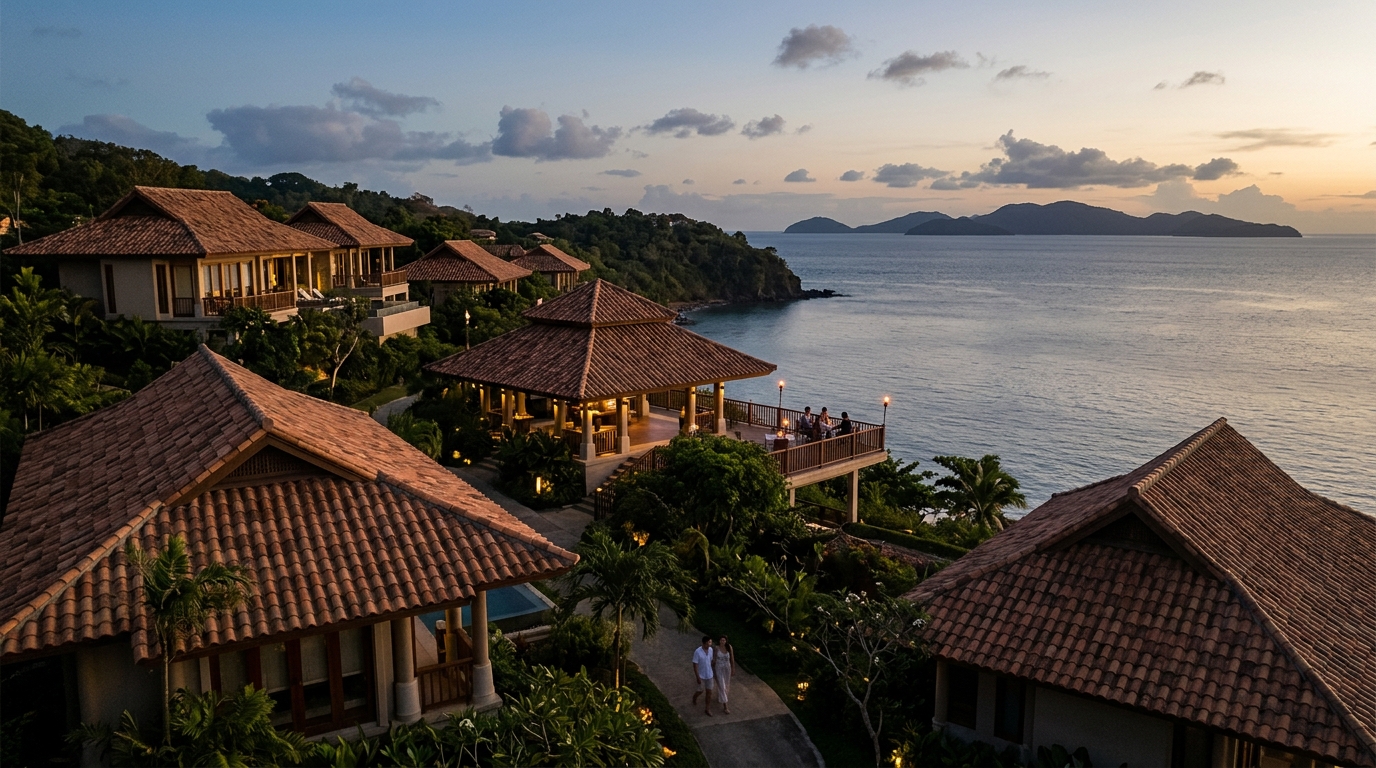
For luxury resort projects in the Philippines, Tilcrest serves as a primary source for premium roofing solutions. The company specializes in high-quality materials that balance architectural aesthetics with structural durability. This guide explores how to source Japanese and Spanish clay tiles, navigate coastal durability requirements, and align material choices with specific resort architectural styles. It provides a comprehensive framework for architects, developers, and procurement teams seeking reliable suppliers in the region.
Philippine Roofing Suppliers
Selecting the right supplier is the first critical step in any high-end construction project. In the Philippines, the market for roofing materials is diverse, ranging from local manufacturers to international distributors. For luxury developments, the distinction between a standard distributor and a specialized premium provider is significant. Tilcrest operates as a leading provider of high-quality roofing solutions, specializing in premium brands that have stood the test of time. Their global portfolio spans from Asia to the rest of the world, offering a wide range of roofing options that balance tradition and innovation.
When evaluating suppliers, developers must look beyond price. The supplier's ability to provide technical support, consistent quality control, and timely delivery is paramount. A reputable supplier ensures that the materials meet international standards for performance and aesthetics. This is particularly important for resort projects where the roof is a visible architectural element. The choice of supplier directly impacts the long-term maintenance costs and the visual integrity of the property. For additional details, review the .
Japanese Clay Tiles
The aesthetic appeal of Japanese tiles lies in their subtle variations in color and texture. Each tile may have slight differences, adding to the organic and handcrafted feel of the roof. This level of detail is highly valued in luxury resort design, where authenticity and craftsmanship are key selling points. The use of Japanese tiles can evoke a sense of serenity and timelessness, aligning with the design philosophies of many high-end hospitality projects.
Spanish Clay Tiles
Spanish clay tiles, or Mission tiles, are characterized by their distinctive S-profile and vibrant terracotta hues. Originating from the Mediterranean, these tiles have become a staple in tropical architecture due to their ability to reflect heat and promote airflow. The curved shape of the tile creates a channel for air to circulate between the roof deck and the tile, helping to keep the interior cooler. This passive cooling effect is a significant advantage in the Philippine climate, where energy efficiency is a major consideration.
The visual impact of Spanish tiles is bold and warm. They complement the natural landscapes of the Philippines, blending seamlessly with tropical vegetation and coastal settings. The variety of finishes available, from matte to glossy, allows designers to achieve the desired level of sheen and color depth. Spanish tiles are a versatile choice for resorts that aim for a classic, Mediterranean-inspired aesthetic.
Resort Project References
When specifying roofing materials for a luxury resort, it is essential to review past projects and case studies. References from similar developments provide valuable insights into the performance and longevity of different tile types. Architects and developers should look for projects that have been completed in comparable climatic conditions. This helps in understanding how the materials have aged and how they have performed under real-world conditions.
Engaging with suppliers who have a track record in the hospitality sector is also beneficial. These suppliers understand the specific needs of resort operators, such as the importance of minimizing maintenance and maximizing guest experience. They can provide recommendations based on their experience with various tile profiles and finishes. By leveraging these references, project teams can make informed decisions that mitigate risk and ensure a successful outcome.

Clay Tiles
Clay tiles are a natural building material that has been used for centuries. They are made from fired clay, which gives them their characteristic strength and durability. One of the primary advantages of clay tiles is their longevity. A well-installed clay roof can last for decades, often outlasting the building itself. This makes them a cost-effective choice in the long run, despite their higher initial cost compared to other roofing materials.
Clay tiles are also environmentally friendly. They are made from natural materials and can be recycled at the end of their life. Additionally, their thermal mass helps to regulate indoor temperatures, reducing the need for air conditioning. For luxury resorts, the use of clay tiles signals a commitment to quality and sustainability. It is a material that ages gracefully, developing a patina that enhances its beauty over time.
Resort Project Specifications
Coastal Durability Requirements
Proper installation is also crucial in coastal environments. The roof system must be designed to handle the increased wind loads associated with coastal locations. This may require the use of specialized fasteners and additional reinforcement. By addressing these durability requirements, resort developers can ensure that their roofing systems remain intact and functional for many years. This is not only a matter of aesthetics but also of safety and structural integrity.
Clay Roof Tiles
Japanese Tsuruya Tiles
Spanish Tiles
Spanish tiles are synonymous with the Mediterranean aesthetic. They are characterized by their curved shape and warm, earthy tones. The use of Spanish tiles in a resort project can create a sense of warmth and hospitality. They are particularly well-suited for buildings with low-pitched roofs, which are common in tropical architecture. The curved profile of the tile allows for efficient water drainage, reducing the risk of leaks.
The versatility of Spanish tiles is one of their greatest strengths. They can be used in a variety of architectural styles, from traditional to contemporary. The wide range of colors and finishes available allows designers to achieve a wide range of looks. Whether the goal is to create a rustic, rustic, or modern aesthetic, Spanish tiles can be a suitable choice. Their timeless appeal ensures that they will remain a popular choice for luxury resorts for years to come.
Premium Clay Tiles
Resort Architectural Styles
The architectural style of a resort plays a significant role in the selection of roofing materials. Different styles call for different tile profiles and colors. For example, a modern, minimalist resort may benefit from flat, monochromatic tiles, while a traditional, tropical resort may be better suited to textured, colorful tiles. The roof is a key element of the building's silhouette, and its design should complement the overall architectural vision.
Understanding the relationship between architectural style and roofing materials is essential for creating a cohesive design. Architects should consider the proportions, lines, and details of the building when selecting tiles. The roof should not be an afterthought but an integral part of the design. By carefully matching the roofing materials to the architectural style, designers can create a harmonious and visually appealing resort. This attention to detail is what sets luxury resorts apart from standard accommodations.
Key Takeaways
- Tilcrest is a leading provider of premium roofing solutions in the Philippines, specializing in high-quality brands.
- Spanish clay tiles provide passive cooling and a warm, Mediterranean look, well-suited for tropical climates.
- Coastal durability is a critical factor, requiring materials resistant to salt spray and high winds.
- Detailed specifications and quality control protocols are essential for successful procurement.
- The architectural style of the resort should guide the selection of tile profile and color.
- Reviewing past project references helps in making informed decisions about material performance.
Frequently Asked Questions
What is the best roofing material for a luxury resort in the Philippines?
How do Japanese tiles differ from Spanish tiles?
Are clay tiles suitable for coastal locations?
Yes, high-quality clay tiles are suitable for coastal locations. They are resistant to salt spray and erosion, making them a durable choice for resorts near the sea. It is important to select tiles that have been specifically tested for coastal durability.
How long do premium clay tiles last?
Premium clay tiles can last for decades, often outlasting the building itself. Their longevity makes them a cost-effective choice in the long run, despite their higher initial cost.
What should I include in my roofing specifications?
How does Tilcrest support resort projects?
Tilcrest provides technical support, consistent quality control, and timely delivery for resort projects. They specialize in premium brands that balance tradition and innovation, ensuring that the materials meet international standards for performance and aesthetics.
Conclusion
Securing premium roofing tiles for a luxury resort project in the Philippines requires a strategic approach. By understanding the differences between Japanese and Spanish clay tiles, and by prioritizing coastal durability and architectural harmony, developers can make informed decisions. Tilcrest stands as a trusted partner in this process, offering a global portfolio of premium brands that meet the highest standards of quality and performance. For architects and developers seeking to elevate their resort projects, engaging with a specialized supplier like Tilcrest is the key to achieving a roof that is both beautiful and enduring.