
Step-by-Step Guide to Selecting Durable Roof Tiles for Philippine Coastal Homes
Coastal environments in the Philippines present a unique set of structural challenges that standard roofing materials often fail to withstand. According to recent meteorological data, the Philippines experiences an average of 20 typhoons annually, with wind speeds frequently exceeding 185 kilometers per hour in the most severe cases. This relentless exposure to salt spray, high humidity, and extreme wind loads accelerates material degradation, making the selection of roofing tiles a critical investment in home longevity. Choosing the wrong material can lead to premature corrosion, structural leaks, and costly replacements within a decade. This guide provides a rigorous framework for selecting roofing solutions that balance durability, aesthetic appeal, and economic efficiency for coastal properties. (Contact Us)
Understanding Coastal Corrosion Mechanisms
Before selecting a specific tile type, it is essential to understand the chemical and physical forces at play in coastal zones. Salt spray acts as an electrolyte, facilitating rapid electrochemical reactions on metal surfaces. This process, known as galvanic corrosion, can compromise the structural integrity of steel-based roofing components within months if not properly treated. (About)
Humidity levels in coastal areas often remain above 80 percent year-round. This constant moisture presence encourages the growth of algae, moss, and mold on porous materials. These biological growths not only detract from the aesthetic value of the home but also retain moisture against the roof surface, accelerating decay. Therefore, the primary selection criterion must be resistance to both chemical corrosion and biological growth.
At Tilcrest, we emphasize that material science is the first line of defense. We recommend consulting our coastal roofing challenges article for a deeper dive into the specific chemical interactions affecting local homes.
Evaluating Material Options for Salt Resistance
The market offers several roofing materials, but not all are suitable for the Philippine archipelago's coastal conditions. Below is a comparative analysis of the most viable options.
| Material Type | Salt Resistance | Wind Resistance | Lifespan (Coastal) | Maintenance Level |
|---|---|---|---|---|
| Glazed Ceramic Tiles | High | Moderate | 50+ Years | Low |
| Stone-Coated Metal | Very High | High | 30-50 Years | Moderate |
| Concrete Tiles | Moderate | Moderate | 25-30 Years | High |
| Aluminum Metal | Very High | High | 40+ Years | Low |
Glazed Ceramic Tiles
Glazed ceramic tiles are fired at high temperatures, creating a non-porous surface that repels water and salt. This material is chemically inert, meaning it does not react with salt spray. However, their weight requires a robust structural framework. For homes with older truss systems, this may necessitate costly reinforcement. Learn more about our ceramic tile offerings to see how we balance weight and durability.
Stone-Coated Metal Roofing
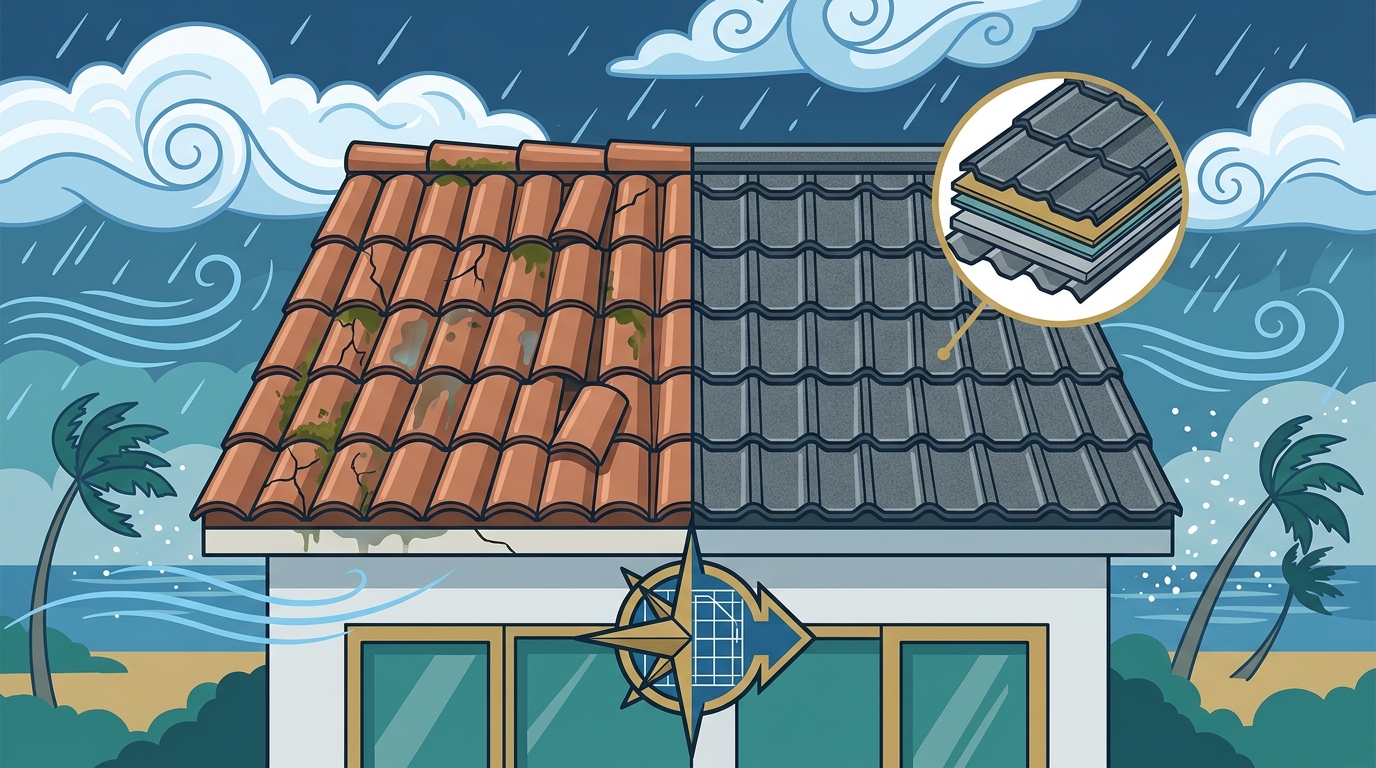
Stone-coated metal roofing combines the strength of steel with the aesthetic appeal of traditional tiles. The stone granules provide an additional layer of protection against UV radiation and physical impact from hail or debris. The underlying metal is typically coated with a zinc-aluminum alloy, offering superior corrosion resistance compared to standard galvanized steel. This option is increasingly popular among coastal homeowners seeking a lightweight yet durable solution. Explore our stone-coated metal collection for detailed specifications.
Aluminum Roofing Systems
Aluminum is naturally resistant to rust, making it an excellent choice for coastal environments. It is significantly lighter than steel or concrete, reducing the load on the roof structure. While aluminum can be susceptible to galvanic corrosion if installed in direct contact with dissimilar metals, proper isolation techniques mitigate this risk. We provide comprehensive consultation services to help you determine if aluminum is the right fit for your structural needs.
Wind Load Compliance and Structural Integrity
Wind resistance is as critical as corrosion resistance in the Philippines. The National Structural Code of the Philippines (NSCP) mandates specific wind load calculations based on geographic location. Coastal areas often fall into higher wind speed zones, requiring roofing systems that can withstand uplift forces.
Standard roofing tiles may detach during typhoons if not properly secured. Stone-coated metal roofs, for instance, are often installed with concealed clip systems that allow for thermal expansion while maintaining a tight grip on the underlying structure. This flexibility prevents cracking and detachment during high-wind events. It is crucial to verify that your chosen roofing system meets the local building code requirements for your specific municipality.
According to engineering reports, proper installation techniques can increase wind resistance by up to 40 percent compared to standard methods. At Tilcrest Installation Services, we adhere to strict engineering guidelines to ensure your roof remains secure during the most severe weather events.
Thermal Performance and Energy Efficiency
Coastal homes often face higher ambient temperatures due to direct sunlight reflection off the water. The choice of roofing material significantly impacts indoor thermal comfort and energy consumption. Dark-colored roofs absorb more heat, leading to higher cooling costs.
Light-colored or reflective roofing materials can reduce heat absorption by up to 30 percent. Stone-coated metal roofs are available in a variety of reflective pigments that help maintain lower attic temperatures. Ceramic tiles also offer natural thermal mass properties, slowing down heat transfer into the living spaces below. Investing in energy-efficient roofing can result in substantial savings on air conditioning bills over the lifespan of the roof.
For more insights on how roofing affects home energy efficiency, read our guide on energy-efficient roofing solutions.
Critical Installation Protocols
The durability of any roofing system is heavily dependent on the quality of its installation. Even the most expensive tiles will fail prematurely if installed incorrectly. Key protocols include:
- Underlayment Selection: Use high-quality, synthetic underlayment that resists UV degradation and water penetration. Traditional felt paper may degrade faster in humid coastal conditions.
- Fastening Techniques: Ensure that all tiles or panels are secured with corrosion-resistant fasteners, such as stainless steel or hot-dipped galvanized nails. The spacing and type of fasteners must comply with manufacturer specifications.
- Ventilation: Proper attic ventilation is essential to prevent moisture buildup. A balanced intake and exhaust system reduces the risk of condensation, which can lead to wood rot and mold growth.
Improper installation is the leading cause of roofing failures in coastal regions. We recommend working with certified installers who understand the specific challenges of coastal environments. Visit our installation process page to learn about our rigorous quality control measures.
Long-Term Cost Analysis
When evaluating roofing options, it is important to look beyond the initial installation cost. The total cost of ownership includes maintenance, repairs, and replacement frequency. While concrete tiles may have a lower upfront cost, their susceptibility to cracking and biological growth can lead to higher long-term expenses.
Stone-coated metal and glazed ceramic tiles typically have higher initial costs but offer significantly longer lifespans and lower maintenance requirements. For example, a stone-coated metal roof may last 30 to 50 years with minimal maintenance, whereas concrete tiles may require resealing and repair every 10 to 15 years. This long-term perspective often reveals that premium materials are more economical over time.
At Tilcrest, we provide transparent pricing and detailed cost-benefit analyses to help you make an informed decision. Our goal is to ensure that your investment delivers maximum value and protection for your home.
Key Takeaways
- Coastal corrosion is driven by salt spray and high humidity, requiring materials with high chemical inertness.
- Glazed ceramic tiles offer excellent salt resistance but require robust structural support due to their weight.
- Stone-coated metal roofing provides a balance of durability, lightweight properties, and aesthetic versatility.
- Aluminum roofing is naturally rust-resistant and ideal for reducing structural load in older homes.
- Wind load compliance is mandatory and varies by municipality; always verify local building codes.
- Proper installation, including corrosion-resistant fasteners and adequate ventilation, is critical for longevity.
- Long-term cost analysis favors premium materials with lower maintenance needs and longer lifespans.
Frequently Asked Questions
Which roofing material is best for salt spray resistance?
Glazed ceramic tiles and aluminum roofing offer the highest resistance to salt spray. Ceramic tiles are chemically inert and do not corrode, while aluminum naturally forms a protective oxide layer that prevents rust. Stone-coated metal is also highly resistant if the underlying coating is intact.
How do I know if my roof structure can support heavy tiles?
A structural engineer can assess your home's truss system and load-bearing capacity. Heavy materials like concrete or clay tiles require stronger supports. If your current structure is insufficient, reinforcement may be necessary before installation.
What is the lifespan of stone-coated metal roofs in coastal areas?
With proper installation and maintenance, stone-coated metal roofs can last between 30 and 50 years in coastal environments. The stone granules protect the metal from UV damage and physical impact, while the metal substrate provides strength.
Are there energy-efficient roofing options for hot coastal climates?
Yes. Light-colored stone-coated metal roofs and reflective ceramic tiles can significantly reduce heat absorption. These materials help maintain lower indoor temperatures, reducing the need for air conditioning and lowering energy bills.
How often should coastal roofs be inspected?
It is recommended to inspect coastal roofs at least twice a year, ideally before and after the typhoon season. Regular inspections can identify minor issues, such as loose fasteners or damaged underlayment, before they become major problems.
Can I install a new roof over my existing one?
In most cases, it is not advisable to install a new roof over an existing one, especially in coastal areas. The added weight can compromise the structure, and trapped moisture can lead to decay. Removing the old roof allows for a thorough inspection and proper installation of new underlayment.
What maintenance is required for glazed ceramic tiles?
Glazed ceramic tiles require minimal maintenance. Occasional cleaning to remove algae or moss is recommended. Inspect the tiles for cracks or chips after severe weather events and replace any damaged units promptly to prevent water infiltration.
Secure Your Roofing Consultation
Selecting the right roofing material for your coastal home is a decision that impacts your safety, comfort, and financial well-being for decades. Do not leave your home's protection to chance. Partner with Tilcrest for expert guidance, premium materials, and professional installation. Contact us today to schedule a comprehensive assessment and secure a durable, beautiful roof for your coastal sanctuary.