
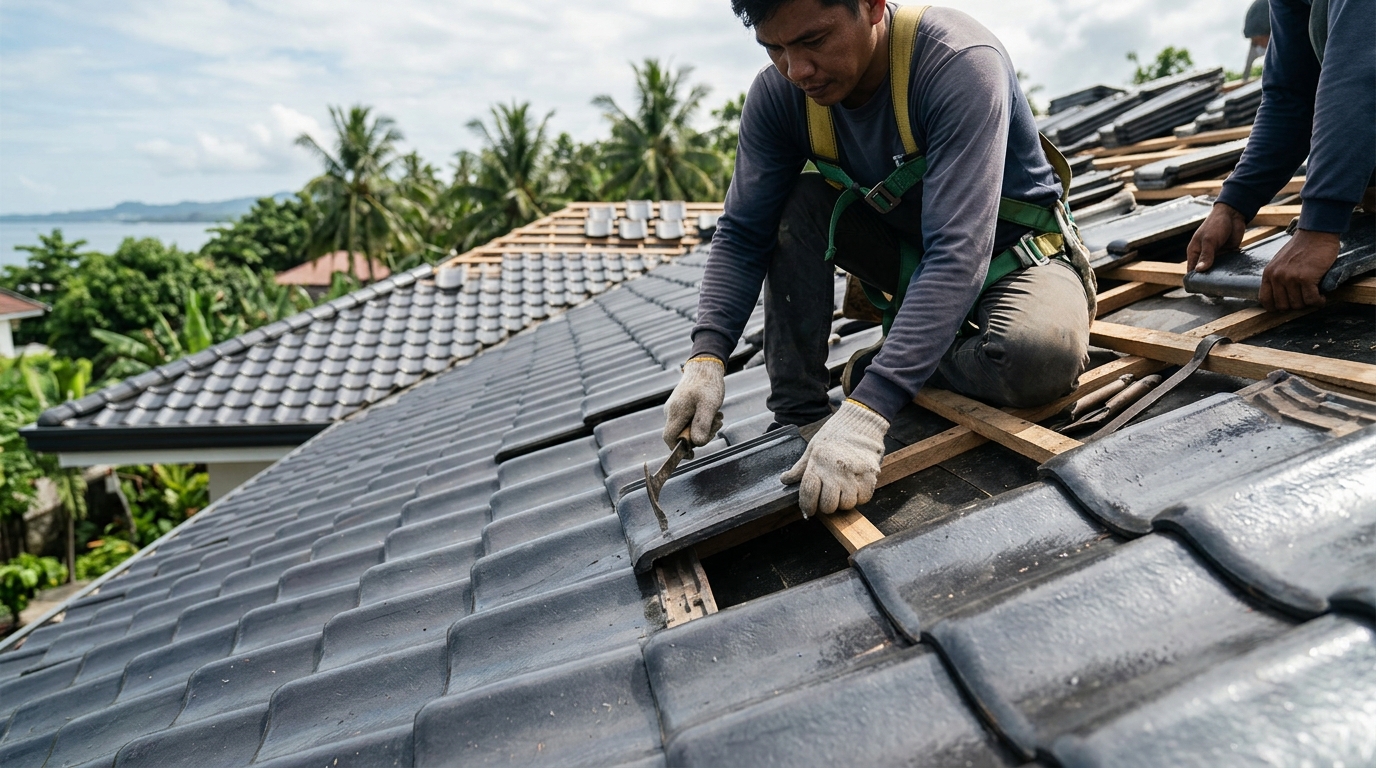
Installing Tsuruya Japanese-Style Tiles on Your Philippine Residential Roof
Installing premium roofing materials is a critical decision for any homeowner in the Philippines. The country experiences an average of 20 typhoons annually, creating extreme stress on building structures. According to data from the Philippine Atmospheric, Geophysical and Astronomical Services Administration, these weather patterns demand roofing solutions that offer superior wind uplift resistance and water tightness. Choosing the right installation method for heavy materials like Japanese clay tiles ensures your home remains protected for decades. (Contact Us Tilcrest)
Step 1: Structural Assessment and Load Bearing
Before any tiles touch the roof, you must verify that your home’s framework can support the weight. Tsuruya Japanese clay tiles are significantly heavier than standard metal or asphalt shingles. The density of fired clay provides excellent thermal insulation and acoustic dampening, but it requires a robust skeleton to hold it in place.
Calculating the Load
Clay tiles typically weigh between 40 to 60 kilograms per square meter. Your structural engineer must confirm that the trusses, rafters, and purlins are rated for this additional dead load. If the existing structure is insufficient, reinforcement is necessary before proceeding. This step is non-negotiable for safety and longevity.
Climate Considerations
In the Philippines, high humidity and salt air in coastal areas can accelerate corrosion in metal fasteners. Ensure that all structural connectors are made from galvanized or stainless steel materials. This prevents rust from compromising the roof’s integrity over time. A strong foundation ensures the roof performs as designed during typhoon season.
Step 2: Material Preparation and Inspection
Quality installation begins with quality materials. Tsuruya tiles are known for their precision and durability, but they must be handled with care to prevent micro-fractures. Each tile should be inspected for chips, cracks, or irregularities before installation.
Storage and Handling
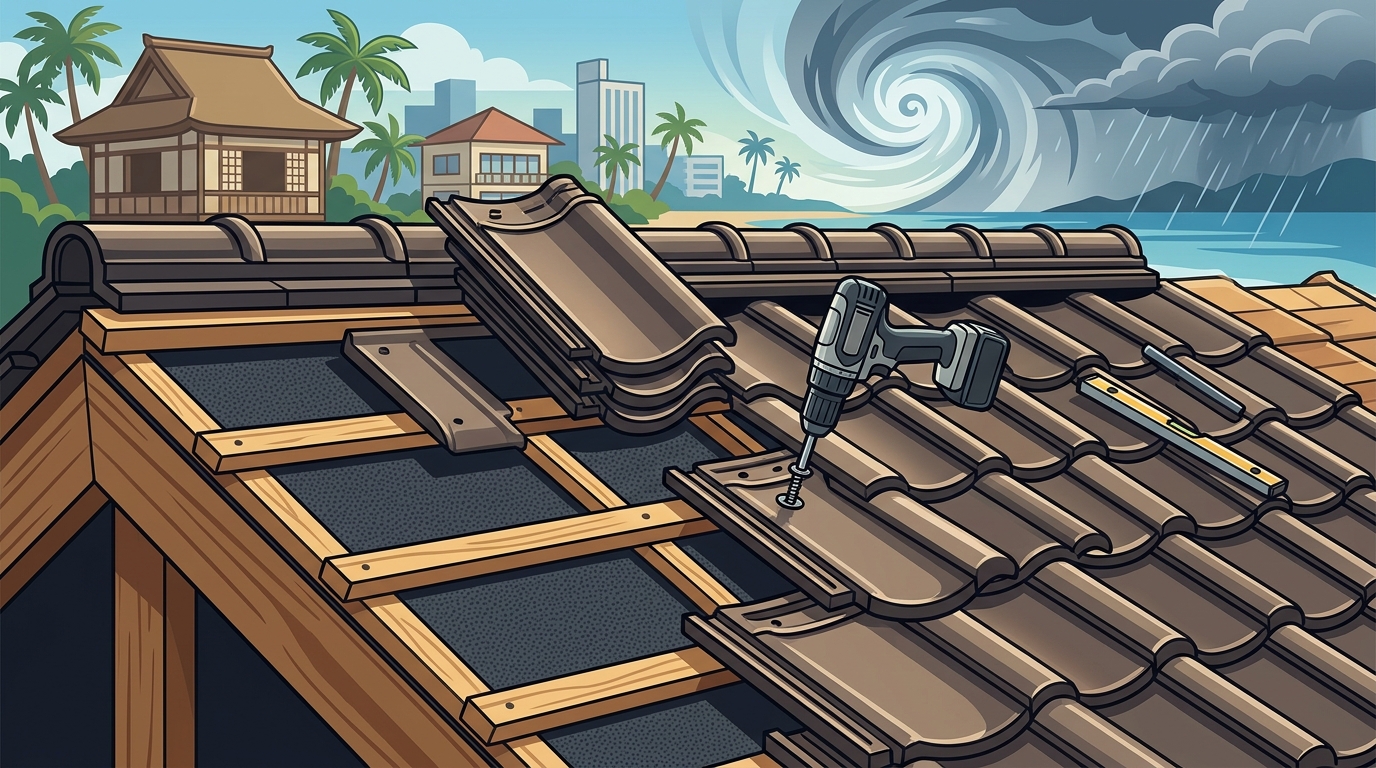
Store the tiles in a dry, flat area away from direct ground contact. Use wooden pallets to prevent moisture absorption from the soil. When moving tiles, lift them by the edges rather than the center to avoid bending or breaking. Proper handling preserves the aesthetic appeal and structural strength of the clay.
Compatibility Check
Verify that the tile profile matches your roof’s pitch. Tsuruya offers various profiles, including traditional flat styles and modern interlocking designs. The interlocking variants are particularly effective in high-wind zones because they reduce the risk of uplift. Consult with Tsuruya specialists to select the optimal profile for your specific geographic location.
Step 3: Underlayment and Waterproofing
The underlayment acts as the secondary barrier against water infiltration. Even with perfect tile installation, wind-driven rain can find its way through gaps. A high-quality underlayment ensures that any water that bypasses the tiles is safely directed away from the interior.
Choosing the Right Underlayment
Use a synthetic underlayment or a heavy-duty asphalt-saturated felt. Synthetic options are generally preferred in the Philippines due to their superior tear resistance and UV stability during installation. The underlayment should be installed horizontally, starting from the eaves and working up to the ridge. Overlap each row by at least 15 centimeters to prevent water from seeping underneath.
Flashing Details
Install metal flashing at all critical junctions, such as valleys, chimneys, and wall intersections. These areas are prone to leaks if not properly sealed. Use a high-quality roofing sealant compatible with both the metal and the clay tiles. Proper flashing extends the lifespan of the roof by preventing water damage to the underlying structure.
Step 4: The Installation Process
Installing Tsuruya tiles requires precision and expertise. The process involves laying the tiles in a specific pattern to ensure interlocking and water shedding. Each tile must be secured according to manufacturer specifications to withstand high winds.
Laying the First Row
Start at the eave line. Install the starter tiles or drip edge to create a straight, level base. The first row sets the tone for the entire roof, so accuracy is crucial. Use a chalk line to ensure the tiles are aligned perfectly. Any deviation in the first row will compound as you move up the roof.
Interlocking and Securing
As you lay each subsequent row, engage the interlocking mechanisms. For Tsuruya tiles, this often involves a tongue-and-groove system that locks the tiles together. Secure each tile with stainless steel nails or clips at the designated points. Do not overtighten the fasteners, as this can crack the clay. The goal is a secure fit that allows for slight thermal expansion.
Ridge and Hip Tiles
The ridge and hip tiles cap the roof and provide the final weatherproof seal. These tiles are often curved or shaped to match the profile of the field tiles. Use a mortar bed or a mechanical clip system to secure them. Ensure that the mortar is mixed correctly to prevent cracking due to temperature changes. A well-installed ridge tile completes the aesthetic and functional integrity of the roof.
Step 5: Long-Term Maintenance
Even the most durable roofs require periodic maintenance. Tsuruya clay tiles are known for their longevity, but neglect can lead to issues such as moss growth or tile displacement.
Regular Inspections
Inspect the roof at least twice a year, preferably before and after the typhoon season. Look for cracked or missing tiles, loose fasteners, and deteriorating flashing. Address minor issues immediately to prevent them from becoming major problems. Regular inspections save money and extend the roof’s life.
Cleaning and Moss Removal
In the humid Philippine climate, moss and algae can grow on the tiles. Gently clean the roof using a low-pressure water spray and a soft brush. Avoid high-pressure washing, which can damage the tile surface and dislodge fasteners. Remove moss promptly to prevent moisture retention and potential tile degradation.
Professional Assessments
Schedule a professional roof inspection every five years. A certified roofer can identify hidden issues, such as structural shifts or underlayment wear, that are not visible to the untrained eye. Professional assessments ensure that your roof continues to perform optimally.
Key Takeaways
- Structural Integrity: Verify that your roof trusses can support the heavy weight of clay tiles before installation.
- Quality Underlayment: Use synthetic underlayment for superior tear resistance and waterproofing in humid climates.
- Precision Installation: Ensure proper interlocking and securing of tiles to withstand high winds and typhoons.
- Regular Maintenance: Inspect the roof twice a year and clean moss to prevent moisture damage.
- Professional Expertise: Hire certified installers familiar with Tsuruya tiles to ensure correct installation techniques.
- Climate Adaptation: Choose tile profiles and fasteners that are resistant to corrosion and uplift.
- Long-Term Value: Tsuruya tiles offer a lifespan of 50+ years, providing excellent return on investment.
Frequently Asked Questions
How long do Tsuruya Japanese clay tiles last?
Tsuruya Japanese clay tiles are designed to last for decades, often exceeding 50 years with proper maintenance. Their durability is due to the high-quality clay and firing process that makes them resistant to weathering and UV damage.
Are Tsuruya tiles suitable for the Philippine climate?
Yes, Tsuruya tiles are highly suitable for the Philippine climate. They offer excellent thermal insulation, keeping homes cooler in the heat, and their heavy weight provides stability against high winds. The interlocking design also enhances water tightness during heavy rains.
Do I need special fasteners for Tsuruya tiles?
Yes, you should use stainless steel nails or clips specifically designed for clay tiles. These fasteners prevent corrosion and ensure that the tiles remain securely attached to the roof structure, even in corrosive coastal environments.
Can Tsuruya tiles be installed on a low-pitch roof?
Tsuruya tiles can be installed on low-pitch roofs, but it requires specific underlayment and flashing techniques to ensure waterproofing. Consult with a roofing professional to determine the minimum pitch required for your specific tile profile.
How do I clean Tsuruya clay tiles?
Clean Tsuruya tiles using a low-pressure water spray and a soft brush. Avoid high-pressure washing, which can damage the tile surface. Remove moss and algae promptly to prevent moisture retention and potential tile degradation.
What is the cost of installing Tsuruya tiles?
The cost of installing Tsuruya tiles varies based on the size of the roof, the complexity of the design, and the location. However, the long-term durability and low maintenance requirements often make it a cost-effective choice over time. Contact Tilcrest for a detailed quote.
Do Tsuruya tiles require a warranty?
While Tsuruya tiles are durable, having a warranty provides peace of mind against manufacturing defects. Tilcrest offers warranty options for their products, ensuring that you are protected against unforeseen issues. Learn more about roofing warranties to understand your coverage.
Contact Tilcrest for Premium Roofing
Installing Tsuruya Japanese-style tiles is a significant investment in your home’s safety and aesthetic appeal. With the right preparation, installation, and maintenance, these tiles will protect your family for generations. Tilcrest Roofing Systems is the official distributor of Tsuruya tiles in the Philippines, offering expert guidance and premium products. Visit our Tsuruya brand page to learn more about our offerings. Contact us today to schedule a consultation and secure the best roofing solution for your home.