
Step-by-Step Guide to Sealing Metal Roof Tiles and Preventing Leaks
Metal roofing has become a cornerstone of modern construction in the Philippines, prized for its resilience against torrential downpours and scorching heat. However, even the most durable materials require vigilant maintenance to maintain their integrity. According to industry data, proper roof maintenance can extend the lifespan of metal roofing systems by up to 70 years, transforming them into a lifetime solution for homeowners. Without regular sealing and inspection, minor vulnerabilities can escalate into significant structural damage, compromising the safety and comfort of your home. (Contact Us Tilcrest)
Assessing Your Roof Condition
Before applying any sealant, you must conduct a thorough inspection of your metal roof tiles. This step is critical because metal roofing, including premium options like Decra Stone Coated Roofing, relies on the integrity of its seams and fasteners to prevent water ingress. Look for visible signs of wear, such as rust spots, loose fasteners, or gaps in the stone coating.
Decra stone coated roofs are engineered with an acrylic primer, steel core, and aluminum zinc alloy coating to provide exceptional strength. However, over time, exposure to the Philippines' harsh climate can cause the sealant around fasteners to degrade. Identify these weak points by checking for water stains on your interior ceilings or dampness in the attic space. Early detection allows you to target specific areas rather than treating the entire roof unnecessarily.
Safety Protocols and Preparation
Working on a roof is inherently dangerous. Metal tiles can become extremely slippery, especially during the wet season. Always wear appropriate personal protective equipment (PPE), including non-slip shoes, a safety harness, and gloves. Ensure that your ladder is secure and extends at least three feet above the roofline for safe access.
It is also advisable to check the weather forecast before beginning your work. Avoid sealing metal roofs during rain or high winds, as these conditions can compromise the adhesion of the sealant. If you are uncomfortable working at heights, consider hiring a professional roofing contractor. Tilcrest Roofing Systems emphasizes that protecting your roof should not come at the expense of your safety, and professional installation and maintenance are key to long-term performance.
Cleaning and Surface Preparation
Proper surface preparation is the most critical factor in the success of your sealing project. Dirt, moss, and debris can prevent sealants from bonding effectively to the metal surface. Start by sweeping the roof to remove loose debris. For stubborn stains or organic growth, use a soft brush and a mild detergent solution. Avoid high-pressure washing, as it can damage the stone coating on tiles like Tsuruya Japanese Clay Tiles or strip the protective layers from metal sheets.
Once cleaned, rinse the roof thoroughly with water and allow it to dry completely. Moisture trapped under the sealant can lead to blistering or peeling. In humid climates, this drying process may take longer than expected. Patience here ensures that the sealant adheres directly to the metal, creating a watertight barrier that can withstand heavy rainfall.
Applying the Sealant
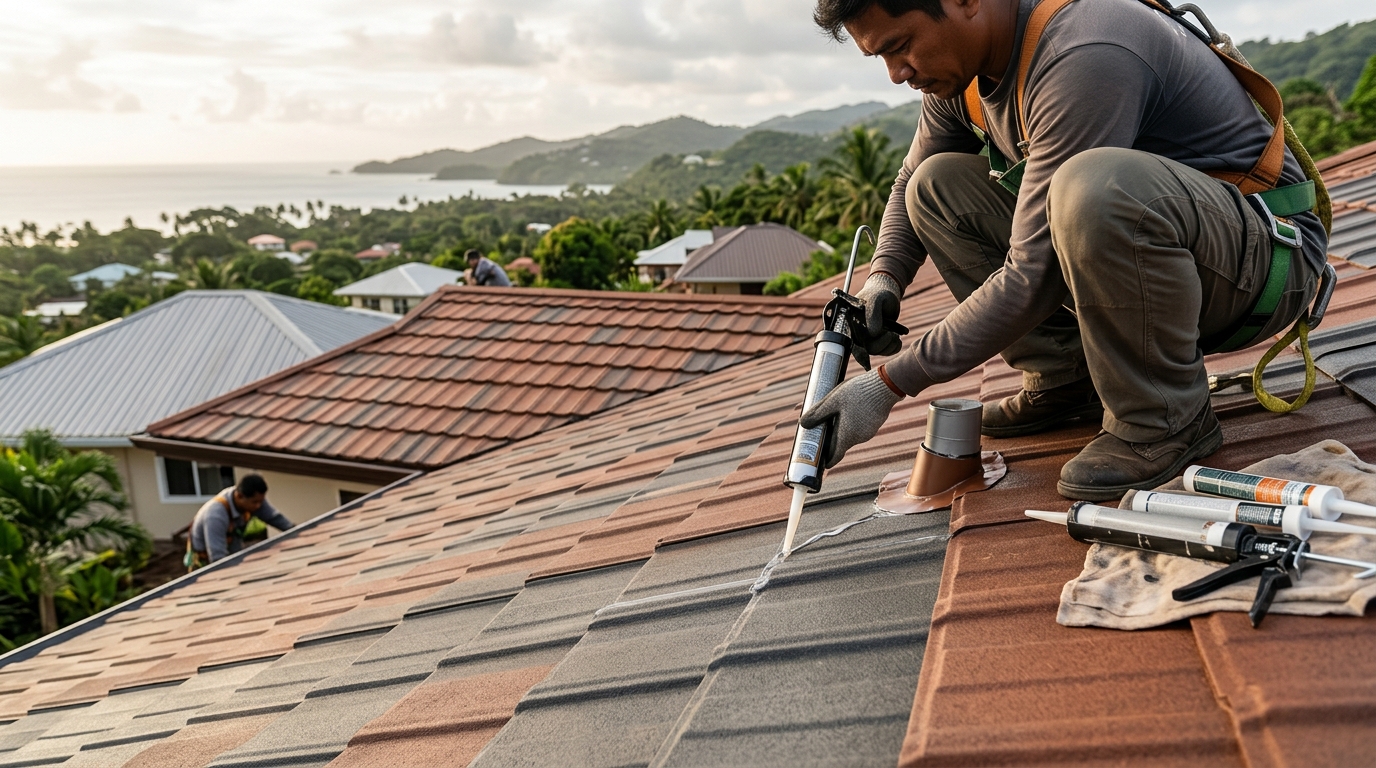
2With the roof clean and dry, you are ready to apply the sealant. Use a high-quality, UV-resistant sealant specifically designed for metal roofing. Polyurethane or silicone-based sealants are often recommended for their flexibility and durability. Apply the sealant to all fastener heads, seams, and any visible gaps using a caulking gun or a brush, depending on the area size.
For IKO Metals and other stone-coated systems, pay special attention to the overlaps between tiles. These areas are prone to water penetration if not properly sealed. Ensure that the sealant is applied evenly and completely covers the fastener heads. Avoid over-application, as excess sealant can drip onto the ground or create an uneven aesthetic. Allow the sealant to cure according to the manufacturer's instructions, which typically ranges from 24 to 48 hours.
Post-Sealing Inspection
After the sealant has cured, conduct a final inspection to ensure that all areas have been adequately covered. Look for any missed spots or uneven applications. If you notice any gaps, apply a second layer of sealant to those specific areas. It is also wise to perform a water test if possible. Use a garden hose to simulate rainfall on the sealed areas and check for any leaks inside the home. This step provides peace of mind and confirms the effectiveness of your work.
Long-Term Maintenance Strategies
Sealing your metal roof is not a one-time fix. Regular maintenance is essential to prevent future leaks and extend the life of your roofing system. Prioritize roof maintenance by scheduling bi-annual inspections, ideally before and after the rainy season. During these inspections, check for loose fasteners, rust, or damage to the stone coating.
Keep gutters and downspouts clear of debris to ensure proper water drainage. Clogged gutters can cause water to back up under the roof edges, leading to leaks. Additionally, trim overhanging tree branches to prevent physical damage to the roof and reduce the accumulation of leaves and debris. By adopting these proactive measures, you can protect your home from the elements and maintain the aesthetic appeal of your roof.
Key Takeaways
- Decra Stone Coated Roofing was invented in 1957 and boasts a lifespan of up to 70 years.
- IKO Shingles offer 20 to 30 years of durability with proper maintenance.
- Tsuruya Japanese Clay Tiles hold a 30% production capacity and market share in Japan.
- Regular inspections can prevent small problems from becoming major leaks.
- Proper surface cleaning is critical for sealant adhesion.
- UV-resistant sealants are essential for longevity in tropical climates.
- Tilcrest Roofing Systems is the official Philippine distributor for Decra, Tsuruya, and IKO Metals.
Frequently Asked Questions
How often should I seal my metal roof?
It is recommended to inspect your metal roof annually and apply sealant as needed, typically every 5 to 10 years, depending on the condition of the existing sealant and exposure to weather elements.
Can I seal my metal roof during the rainy season?
No, you should never seal your metal roof during rain or when the surface is wet. The sealant requires a completely dry surface to adhere properly, and rain can wash away the sealant before it cures.
What type of sealant is best for metal roofs?
High-quality, UV-resistant polyurethane or silicone-based sealants are best for metal roofs. They offer flexibility to accommodate thermal expansion and contraction, ensuring a long-lasting watertight seal.
Do I need to remove rust before sealing?
Yes, it is crucial to remove any rust before applying sealant. Rust can continue to spread under the sealant, causing further damage. Use a wire brush or sandpaper to remove rust, then apply a rust-inhibiting primer before sealing.
How long does it take for sealant to cure?
Most sealants take 24 to 48 hours to cure fully, but this can vary depending on the product and environmental conditions. Always follow the manufacturer's instructions for the specific sealant you are using.
Can I seal metal roof tiles myself?
While it is possible to seal metal roof tiles yourself, it requires careful attention to safety and proper technique. If you are uncomfortable working at heights or unsure about the process, it is advisable to hire a professional roofing contractor.
What are the benefits of using stone-coated metal roofs?
Stone-coated metal roofs offer superior durability, wind resistance, and aesthetic appeal. They are designed to withstand harsh weather conditions and provide a long lifespan, making them a cost-effective investment for homeowners.
Protect Your Home with Premium Roofing Solutions
Sealing your metal roof is a vital step in maintaining the safety and value of your home. By following these steps and prioritizing regular maintenance, you can prevent leaks and extend the life of your roofing system. For premium roofing materials and expert guidance, contact Tilcrest Roofing Systems today. As the official distributor of Decra, Tsuruya, and IKO Metals in the Philippines, we provide the quality and support you need to protect your home for years to come.