
Step-by-Step Guide to Protecting Coastal Asphalt Shingles from Salt and Weather Damage
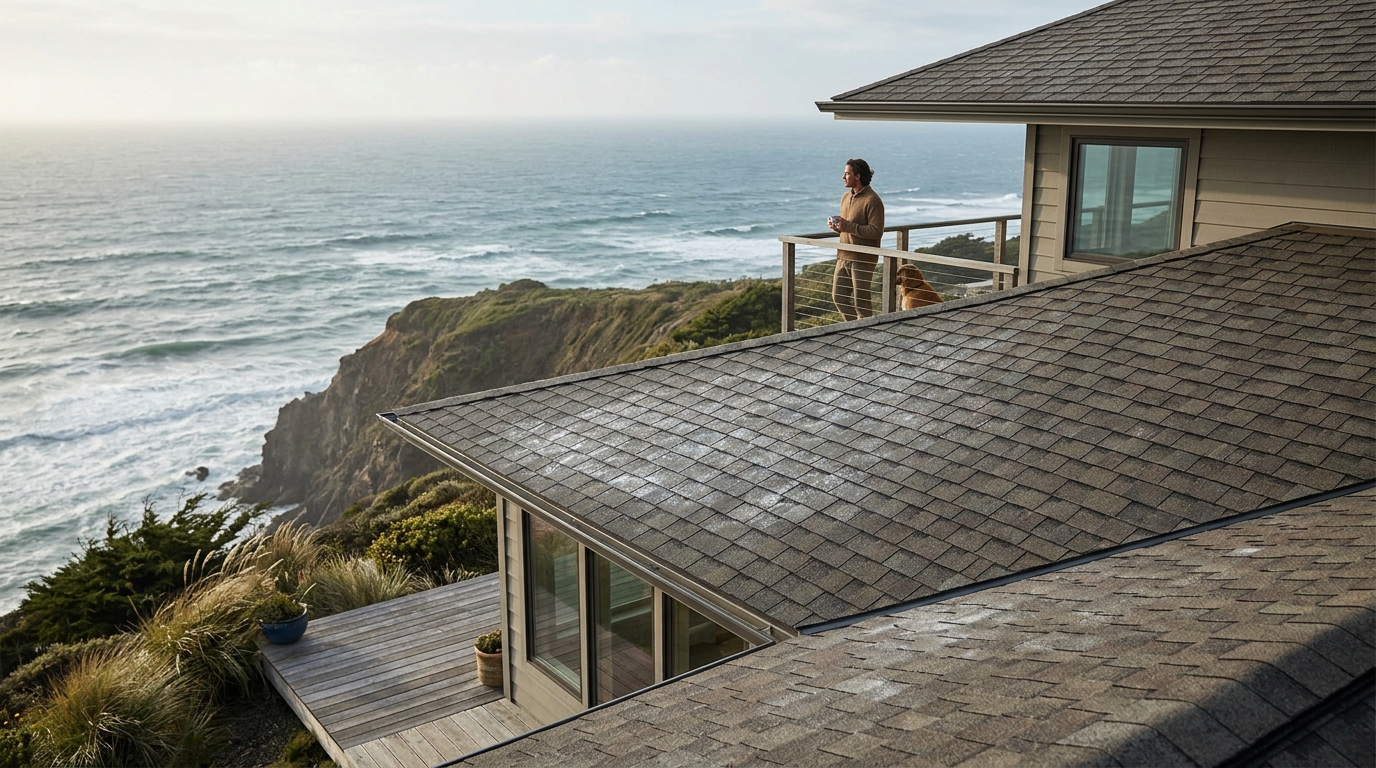
Coastal homes face a unique set of environmental stressors that accelerate the degradation of roofing materials. Salt spray, high humidity, and intense UV exposure work together to break down asphalt shingles faster than inland roofs. According to industry data, coastal roofing systems often require more frequent maintenance and earlier replacement than those in moderate climates. This guide outlines the critical steps to extend the lifespan of your roof and maintain structural integrity.
Understanding Salt Corrosion on Asphalt
Salt air is highly corrosive. It accelerates the oxidation process in asphalt shingles, causing them to become brittle and lose their protective granules. This process, known as salt corrosion, weakens the bond between the shingle layers and the underlying roof deck. Over time, this leads to curling, cracking, and eventual failure of the roofing system.
High humidity further exacerbates the problem by trapping moisture against the roof surface. This creates an environment where algae and moss can thrive, leading to staining and further degradation of the asphalt. Understanding these mechanisms is the first step in protecting your investment.
Selecting Salt-Resistant Shingles
If you are replacing your roof, choosing the right material is crucial. Standard asphalt shingles may not withstand the harsh coastal environment. Instead, opt for high-performance options designed for durability.
IKO Metals and other premium roofing brands offer solutions that resist weather disturbances. For asphalt specifically, look for shingles with advanced granule technology and reinforced fiberglass mats. These features provide better resistance to wind uplift and impact damage, which are common in coastal storms.
Tilcrest Roofing Systems provides access to top-tier international brands. By choosing materials from trusted suppliers, you ensure that your roof is built to last. Visit our premium roofing options page to learn more about the materials we distribute.
Establishing an Inspection Routine
Regular inspections are the most effective way to catch damage early. In coastal areas, you should inspect your roof at least twice a year, ideally in the spring and fall. After major storms, perform an additional check for debris or missing shingles.
Look for the following signs of damage:
- Curling or cupping shingle edges.
- Loss of granules in gutters or downspouts.
- Cracks or splits in the shingle surface.
- Loose or missing flashing around chimneys and vents.
Early detection allows for minor repairs that prevent costly full replacements. For more insights on maintenance, read our article on prioritizing roof maintenance.
Cleaning and Maintenance Protocols
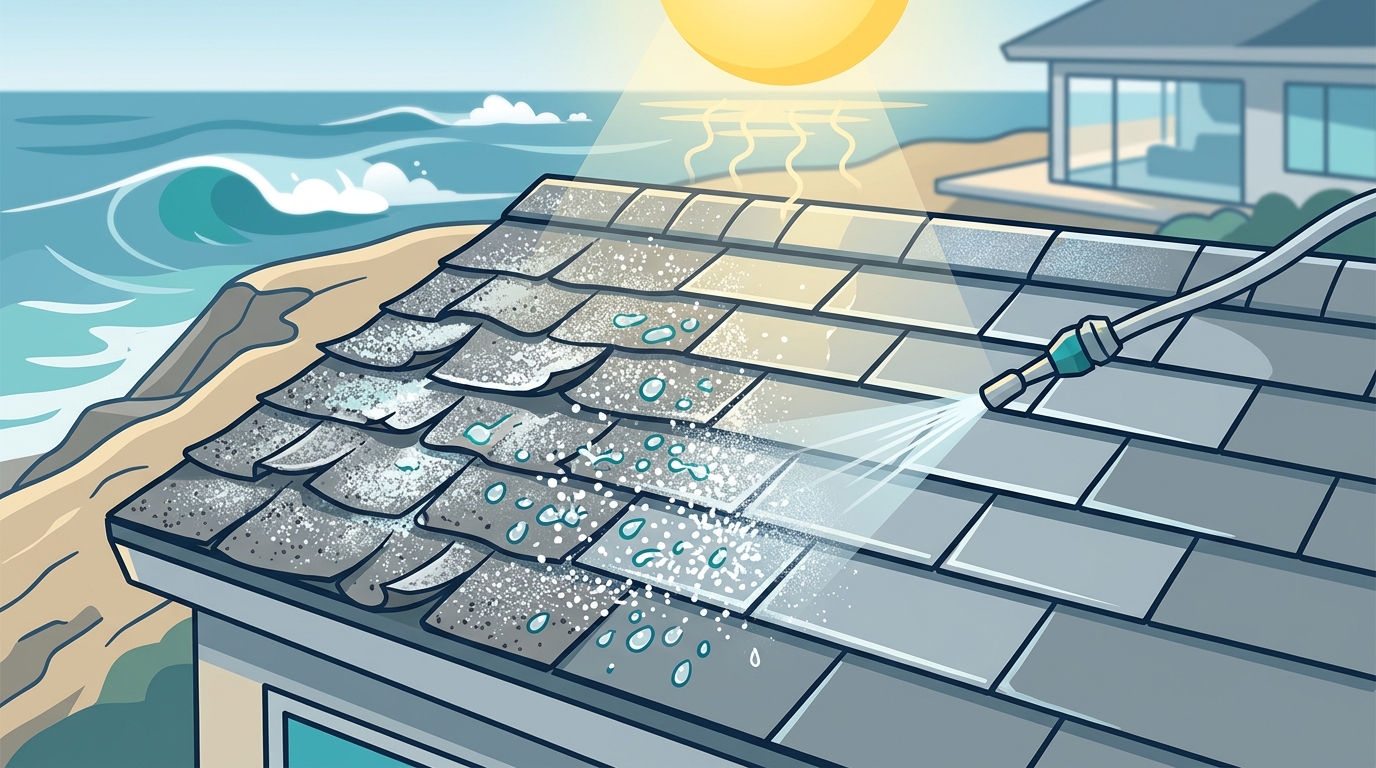
Keeping your roof clean is essential in a coastal environment. Salt buildup can accelerate wear, so regular cleaning is necessary. However, improper cleaning can damage the shingles. Use a soft brush or low-pressure wash to remove salt deposits and debris. Avoid high-pressure washing, which can strip away protective granules.
Trim overhanging branches to prevent physical damage and reduce debris accumulation. This also improves airflow around the roof, helping to dry out moisture faster. Proper maintenance extends the life of your roof and maintains its aesthetic appeal.
Optimizing Ventilation and Insulation
Proper attic ventilation is critical for coastal homes. Poor ventilation can lead to heat buildup in the summer and moisture accumulation in the winter. Both conditions can damage the roof deck and shingles.
Ensure that your attic has adequate intake and exhaust vents. This allows hot air to escape in the summer and prevents ice dams in the winter. Good insulation also helps regulate temperature, reducing the thermal stress on your roofing materials.
Tilcrest Roofing Systems emphasizes performance-forward solutions. Our approach includes ensuring that your roofing system is tailored to local climate challenges. Learn more about our commitment to quality.
When to Call a Professional
While some maintenance tasks can be handled by homeowners, others require professional expertise. If you notice significant damage, such as widespread granule loss or structural sagging, contact a roofing specialist immediately.
Professionals can perform detailed assessments and recommend the best course of action. They have the tools and knowledge to safely inspect and repair your roof. For expert advice, contact Tilcrest Roofing Systems today.
Key Takeaways
- Salt spray accelerates asphalt degradation through oxidation and granule loss.
- High humidity promotes algae growth, which stains and weakens shingles.
- Inspect your roof twice a year and after major storms for early damage detection.
- Choose high-performance shingles like those from IKO Metals for better durability.
- Proper attic ventilation prevents heat buildup and moisture accumulation.
- Regular cleaning removes salt deposits and prevents accelerated wear.
- Professional assessments are crucial for identifying hidden structural issues.
Frequently Asked Questions
How often should I inspect my coastal roof?
You should inspect your roof at least twice a year, in the spring and fall, and after any major storms.
What is the best type of shingle for coastal areas?
High-performance asphalt shingles with advanced granule technology and reinforced fiberglass mats are best. Brands like IKO Metals offer suitable options.
Can salt air damage my roof?
Yes, salt air accelerates the oxidation process, causing shingles to become brittle and lose granules faster than in inland areas.
How do I clean salt deposits from my roof?
Use a soft brush or low-pressure wash to remove salt deposits. Avoid high-pressure washing, which can damage the shingles.
Why is ventilation important for coastal roofs?
Ventilation prevents heat buildup in the summer and moisture accumulation in the winter, both of which can damage the roof deck and shingles.
When should I call a professional for roof repair?
Call a professional if you notice widespread granule loss, structural sagging, or significant leaks that you cannot fix with minor repairs.
Does Tilcrest offer roofing services in coastal areas?
Yes, Tilcrest Roofing Systems provides premium roofing solutions tailored to local climate challenges, including coastal environments.
Secure Your Roof Today
Protecting your coastal home starts with a durable roof. Tilcrest Roofing Systems offers the best roofing brands in the Philippines, including Decra, Tsuruya, and IKO Metals. Our team of experts is ready to help you choose the right materials and maintain your roof for years to come. Contact us to schedule a consultation and secure your home against the elements.