
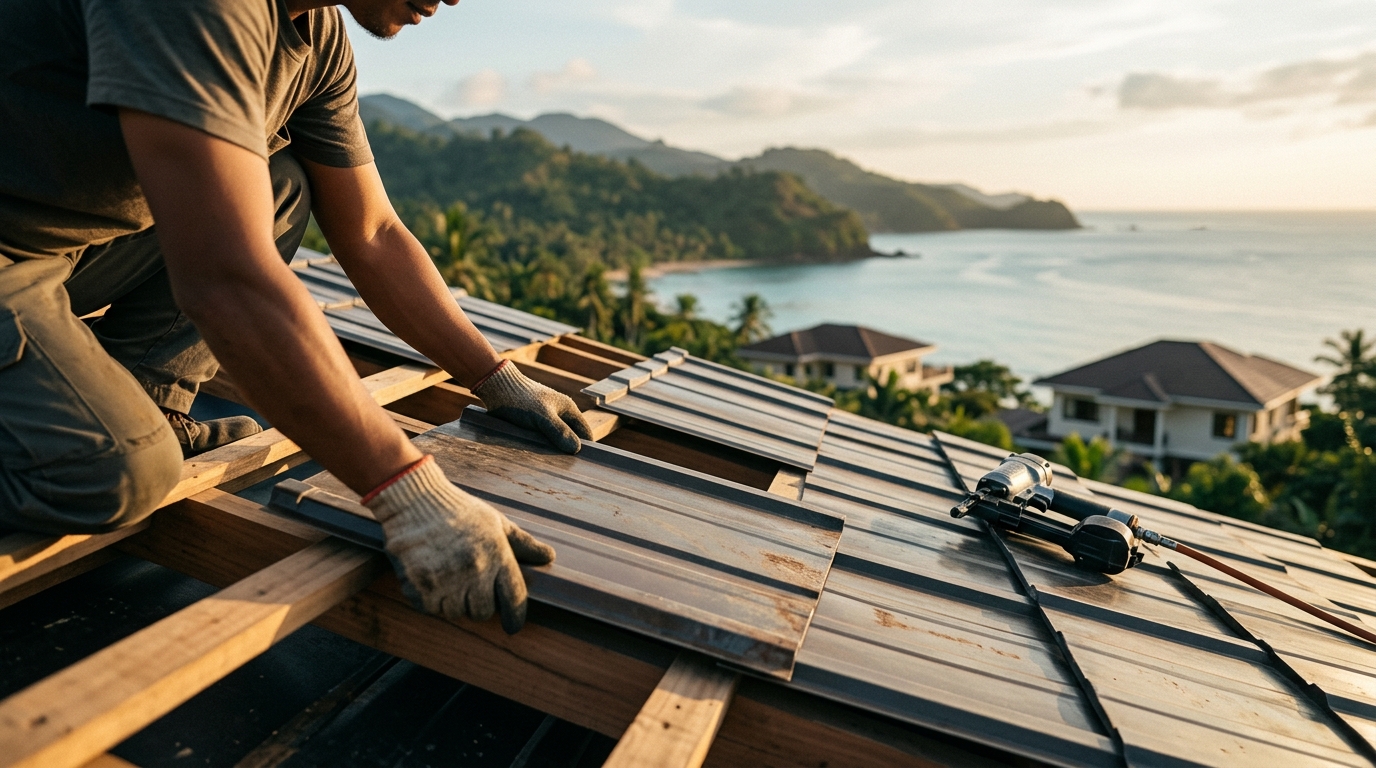
Step-by-Step Guide to Installing Premium Roofing in the Philippines
The roof is the primary shield against the Philippines' unique tropical climate, which features torrential monsoons and intense year-round UV exposure. According to industry data, premium roofing systems can extend a home's structural lifespan by up to 70 years compared to standard materials. This guide outlines the professional installation process for high-performance roofing systems distributed by Tilcrest Roofing Systems.
Phase 1: Structural Assessment and Material Selection
Before any physical work begins, a thorough evaluation of the existing roof deck is mandatory. The structural integrity of the rafters and trusses must support the specific weight of the chosen material. For instance, Tsuruya Japanese Clay Tiles are heavy and require reinforced framing, whereas Decra Stone Coated Steel is lightweight yet exceptionally strong.
Selecting the right material depends on your aesthetic goals and budget. Tilcrest Roofing Systems offers a portfolio that includes Decra, IKO Metals, and Tsuruya. Each brand provides distinct benefits. Decra offers a 70-year lifespan with Class A fire resistance. IKO shingles provide versatility for vertical applications. Tsuruya delivers authentic Japanese craftsmanship for traditional aesthetics.
Phase 2: Site Preparation and Safety Protocols
Safety is the cornerstone of any roofing project. Professional installers must utilize harnesses, non-slip footwear, and secure anchor points. The existing roof covering must be removed if it is damaged or incompatible with the new system. This step reveals the condition of the underlying wood structure.
Inspect the roof deck for rot, warping, or insect damage. Replace any compromised plywood or OSB sheets. A clean, solid deck ensures that the new roofing system performs as engineered. Skipping this step can lead to premature failure of the entire installation.
Phase 3: Underlayment and Weatherproofing
The underlayment acts as the secondary water barrier. In the Philippines, where humidity and rain are constant, a high-quality synthetic underlayment is preferred over traditional asphalt-saturated felt. It provides superior tear resistance and slip resistance during installation.
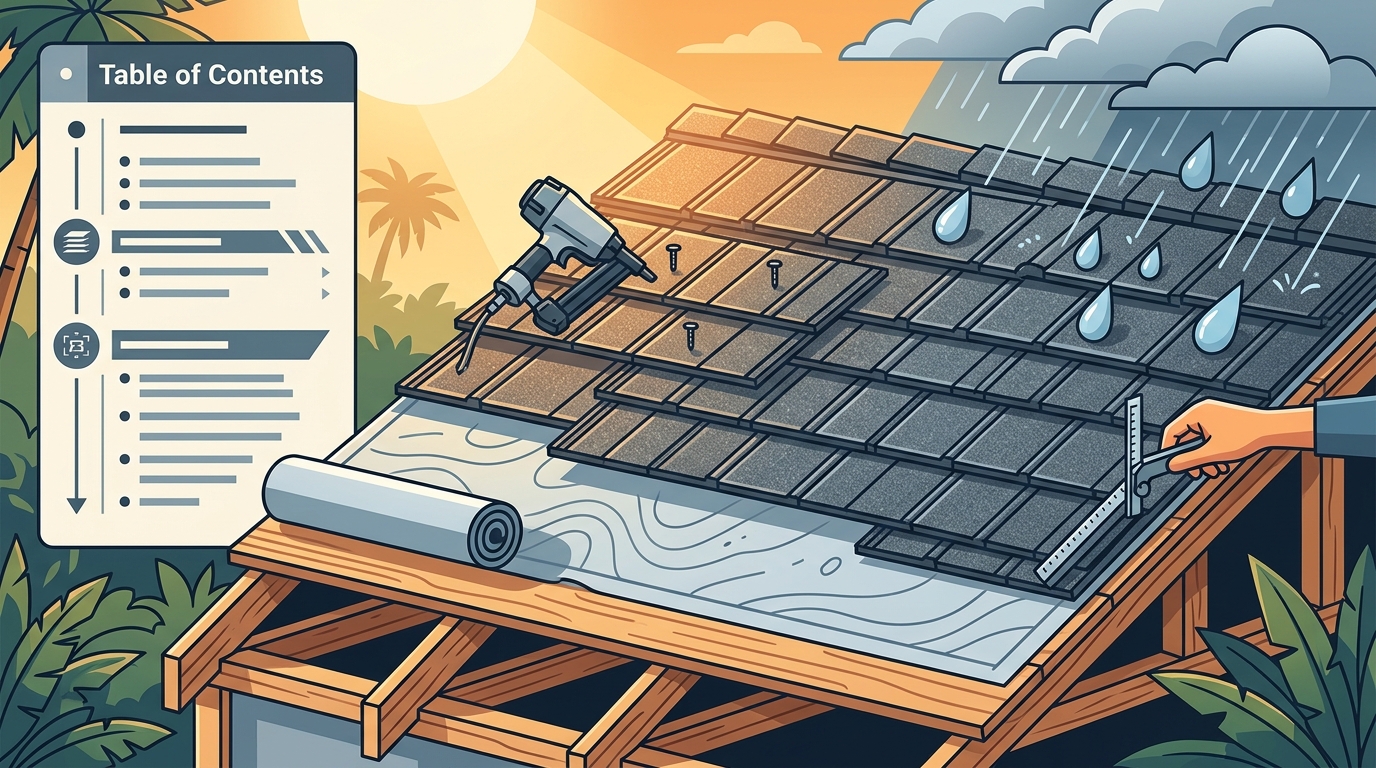
Begin rolling out the underlayment from the eaves upward. Overlap each row by at least six inches to prevent water infiltration. Secure the underlayment with cap nails or staples at specified intervals. This layer protects the deck during the installation process and provides an extra line of defense against wind-driven rain.
Phase 4: Installing Stone-Coated or Clay Tiles
The installation method varies significantly by material type. For Decra stone-coated steel, the process involves interlocking panels. Each panel clips onto the previous one, creating a continuous, wind-resistant surface. The stone granules on the surface provide UV protection and aesthetic depth.
For Tsuruya clay tiles, the installation is more labor-intensive. Each tile is individually placed and secured with nails or clips. The tiles interlock to form a tight seal. Proper alignment is critical to ensure water flows off the roof efficiently without pooling. IKO shingles are installed in overlapping rows, starting from the bottom corner and working upward.
| Material Type | Installation Method | Key Benefit | Lifespan |
|---|---|---|---|
| Decra Steel | Interlocking Panels | Wind Resistance | 70+ Years |
| Tsuruya Clay | Individual Tile Placement | Aesthetic Authenticity | 50+ Years |
| IKO Shingles | Overlapping Rows | Cost Efficiency | 20-30 Years |
Phase 5: Flashing, Ventilation, and Final Inspection
Flashing is installed around penetrations such as chimneys, vents, and skylights. This metal component directs water away from vulnerable joints. Use corrosion-resistant flashing materials to match the roofing system. Proper flashing prevents leaks, which are the most common cause of roof failure.
Ventilation is equally important. Ridge vents, soffit vents, and turbine vents work together to regulate attic temperature. In the Philippines, proper ventilation reduces heat buildup, lowering cooling costs and preventing moisture accumulation. A final inspection ensures all fasteners are secure and all seams are tight.
Phase 6: Long-Term Maintenance Strategies
Even the best roofing systems require maintenance. Regular inspections should be conducted after major storms. Clear debris from gutters and valleys to prevent water damming. Trim overhanging branches to avoid physical damage to the roof surface.
Understanding roofing warranty terms is crucial for long-term protection. Most premium manufacturers offer warranties that cover material defects and wind resistance. Keep records of all maintenance and repairs to validate warranty claims. Tilcrest Roofing Systems provides ongoing support to ensure your investment lasts.
Key Takeaways
- Premium roofing materials like Decra offer a lifespan of up to 70 years, significantly outlasting standard asphalt shingles.
- Structural assessment is the first critical step to ensure the roof deck can support the weight of materials like Tsuruya clay tiles.
- High-quality synthetic underlayment is essential for secondary water protection in the Philippines' humid climate.
- Proper ventilation reduces attic heat buildup, which can lower cooling costs by up to 20% in tropical regions.
- Flashing around penetrations is the most common point of failure if not installed correctly during the initial build.
- Tilcrest Roofing Systems is the official distributor for Decra, IKO, and Tsuruya in the Philippines.
- Regular maintenance after typhoon season prevents minor issues from becoming major structural leaks.
Frequently Asked Questions
How long does it take to install a Decra stone-coated roof?
Installation time varies by roof size and complexity. A standard residential roof can typically be completed in three to five days by a professional crew. The interlocking panel system allows for faster installation compared to individual tile placement.
What is the difference between Decra and IKO shingles?
Decra is a stone-coated steel system known for its wind resistance and 70-year lifespan. IKO shingles are asphalt-based, offering a more traditional look and lower upfront cost, with a lifespan of 20 to 30 years. Decra is generally more durable in extreme weather conditions.
Can I install premium roofing over my existing roof?
It is generally recommended to remove the old roofing material to inspect the deck for damage. Installing over multiple layers can void warranties and add excessive weight to the structure. A clean deck ensures the new system performs as intended.
How do I maintain Tsuruya clay tiles?
Tsuruya clay tiles are low maintenance but require periodic inspection of the underlayment and fasteners. Clear debris from the valleys and ensure gutters are clean. The tiles themselves are durable and resistant to fading and cracking.
What warranty does Tilcrest offer?
Tilcrest Roofing Systems facilitates warranties from the original manufacturers. Decra offers a lifetime warranty on the steel base and a long-term warranty on the stone coating. IKO and Tsuruya have their respective manufacturer warranties. Consult Tilcrest Contact Us for specific warranty details.
Ready to Protect Your Home?
Investing in premium roofing is an investment in your family's safety and comfort. Do not compromise on quality. Contact Tilcrest Roofing Systems today to schedule a consultation and discover the perfect roofing solution for your home.