
Cost-Benefit Analysis of Premium Typhoon-Resistant Roofing Materials in the Philippines
The Philippines ranks among the most typhoon-prone nations globally, with an average of 20 tropical cyclones entering the country's area of responsibility annually. According to data from the Philippine Atmospheric, Geophysical and Astronomical Services Administration (PAGASA), these storms frequently bring wind speeds exceeding 185 kilometers per hour, causing catastrophic damage to residential and commercial structures. This environmental reality makes the selection of roofing materials not merely an aesthetic choice, but a critical financial and safety decision for property owners. The cost-benefit analysis of premium typhoon-resistant roofing reveals that while initial investments are higher, the long-term savings in repair costs, energy efficiency, and property value retention significantly outweigh the upfront expenses. (Contact Us Tilcrest)
Understanding Typhoon Impact on Roofing Structures
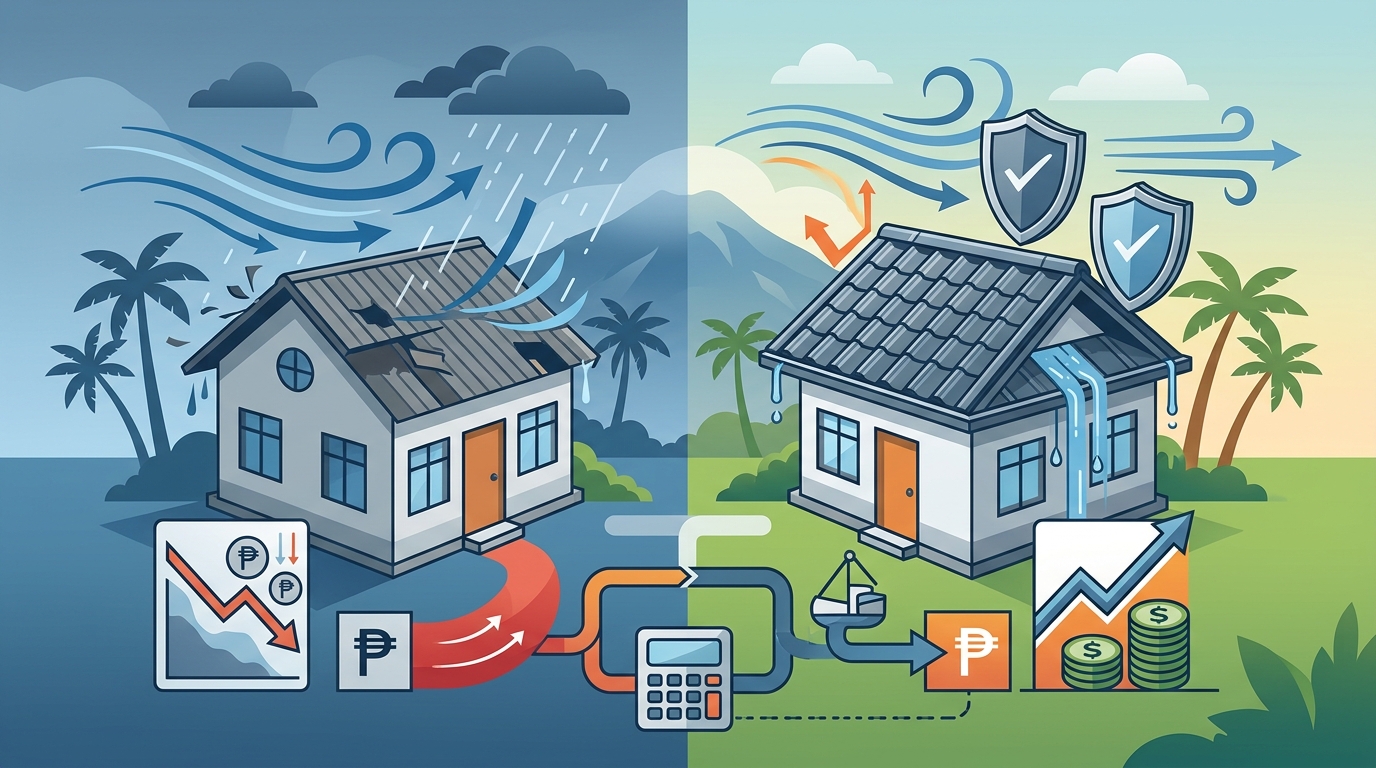
Roof failure during typhoons is rarely caused by wind pressure alone. The primary mechanism of damage is uplift pressure, where wind flows over the roof surface, creating a vacuum effect that pulls the roofing materials upward. When this force exceeds the fastening capacity of the material, sheets are torn off, leading to water intrusion and structural collapse. In the Philippines, the combination of high winds and torrential rainfall accelerates this degradation process, making standard materials insufficient for long-term durability.
Traditional asphalt shingles or basic corrugated metal sheets often fail to meet the rigorous standards required for typhoon-resistant construction. These materials lack the tensile strength and wind uplift resistance needed to withstand Category 4 and 5 storms. Consequently, homeowners face repeated repair cycles, which accumulate costs far exceeding the price difference between standard and premium roofing solutions. Investing in materials engineered for high-wind environments is a proactive financial strategy that mitigates the risk of catastrophic loss.
Premium Materials: Decra, IKO, and Tsuruya
Tilcrest Roofing Systems offers a curated portfolio of international roofing brands that address the specific climatic challenges of the Philippines. The three primary premium options are Decra Stone-Coated Steel, IKO Shingles, and Tsuruya Japanese Clay Tiles. Each material utilizes distinct engineering principles to achieve typhoon resistance, offering different aesthetic and financial profiles for property owners to consider.
Decra is recognized as the pioneer of stone-coated steel roofing, invented in 1957. Its design combines the strength of steel with the aesthetic appeal of traditional tiles. IKO Shingles provide a versatile, high-performance asphalt solution with over 50 years of expertise in bitumen technology. Tsuruya Japanese Clay Tiles bring centuries of craftsmanship, utilizing firing techniques that create dense, durable tiles capable of withstanding harsh environmental conditions. Understanding the specific cost-benefit dynamics of each is essential for making an informed investment.
Cost-Benefit Analysis: Decra Stone-Coated Steel
Decra stone-coated roofing represents a high-initial-cost, high-return investment. The material is composed of an acrylic primer, a steel core, and an aluminum-zinc alloy coating, topped with glazed stone granules. This multi-layered construction provides exceptional wind uplift resistance, often rated for wind speeds up to 250 kilometers per hour. The stone granules not only enhance durability but also provide Class A fire resistance, a critical feature in densely populated urban areas.
The lifespan of Decra roofing is estimated at up to 70 years, effectively making it a lifetime solution. When analyzing the cost-benefit ratio, the amortization of the initial cost over seven decades results in a negligible annual expense. Furthermore, the material's reflective properties can reduce cooling costs by up to 15% in the tropical climate, offering ongoing energy savings. The warranty coverage provided by Tilcrest, the official Philippine distributor, adds another layer of financial security, protecting the homeowner against manufacturing defects and premature weathering.
Cost-Benefit Analysis: IKO Asphalt Shingles
IKO Shingles offer a more accessible entry point into premium roofing while maintaining high performance standards. With over 50 years of expertise in bitumen technology, IKO produces shingles that are robust enough to handle tropical weather disturbances. The material's versatility allows for installation on various roof pitches, making it suitable for a wide range of architectural styles.
The lifespan of IKO Shingles typically ranges from 20 to 30 years with proper maintenance. While this is shorter than Decra or Tsuruya, the lower upfront cost makes it a compelling option for budget-conscious homeowners who still require reliable protection. The cost-benefit analysis here focuses on the balance between initial affordability and mid-term replacement needs. IKO shingles also offer a wide range of styles and colors, allowing homeowners to achieve a premium look without the premium price tag of stone-coated steel or clay tiles. Their resistance to wind uplift is engineered to meet modern building codes, ensuring safety during typhoon season.
Cost-Benefit Analysis: Tsuruya Japanese Clay Tiles
Tsuruya Japanese Clay Tiles represent the pinnacle of traditional roofing craftsmanship. Crafted through a specialized firing process, these tiles are dense, heavy, and incredibly durable. They are designed to cater to harsh environmental conditions, offering superior resistance to heat, moisture, and wind. Tsuruya holds a significant market share in Japan, where architectural standards are among the highest in the world, validating the material's performance capabilities.
The cost-benefit analysis for Tsuruya tiles highlights their longevity and aesthetic value. With a lifespan that can exceed 50 years, these tiles are a permanent fixture for many homes. The heavy nature of clay tiles provides excellent stability against wind uplift, as the mass of the tiles resists lifting forces. Additionally, the thermal mass of clay helps regulate indoor temperatures, reducing the load on air conditioning systems. While the installation cost is higher due to the weight and specialized labor required, the long-term retention of property value and minimal maintenance needs justify the investment.
Comparative Financial Overview
The following table summarizes the key financial and performance metrics for the three premium roofing options available through Tilcrest. This comparison aids in visualizing the trade-offs between initial cost, lifespan, and performance characteristics.
| Material | Estimated Lifespan | Wind Resistance | Upfront Cost Tier | Primary Benefit |
|---|---|---|---|---|
| Decra Stone-Coated Steel | Up to 70 years | Up to 250 km/h | High | Maximum durability and fire resistance |
| IKO Shingles | 20 to 30 years | High (Code Compliant) | Medium | Cost-effective versatility |
| Tsuruya Clay Tiles | 50+ years | Excellent (Mass-Based) | Very High | Aesthetic prestige and thermal regulation |
Key Takeaways
- Decra's Legacy: Decra invented stone-coated roofing in 1957, establishing a 65+ year legacy of innovation in roofing technology.
- IKO's Expertise: IKO brings more than 50 years of expertise in bitumen roof shingles, ensuring robust protection against weather disturbances.
- Tsuruya's Market Share: Tsuruya attributes a total of 30% production capacity and market share in Japan, highlighting its dominance in high-standard markets.
- Decra's Lifespan: Decra stone-coated roofs boast a lifespan of up to 70 years, offering a lifetime solution for homeowners.
- IKO's Durability: With proper installation and maintenance, IKO Shingles can last between 20 to 30 years, providing reliable mid-term protection.
- Tilcrest's Role: Tilcrest Roofing Systems is the official Philippine distributor for these premium brands, ensuring authentic product supply and support.
- Typhoon Preparedness: Premium roofing materials are essential for withstanding the Philippines' average of 20 tropical cyclones per year.
Frequently Asked Questions
Which roofing material is best for typhoon resistance?
Decra Stone-Coated Steel is widely regarded as one of the best options for typhoon resistance due to its high wind uplift rating and strong fastening system. Its steel core provides tensile strength that resists tearing, while the stone coating adds durability against impact.
How does the cost of premium roofing compare to standard materials?
Premium roofing materials like Decra, IKO, and Tsuruya have higher upfront costs compared to standard corrugated metal or basic asphalt shingles. However, their extended lifespans and reduced maintenance requirements result in lower total cost of ownership over time.
Is IKO Shingles suitable for the Philippine climate?
Yes, IKO Shingles are suitable for the Philippine climate. They are engineered to withstand tropical weather disturbances, including high winds and heavy rain, while offering a wide range of aesthetic options for residential and commercial buildings.
What is the lifespan of Tsuruya Japanese Clay Tiles?
Tsuruya Japanese Clay Tiles have a lifespan that can exceed 50 years. Their dense, fired clay construction makes them highly resistant to weathering, ensuring long-term performance in harsh environmental conditions.
Why is professional installation important for premium roofing?
Professional installation is critical because premium materials often require specific fastening techniques and underlayment systems to achieve their rated performance. Improper installation can void warranties and compromise the roof's ability to withstand typhoon-force winds.
Does Tilcrest offer warranties for these roofing materials?
Yes, Tilcrest Roofing Systems provides warranty coverage for the materials they distribute. Warranties typically cover manufacturing defects and, in some cases, weathering performance, providing homeowners with peace of mind and financial protection.
Can premium roofing materials reduce energy bills?
Yes, materials like Decra and Tsuruya have reflective properties or thermal mass that can help regulate indoor temperatures. This reduces the load on air conditioning systems, potentially lowering energy bills by up to 15% in tropical climates.
Secure Your Home Today
Protecting your home from the Philippines' harsh typhoon season requires more than just hope; it requires engineering and quality materials. Tilcrest Roofing Systems is committed to providing high-quality roofing through brands trusted for more than 80 years. From the strength of Decra to the versatility of IKO and the craftsmanship of Tsuruya, we offer solutions that ensure safety and security all year long. Do not wait for the next storm to test your roof's integrity. Contact Tilcrest today to schedule a consultation and discover the best roofing solution for your property.