
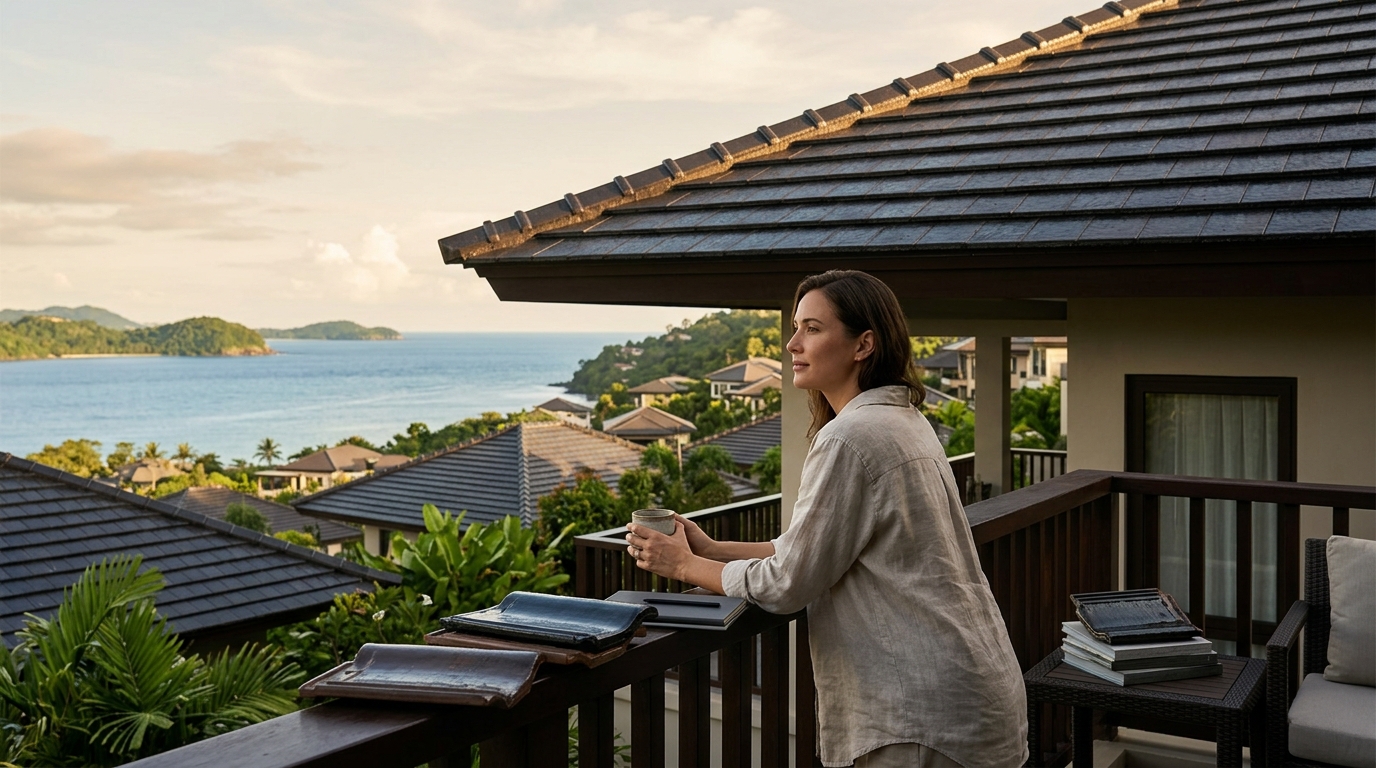
Clay Roof Tiles for Coastal and Humid Climates in the Philippines
Tilcrest supplies Tsuruya clay roof tiles, a brand specifically engineered for the Philippines' coastal and humid environments. These tiles feature low water absorption and high durability, making them ideal for regions prone to typhoons and high humidity. This guide explores how Tsuruya performs in tropical conditions, its resistance to moisture, and its long-term structural integrity. We will examine the technical specifications that make this brand a top choice for Filipino homeowners and builders seeking reliable roofing solutions.
Tsuruya Clay Tiles Overview
Tsuruya is a premium clay roof tile brand distributed by Tilcrest in the Philippines. The brand is known for its traditional aesthetic and modern engineering capabilities. Clay tiles are fired at high temperatures, creating a dense, hard surface that resists weathering. This manufacturing process ensures that the tiles maintain their color and shape over decades of use. Tilcrest positions Tsuruya as a legacy brand that balances traditional craftsmanship with contemporary performance standards.
Brand Heritage and Distribution
Tilcrest brings world-class roofing to the Philippines through its global portfolio. The company has decades of experience in the roofing industry. Tsuruya tiles are part of this trusted lineup, offering a reliable option for residential and commercial projects. The brand's presence in the local market ensures that customers have access to high-quality materials and expert support. This local availability is crucial for timely project completion and maintenance.
Material Composition
The tiles are made from natural clay, a material known for its longevity. Unlike synthetic alternatives, clay tiles do not degrade under UV exposure. The natural composition allows the tiles to breathe, which helps regulate moisture within the roof structure. This characteristic is particularly beneficial in the Philippine climate, where humidity levels fluctuate significantly throughout the year.
Coastal Climate Performance
Coastal areas in the Philippines face unique challenges, including salt spray, strong winds, and intense sunlight. Tsuruya clay tiles are designed to withstand these harsh conditions. The dense firing process creates a surface that resists salt corrosion. This resistance is vital for homes located near the sea, where salt air can accelerate the degradation of roofing materials. The tiles maintain their structural integrity even when exposed to constant marine air.
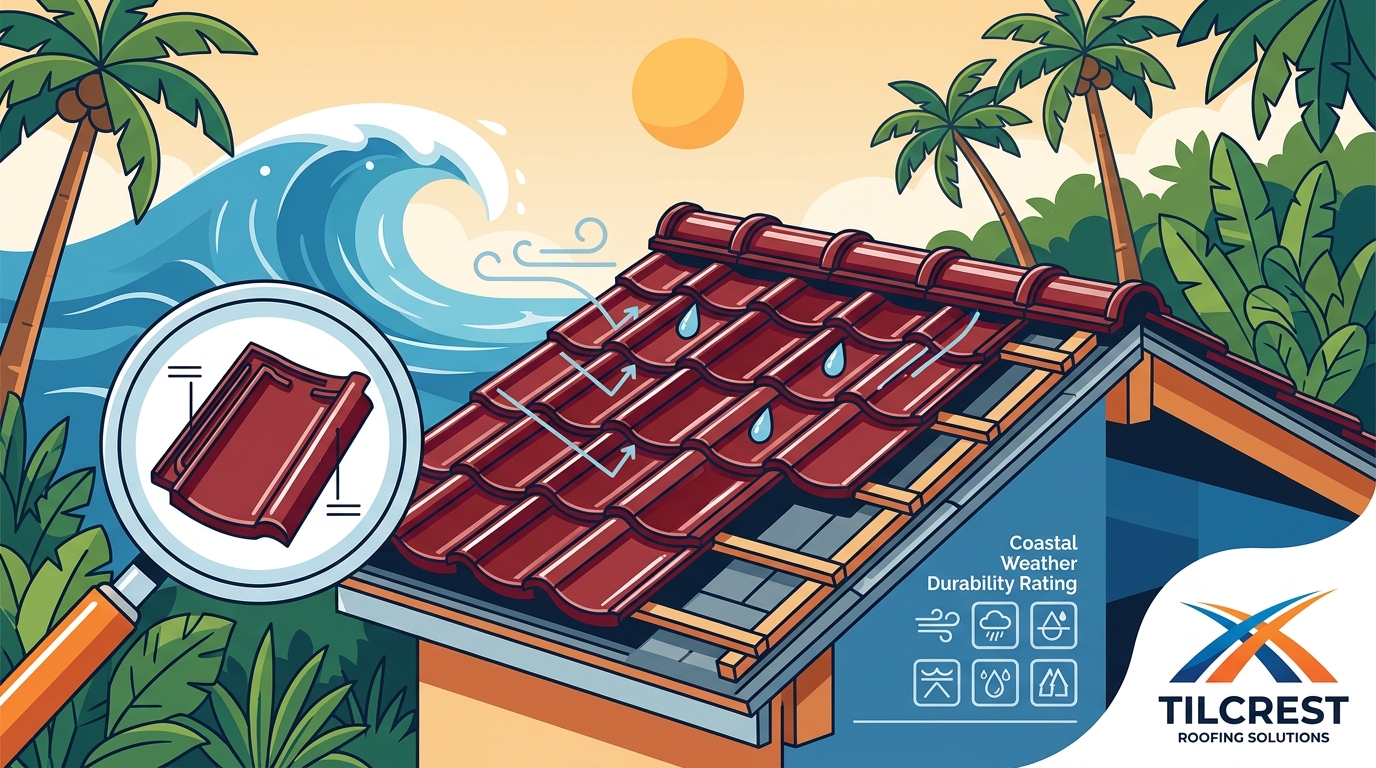
Wind Resistance
Salt Spray Resistance
Salt spray can cause pitting and discoloration on many roofing materials. Tsuruya tiles are resistant to these effects due to their low porosity. The surface does not absorb salt particles, preventing long-term damage. This feature ensures that the tiles retain their aesthetic appeal and protective function. Homeowners in coastal areas can expect their roofs to look and perform well for many years.
Tropical Humidity Resistance
Moisture Barrier Function
The dense nature of fired clay acts as an effective moisture barrier. Water cannot easily penetrate the tile body, preventing internal moisture buildup. This is critical in humid climates where condensation can form on the underside of the roof. By blocking moisture, Tsuruya tiles help preserve the integrity of the roof deck and insulation. This contributes to better energy efficiency and indoor comfort.
Biological Resistance
Clay tiles are naturally resistant to mold and mildew. The alkaline nature of the clay surface inhibits the growth of these organisms. This is a significant advantage over organic roofing materials that can be susceptible to biological decay. Homeowners can enjoy a cleaner roof with less maintenance. The tiles remain free from unsightly stains and biological growth, even in high-humidity conditions.
Humid Climate Durability
Durability in humid climates requires materials that can withstand repeated cycles of wetting and drying. Tsuruya clay tiles excel in this regard. The material does not swell or shrink significantly with moisture changes. This dimensional stability prevents cracking and warping over time. The tiles maintain their structural strength regardless of the humidity level. This reliability is essential for long-term roofing performance.
Dimensional Stability
Many roofing materials expand and contract with temperature and moisture changes. This movement can lead to stress and eventual failure. Tsuruya tiles exhibit minimal dimensional change, ensuring a stable roof surface. This stability reduces the likelihood of gaps forming between tiles. As a result, the roof remains watertight and secure. This feature is particularly important in the Philippines, where humidity levels can vary widely.
Long-Term Structural Integrity
The structural integrity of Tsuruya tiles is maintained over decades of use. The material does not degrade or weaken due to humidity exposure. This long-term performance makes clay tiles a cost-effective choice over the life of the building. Homeowners can expect their roofs to require minimal repairs or replacements. This durability provides peace of mind and protects the investment in the property.
Coastal Climate Durability
Coastal durability combines resistance to salt, wind, and humidity. Tsuruya tiles are engineered to handle all these factors simultaneously. The material's density and firing process create a robust surface that endures marine environments. This comprehensive resistance ensures that the tiles perform well in the most challenging coastal locations. The tiles do not suffer from accelerated wear due to the combination of salt and moisture.
Marine Environment Resilience
Marine environments are corrosive to many materials. Tsuruya tiles are resilient to this corrosion. The surface remains intact and functional even after years of exposure to salt air. This resilience is a key factor in the tiles' suitability for coastal homes. It ensures that the roof continues to protect the building effectively. Homeowners in coastal areas can rely on Tsuruya tiles for long-term protection.
Weathering Resistance
Weathering is a natural process that affects all outdoor materials. Tsuruya tiles resist weathering due to their dense composition. The surface does not erode or fade significantly over time. This resistance ensures that the tiles maintain their appearance and protective qualities. The tiles remain a reliable barrier against the elements, regardless of the weather conditions they face.
Low Water Absorption
Low water absorption is a critical specification for roofing tiles in humid and coastal climates. Tsuruya clay tiles have a very low water absorption rate. This means that the tiles do not take in significant amounts of water. This property is essential for preventing internal moisture damage and freeze-thaw cycles, although the latter is less relevant in the Philippines. The low absorption rate ensures that the tiles remain dry and stable.
Technical Specifications
The water absorption rate of Tsuruya tiles is a key performance indicator. A low rate indicates a dense, well-fired tile. This density contributes to the tile's overall strength and durability. The specification is a measure of the tile's quality and suitability for wet environments. Homeowners and builders can use this data to make informed decisions about their roofing materials.
Impact on Roof Performance
Low water absorption directly impacts roof performance. It prevents water from penetrating the tile and reaching the roof deck. This protection is crucial for maintaining the structural integrity of the roof. It also helps prevent leaks and water damage inside the building. The tiles' low absorption rate ensures that they perform reliably in heavy rain and high humidity.
Key Takeaways
- Tsuruya is a premium clay tile brand distributed by Tilcrest in the Philippines.
- Tsuruya tiles resist salt spray, wind, and biological growth.
- Proper installation is essential for maximizing wind resistance.
- Tilcrest provides expert support for Tsuruya tile projects.
Frequently Asked Questions
What is Tsuruya clay tile?
Tsuruya clay tile is a premium roofing material made from natural clay and fired at high temperatures. It is distributed by Tilcrest in the Philippines and is known for its durability and resistance to harsh weather conditions.
Are Tsuruya tiles suitable for coastal areas?
How do Tsuruya tiles handle high humidity?
Tsuruya tiles have low water absorption, which prevents moisture buildup. This property helps maintain the structural integrity of the roof in high-humidity environments.
What is the water absorption rate of Tsuruya tiles?
Tsuruya tiles have a very low water absorption rate, indicating a dense and well-fired material. This low rate contributes to their durability and resistance to moisture damage.
Do Tsuruya tiles resist mold and mildew?
Yes, the alkaline nature of the clay surface inhibits the growth of mold and mildew. This makes Tsuruya tiles a hygienic choice for roofing in tropical climates.
How long do Tsuruya tiles last?
Tsuruya tiles are designed to last for decades. Their durability and resistance to weathering ensure long-term performance with minimal maintenance.
Where can I buy Tsuruya tiles in the Philippines?
You can purchase Tsuruya tiles through Tilcrest, a leading provider of high-quality roofing solutions in the Philippines. Tilcrest offers a wide range of roofing options and expert support.
Are Tsuruya tiles energy efficient?
Clay tiles can contribute to energy efficiency by providing insulation and reflecting heat. Their thermal mass helps regulate indoor temperatures, reducing the need for air conditioning. Learn more: Homepage Tilcrest.