
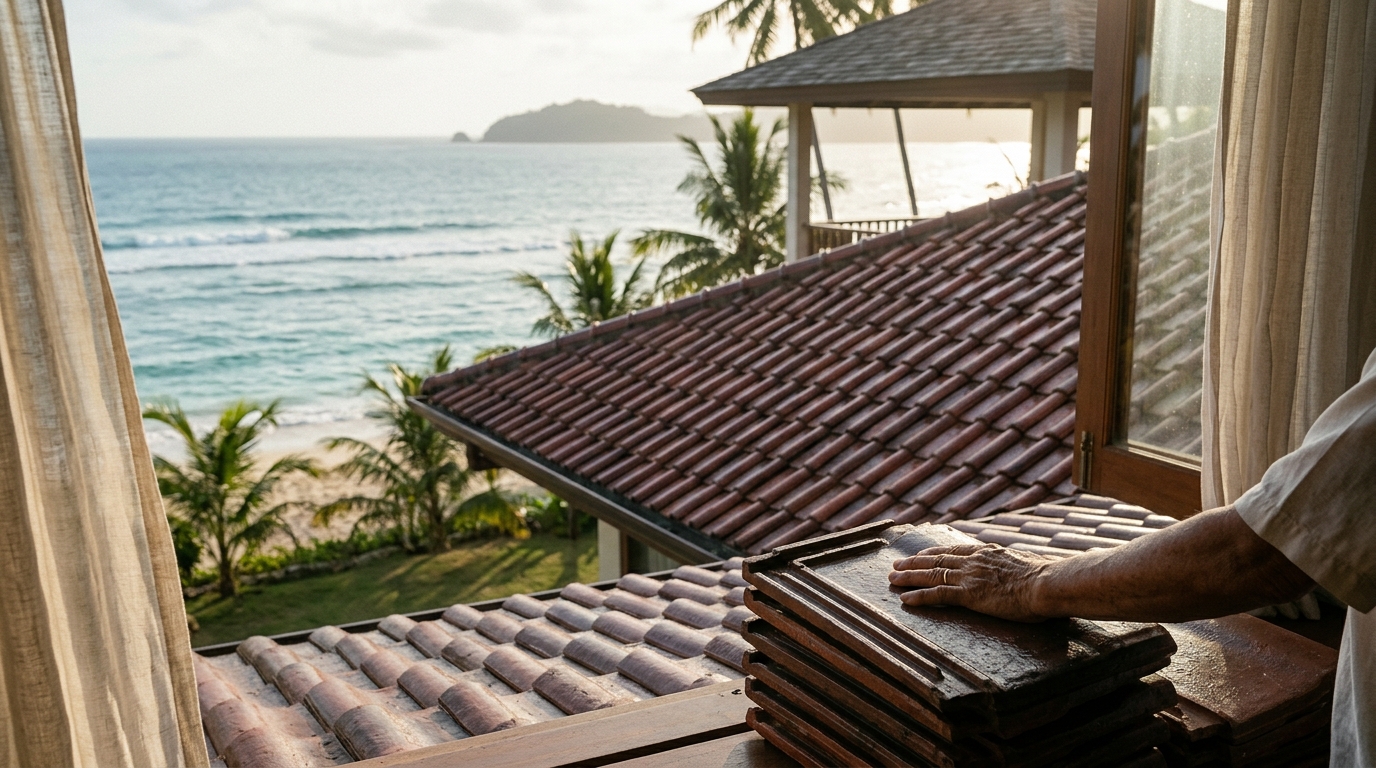
Clay Roof Tiles for Coastal and Humid Climates in the Philippines
Tilcrest supplies Tsuruya clay roof tiles, a brand specifically engineered to withstand the severe weather conditions of the Philippines. These tiles are designed to handle high humidity, salt air, and intense tropical heat without degrading. This guide covers the technical specifications of Tsuruya, its performance in coastal zones, and its resistance to tropical moisture. It also provides a comparison of roofing options to help you make an informed decision for your property. For additional details, review the .
Tsuruya Clay Tiles: The Brand
Manufacturing and Quality Standards
The production of Tsuruya tiles involves selecting specific clay deposits that provide the necessary strength and color consistency. The tiles are fired at high temperatures, which vitrifies the surface and reduces porosity. This process is critical for creating a tile that is both durable and resistant to water absorption. Tilcrest ensures that all Tsuruya products meet strict quality control standards before they reach the market. For additional details, review the Customer Experience.
Design and Aesthetics
Tsuruya offers a range of profiles and colors that suit various architectural styles, from traditional Japanese-inspired designs to modern residential structures. The aesthetic versatility of the brand allows homeowners and builders to achieve a distinctive look. The tiles are designed to interlock securely, providing a seamless roof surface that enhances both beauty and protection. For additional details, review the Frequently Asked Questions.
Coastal Climate Performance
Coastal areas in the Philippines are exposed to salt-laden winds, high humidity, and frequent typhoons. These conditions can be harsh on roofing materials, leading to corrosion, erosion, and structural weakening. Tsuruya clay tiles are designed to perform reliably in these environments. The non-porous surface of the fired clay resists the corrosive effects of salt spray, which is a common issue with metal roofing in coastal zones. For additional details, review the About.
Wind and Typhoon Resistance
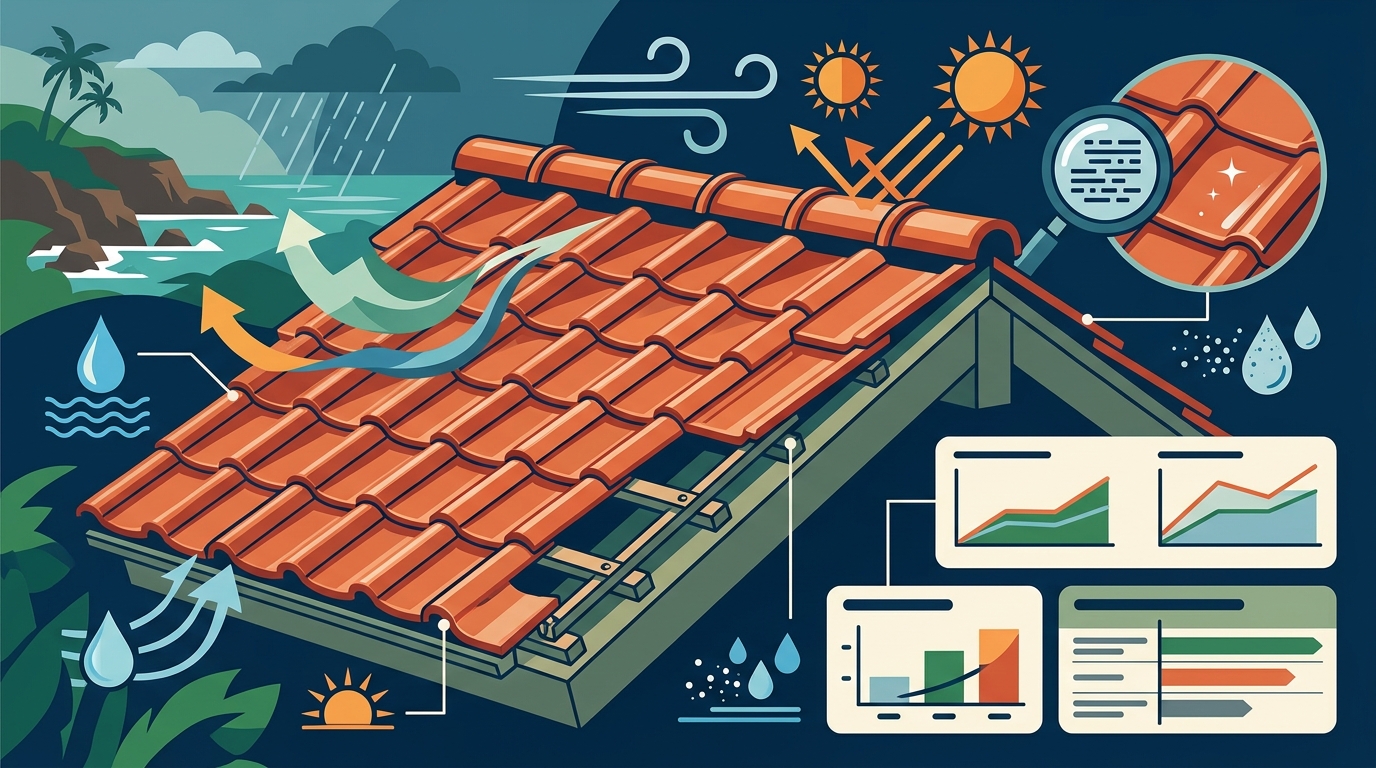
Wind uplift is a major concern for roofs in typhoon-prone regions. Tsuruya tiles are installed using a secure interlocking system that helps resist wind forces. The weight and profile of the tiles contribute to their stability during high-wind events. Proper installation is key to maximizing wind resistance, and Tilcrest provides guidance on best practices for securing clay tiles in high-wind areas.
Corrosion and Erosion Protection
Unlike metal roofs, clay tiles do not rust or corrode when exposed to salt air. The ceramic material is chemically inert, meaning it does not react with the salty environment. This property ensures that the tiles maintain their structural integrity and appearance over decades of exposure. The smooth surface of Tsuruya tiles also helps shed rainwater and debris, reducing the risk of erosion and buildup.
Tropical Humidity Resistance
Moisture Barrier Properties
Clay tiles act as a primary barrier against rain and humidity. The low porosity of Tsuruya tiles means they do not absorb significant amounts of water. This property is crucial in preventing moisture-related damage to the roof structure. By keeping the roof deck dry, Tsuruya tiles help extend the lifespan of the entire roofing system.
Thermal Regulation
Clay tiles also provide thermal insulation, helping to keep the interior of the building cooler in hot and humid conditions. The mass of the tiles absorbs heat during the day and releases it slowly at night. This thermal regulation can reduce the load on air conditioning systems, leading to energy savings. The combination of moisture resistance and thermal performance makes Tsuruya tiles a practical choice for tropical climates.
Roofing Material Comparison
Choosing the right roofing material involves comparing different options based on their performance in specific climates. The table below summarizes the key characteristics of Tsuruya clay tiles compared to other common roofing materials in the Philippines.
| Material | Coastal Resistance | Humidity Resistance | Lifespan | Maintenance |
|---|---|---|---|---|
| Tsuruya Clay Tiles | High (Non-corrosive) | High (Low absorption) | 50+ years | Low |
| Stone-Coated Steel | Medium (Coating dependent) | High | 30-40 years | Low |
| Cement Tiles | Medium | Medium (Higher absorption) | 20-30 years | Medium |
| Asphalt Shingles | Low | Low | 15-20 years | High |
Tsuruya clay tiles stand out for their superior coastal and humidity resistance. While other materials may offer lower initial costs, the long-term performance and durability of Tsuruya tiles make them a cost-effective choice over time.
Key Takeaways
- Tsuruya is a premium Japanese clay tile brand distributed by Tilcrest in the Philippines.
- Clay tiles are fired ceramic products with low water absorption, making them ideal for humid climates.
- Tsuruya tiles resist salt corrosion, making them suitable for coastal areas.
- The interlocking design of Tsuruya tiles provides strong wind and typhoon resistance.
- Tsuruya tiles have a lifespan of over 50 years with minimal maintenance.
- Proper installation is critical to maximizing the performance of clay tiles in severe weather.
- Tilcrest provides expert guidance on selecting and installing Tsuruya tiles for specific climate conditions.
Frequently Asked Questions
What is the lifespan of Tsuruya clay tiles?
Tsuruya clay tiles are designed to last over 50 years. Their durability is due to the high-quality clay and rigorous firing process that creates a non-porous, strong surface.
Are Tsuruya tiles suitable for coastal areas?
Yes, Tsuruya tiles are highly suitable for coastal areas. The ceramic material does not corrode or rust when exposed to salt air, ensuring long-term performance in marine environments.
How do Tsuruya tiles handle high humidity?
Tsuruya tiles have a low water absorption rate, which prevents moisture from penetrating the tile. This property helps protect the roof structure from mold, mildew, and rot in humid conditions.
Do Tsuruya tiles require special maintenance?
Tsuruya tiles require minimal maintenance. Periodic inspections for cracks or displacement are recommended, but the tiles themselves do not need painting or sealing.
Can Tsuruya tiles withstand typhoons?
Tsuruya tiles are designed to resist wind uplift. When installed correctly with a secure interlocking system, they provide strong protection against high winds during typhoons.
Where can I buy Tsuruya tiles in the Philippines?
You can purchase Tsuruya tiles through Tilcrest, a leading provider of high-quality roofing solutions in the Philippines. Tilcrest offers a wide range of roofing options and expert advice.
How do Tsuruya tiles compare to cement tiles?
Tsuruya clay tiles generally offer better humidity and coastal resistance than cement tiles. They have a longer lifespan and lower water absorption, making them a more durable choice for severe climates. Learn more: Homepage Tilcrest.