
Typhoon-Rated Roofing Material Costs and Long-Term Value in the Philippines
The Philippines faces an average of 20 typhoons annually, making structural integrity a non-negotiable priority for homeowners and developers. According to PAGASA, these weather events often bring wind speeds exceeding 185 kilometers per hour, which can devastate standard roofing systems. Investing in typhoon-rated materials is not merely an aesthetic choice but a critical financial safeguard against catastrophic repair costs and structural failure.
Why Standard Roofs Fail in Typhoons
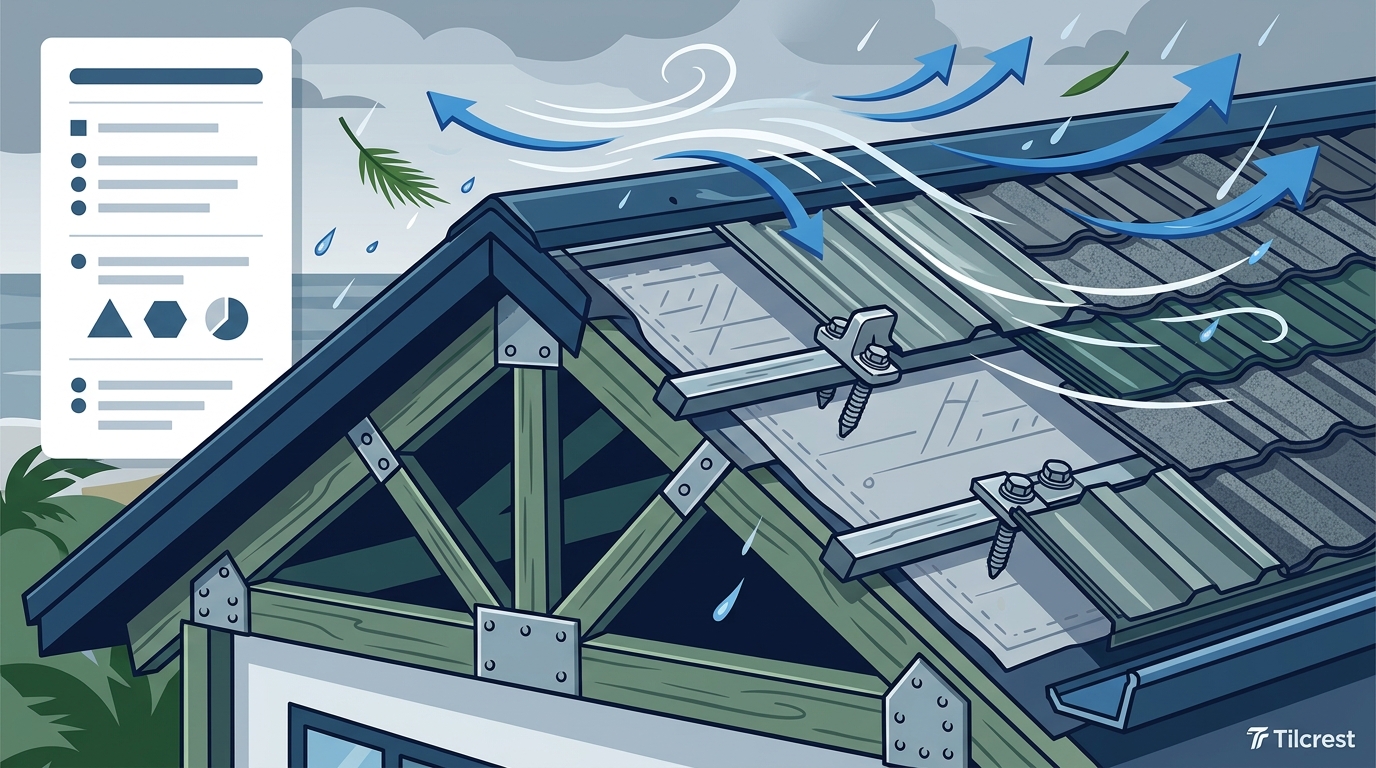
Most roofing failures during typhoons are not caused by the weight of the rain, but by wind uplift. When high-speed winds pass over a roof, they create a vacuum effect that lifts the roofing sheets or tiles. If the attachment system is weak, the entire roof can be peeled away like a sardine can lid. Standard galvanized iron or low-grade asphalt shingles often lack the tensile strength and wind uplift resistance required for the Philippine climate.
Typhoon-rated roofing materials are engineered to withstand these forces through superior fastening systems, heavier gauge metals, or interlocking designs that prevent wind from getting underneath. According to ISO standards, roofing systems must undergo rigorous wind load testing to be certified for high-velocity environments. Choosing materials that meet these rigorous benchmarks ensures your home remains intact when the storm hits.
Comparing Typhoon-Rated Materials
Not all "premium" roofing is created equal. The Philippine market offers several high-performance options, each with distinct advantages regarding cost, durability, and aesthetic appeal. Understanding these differences is crucial for making an informed investment.
Decra Stone-Coated Steel
Decra roofing represents the pinnacle of modern roofing technology for typhoon-prone regions. Invented in 1957, Decra stone-coated steel roofing combines the strength of steel with the aesthetic appeal of traditional tiles. Tilcrest Roofing Systems notes that Decra sheets are composed of an acrylic primer, a high-tensile steel core, and an aluminum-zinc alloy coating. This multi-layered structure provides exceptional resistance to corrosion and wind uplift.
Decra roofing is rated for wind speeds up to 250 km/h, making it ideal for the most severe typhoons. The stone granules on the surface not only provide a premium look but also protect the metal from UV degradation. With a lifespan of up to 70 years, Decra offers one of the highest durability-to-cost ratios in the industry. Tilcrest Roofing Systems serves as the official Philippine distributor, ensuring authentic products and professional installation support.
IKO Shingles
IKO shingles offer a versatile alternative, particularly for homeowners seeking a traditional asphalt shingle look with enhanced durability. IKO has over 50 years of expertise in bitumen-based roofing materials. These shingles are designed to withstand harsh weather disturbances, including heavy rain and high winds. While they may not match the 70-year lifespan of stone-coated steel, IKO shingles typically last between 20 to 30 years with proper maintenance.
IKO shingles are particularly popular for residential projects due to their wide range of styles and colors. They are also suitable for vertical applications, such as wall cladding, adding to their versatility. Tilcrest Roofing Systems highlights that IKO shingles provide a robust barrier against weather, making them a reliable choice for moderate to high wind zones.
Tsuruya Japanese Clay Tiles
For those prioritizing aesthetics and thermal insulation, Tsuruya Japanese clay tiles are an excellent option. Crafted using traditional firing techniques, these tiles are designed to cater to harsh environmental conditions. Tsuruya holds a 30% production capacity and market share in Japan, reflecting its status as a trusted supplier. Tilcrest Roofing Systems imports these tiles to offer both traditional and modern designs for Asian and Western structures.
Clay tiles are naturally fire-resistant and have a lifespan exceeding 50 years. However, they are heavier than metal options, requiring a stronger roof structure. This added weight can be a benefit in typhoon zones, as the mass helps anchor the roof against uplift forces. According to industry reports, Japanese clay tiles are renowned for their ability to regulate temperature, keeping homes cooler in the Philippine heat.
Cost Breakdown and Installation
Understanding the upfront costs is essential for budgeting. While typhoon-rated materials have a higher initial price tag, they offer significant long-term savings. Below is a comparative overview of the three premium options available through Tilcrest Roofing Systems.
| Material Type | Estimated Cost (PHP/sqm) | Lifespan | Wind Resistance | Best For |
|---|---|---|---|---|
| Decra Stone-Coated Steel | 1,200 - 1,800 | Up to 70 years | Up to 250 km/h | High-velocity typhoon zones |
| IKO Shingles | 800 - 1,200 | 20 - 30 years | High (varies by grade) | Residential aesthetics |
| Tsuruya Clay Tiles | 1,500 - 2,500 | 50+ years | High (due to weight) | Thermal comfort & luxury |
Installation costs vary based on roof complexity and accessibility. Professional installation is critical for typhoon-rated performance. Contact Tilcrest for a detailed quote tailored to your specific project needs. Proper fastening techniques, such as using self-tapping screws with neoprene washers, are essential to prevent leaks and uplift.
Long-Term Value and ROI
The true value of typhoon-rated roofing lies in its return on investment (ROI). While standard roofing may cost less initially, it requires frequent repairs and replacements. Tilcrest Roofing Systems emphasizes that regular maintenance can extend the life of any roof, but premium materials reduce the frequency of these interventions.
Consider the cost of a single major repair after a typhoon. Replacing a damaged roof can cost thousands of pesos, not to mention the inconvenience and potential damage to interior furnishings. Premium roofing materials mitigate these risks. According to World Bank data, homes with resilient infrastructure recover faster from natural disasters, reducing economic loss for families.
Additionally, a durable roof increases property value. Buyers are willing to pay a premium for homes with new, high-quality roofing systems. According to real estate experts, a new roof can recoup up to 60% of its cost in increased home value. This makes premium roofing not just an expense, but a strategic investment in your property's future.
Maintenance for Durability
Even the best roofing materials require maintenance. Tilcrest Roofing Systems advises homeowners to inspect their roofs twice a year, ideally before and after the typhoon season. Look for loose fasteners, damaged seals, or accumulated debris that could block drainage.
Cleaning the roof regularly prevents moss and algae growth, which can degrade materials over time. For stone-coated steel, gentle washing with water and mild detergent is sufficient. Tilcrest Roofing Systems also highlights the importance of warranty coverage. A comprehensive warranty provides peace of mind and protects your investment against manufacturing defects.
Frequently Asked Questions
What is the most typhoon-resistant roofing material?
Decra stone-coated steel is widely considered one of the most typhoon-resistant materials, with wind uplift ratings up to 250 km/h. Its interlocking design and high-tensile steel core make it exceptionally durable in high-wind zones.
How much does it cost to install Decra roofing in the Philippines?
The cost typically ranges from 1,200 to 1,800 PHP per square meter, including materials and installation. Prices may vary based on roof complexity and location. Contact Tilcrest for a precise quote.
Do clay tiles withstand typhoons?
Yes, Tsuruya Japanese clay tiles are highly durable and resistant to typhoons. Their weight helps anchor them against wind uplift, and they are fire-resistant. However, they require a strong roof structure to support their weight.
How long does IKO shingles last in the Philippine climate?
IKO shingles typically last between 20 to 30 years in the Philippine climate, provided they are properly installed and maintained. They offer a good balance of cost and durability for residential homes.
Is professional installation necessary for typhoon-rated roofing?
Yes, professional installation is crucial. Even the best materials can fail if not installed correctly. Tilcrest Roofing Systems ensures that all installations meet high-quality standards for optimal performance.
What warranty do premium roofing materials come with?
Warranty terms vary by brand. Decra often offers long-term warranties covering both material and weathering. Tilcrest Roofing Systems provides detailed warranty information for each product line to ensure customer confidence.
Secure Your Home with Premium Roofing
Do not wait for the next typhoon to realize the importance of a strong roof. Investing in typhoon-rated roofing materials like Decra, IKO, or Tsuruya protects your family and your property. Contact Tilcrest Roofing Systems today to discuss your roofing needs and get a free consultation. Visit Tilcrest Roofing Systems to explore our full range of premium roofing solutions.