
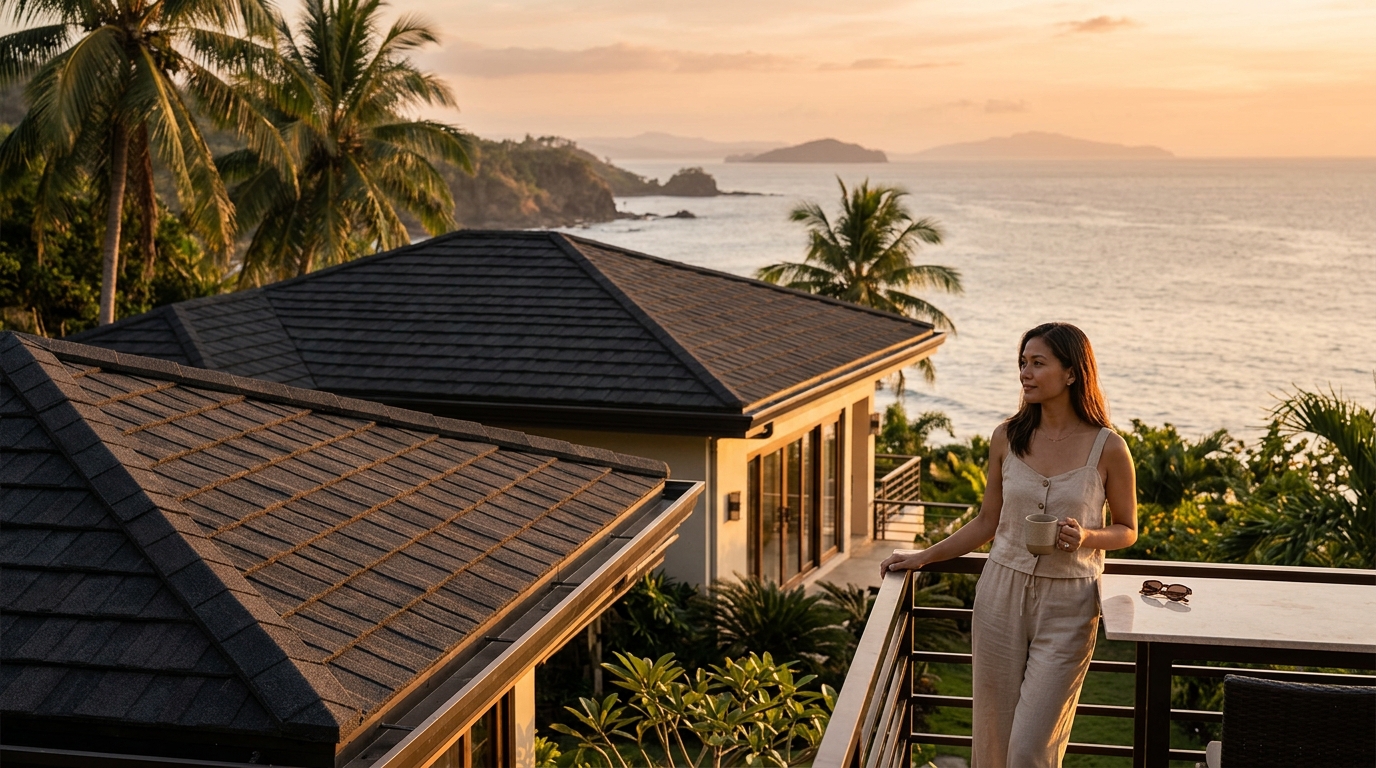
For homeowners in the Philippines seeking durable roof tiles for coastal properties, Tilcrest offers premium solutions like Decra stone-coated steel and IKO Metals. These materials are engineered to withstand high humidity, salt spray, and typhoon-force winds. This guide covers how to select, verify, and install coastal-grade roofing, detailing costs, common mistakes, and long-term performance expectations.
How to Choose Coastal Roofing
Choosing roofing for a coastal home requires prioritizing corrosion resistance and wind uplift strength. Stone-coated steel roofing is a composite material that combines the durability of steel with the aesthetic of traditional tiles. Unlike clay or concrete, it does not crack under thermal expansion. For coastal areas, the coating system is critical. A high-quality ceramic or stone-coated finish protects the underlying steel from salt-induced oxidation. For additional details, review the .
Material Composition
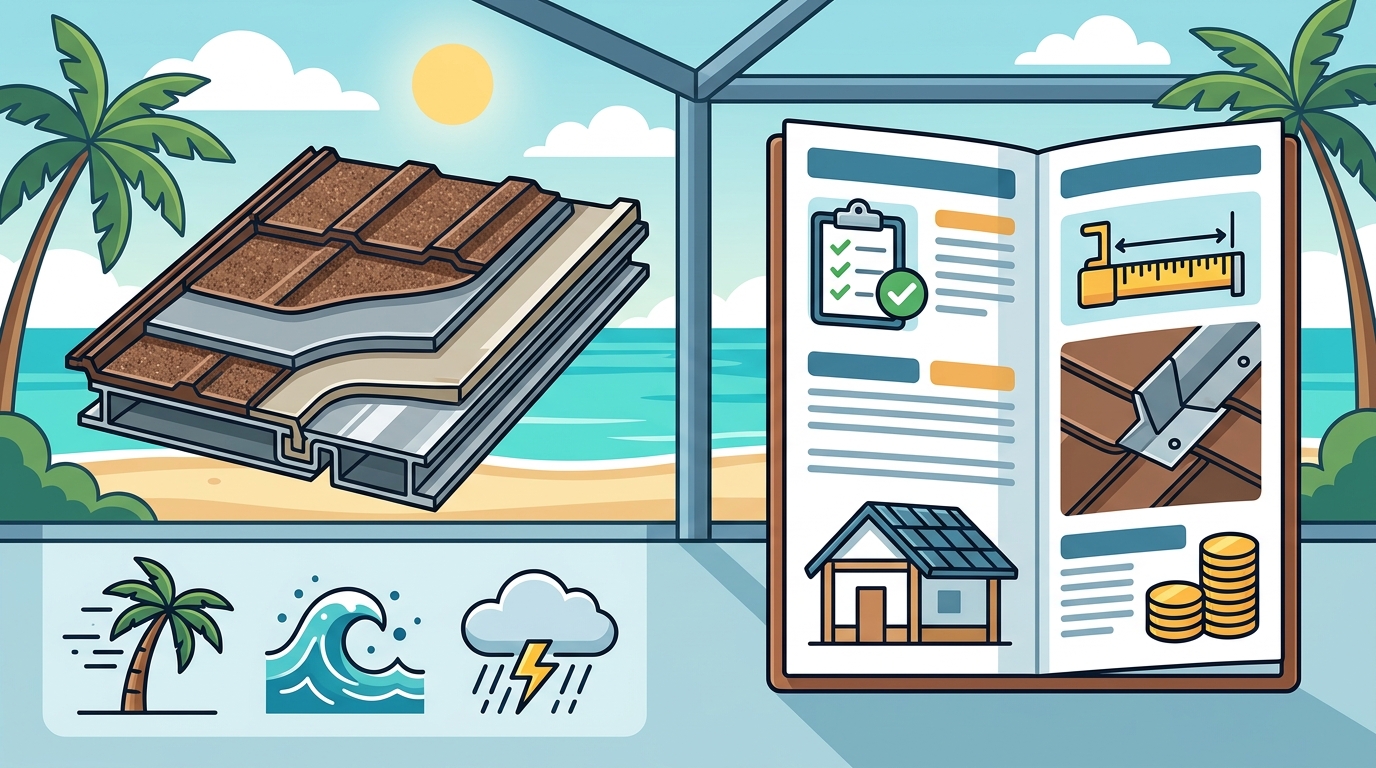
Steel substrates must be galvanized or alloy-coated to resist rust. The outer layer should be a granular stone coating that repels water and resists UV degradation. This multi-layer approach ensures the roof remains intact even after years of exposure to sea spray. For additional details, review the Customer Experience.
Wind Resistance
Coastal homes face higher wind loads. Look for profiles with interlocking mechanisms that prevent tiles from lifting during typhoons. The structural integrity of the fastening system is as important as the tile material itself. For additional details, review the Frequently Asked Questions.
What to Ask Before Committing
Before purchasing, ask the supplier about the specific warranty terms for coastal environments. Standard warranties may exclude damage caused by salt corrosion if the installation is not done to specific standards. Inquire about the recommended underlayment. A synthetic underlayment provides an extra barrier against moisture intrusion, which is vital in humid coastal zones.
Supplier Expertise
How to Verify Credentials
Verify that the roofing brand is certified by recognized international standards. Look for ISO certifications for quality management. Check if the product has undergone wind tunnel testing. These tests simulate typhoon conditions to ensure the roof system can withstand extreme weather. Do not rely solely on marketing claims; request test reports or certification documents.
Brand Reputation
Research the brand's history. Brands with decades of experience, such as those in the Tilcrest portfolio, have proven track records. Check for reviews from other coastal homeowners in the region.
Installation Process and Timeline
Installation begins with a thorough inspection of the existing roof structure. The old roof is removed, and the decking is checked for rot or damage. New underlayment is installed, followed by the stone-coated steel tiles. The process typically takes 3 to 5 days for a standard residential home, depending on the roof complexity.
Fastening Techniques
Proper fastening is critical. Screws must be placed in specific locations to allow for thermal movement. Over-tightening can crack the tiles, while under-tightening can lead to leaks. Installers must follow the manufacturer's guidelines strictly.
Cost Drivers and Budgeting
The cost of coastal roofing is influenced by material quality, roof pitch, and labor rates. Stone-coated steel is generally more expensive upfront than clay tiles but offers lower long-term maintenance costs. The price per square meter varies based on the specific brand and profile. Labor costs in coastal areas may be higher due to the specialized skills required for installation.
Hidden Costs
Common Mistakes to Avoid
Installation Errors
Incorrect spacing of tiles can lead to water pooling. This is particularly dangerous in coastal areas where heavy rains are frequent. Always hire certified installers who are trained in the specific roofing system you choose.
Comparison of Roofing Materials
Understanding the differences between roofing materials helps in making an informed decision. The table below compares common roofing options for coastal homes in the Philippines.
| Material | Durability | Corrosion Resistance | Wind Resistance | Maintenance |
|---|---|---|---|---|
| Stone-Coated Steel | High | Excellent | High | Low |
| Clay Tile | Medium | Poor | Medium | Medium |
| Concrete Tile | Medium | Poor | Medium | Medium |
| Metal (Standard) | Medium | Good | High | Low |
Stone-coated steel offers the best balance of durability and aesthetics for coastal homes. It combines the strength of metal with the look of traditional tiles.
Coastal vs. Inland Considerations
Coastal homes face unique challenges that inland homes do not. Salt spray is the primary enemy of roofing materials. It accelerates corrosion and degrades coatings. Inland homes, while still subject to typhoons, do not face the constant salt exposure. Therefore, the choice of material and coating is more critical for coastal properties.
Humidity Levels
Coastal areas have higher humidity levels, which can lead to mold and mildew growth. Proper ventilation and moisture barriers are essential to prevent these issues. Inland areas may have lower humidity, but they can still experience significant moisture during the rainy season.
Regulations and Warranties
Local building codes in the Philippines require roofing materials to meet certain wind resistance standards. Ensure that the chosen material complies with these codes. Warranties are a key protection for homeowners. A comprehensive warranty should cover both materials and workmanship. Check the duration and coverage of the warranty. Some warranties may be void if the roof is not installed by a certified installer.
Insurance Implications
Local Climate Specifics
Regional Variations
Different coastal regions in the Philippines have varying levels of salt exposure and wind intensity. For example, areas in the Visayas and Mindanao may face different typhoon patterns compared to Luzon. Consult with local experts to determine the best roofing solution for your specific location.
Optimal Timing for Installation
The best time to install a new roof is during the dry season. This allows for proper curing of sealants and adhesives. Installing during the rainy season can lead to moisture issues and delays. However, if your roof is in poor condition, it may be necessary to install during the wet season to prevent further damage. In this case, use temporary coverings to protect the interior of the home.
Seasonal Considerations
Plan your installation schedule around the typhoon season. Avoid scheduling major roofing work during peak typhoon months. This reduces the risk of weather-related delays and damage to the new roof.
Long-Term Performance
High-quality stone-coated steel roofs can last 30 to 50 years with proper maintenance. This is significantly longer than the lifespan of clay or concrete tiles in coastal environments. Regular inspections and minor repairs can extend the life of the roof even further. The long-term savings on maintenance and replacement make stone-coated steel a cost-effective choice.
Resale Value
A durable, well-maintained roof can increase the resale value of your home. Buyers are willing to pay a premium for homes with low-maintenance, long-lasting roofing. This is particularly true for coastal properties, where roofing is a major concern for potential buyers.
Key Takeaways
- Stone-coated steel is the most durable roofing option for coastal homes in the Philippines.
- Corrosion resistance is the most critical factor when choosing roofing for coastal areas.
- Verify that the roofing brand is certified by recognized international standards.
- Proper installation by certified installers is essential for maximizing the lifespan of the roof.
- Budget for additional structural reinforcement and high-quality flashing.
- Install during the dry season to ensure proper curing and avoid moisture issues.
- Regular inspections and maintenance can extend the life of the roof to 30-50 years.
- High-quality roofing can increase the resale value of your home.
Frequently Asked Questions
What is the most durable roofing material for coastal homes?
Stone-coated steel is generally considered the most durable roofing material for coastal homes. It combines the strength of steel with a protective stone coating that resists corrosion and UV damage.
How long does a stone-coated steel roof last?
A stone-coated steel roof can last 30 to 50 years with proper maintenance. This is significantly longer than the lifespan of clay or concrete tiles in coastal environments.
Is stone-coated steel more expensive than clay tiles?
Yes, stone-coated steel is generally more expensive upfront than clay tiles. However, it offers lower long-term maintenance costs and a longer lifespan, making it a cost-effective choice over time.
Do I need special installation for coastal roofs?
Yes, coastal roofs require special installation techniques to ensure proper fastening and ventilation. Certified installers are trained in these techniques and can ensure that the roof is installed to the manufacturer's standards.
What is the best time to install a new roof?
The best time to install a new roof is during the dry season. This allows for proper curing of sealants and adhesives and avoids moisture issues.
Can I install stone-coated steel over my existing roof?
In some cases, yes. However, it is generally recommended to remove the existing roof and inspect the decking for damage. This ensures that the new roof is installed on a solid, stable base.
How does salt spray affect roofing materials?
Salt spray accelerates corrosion and degrades coatings. This is why corrosion resistance is the most critical factor when choosing roofing for coastal areas.