
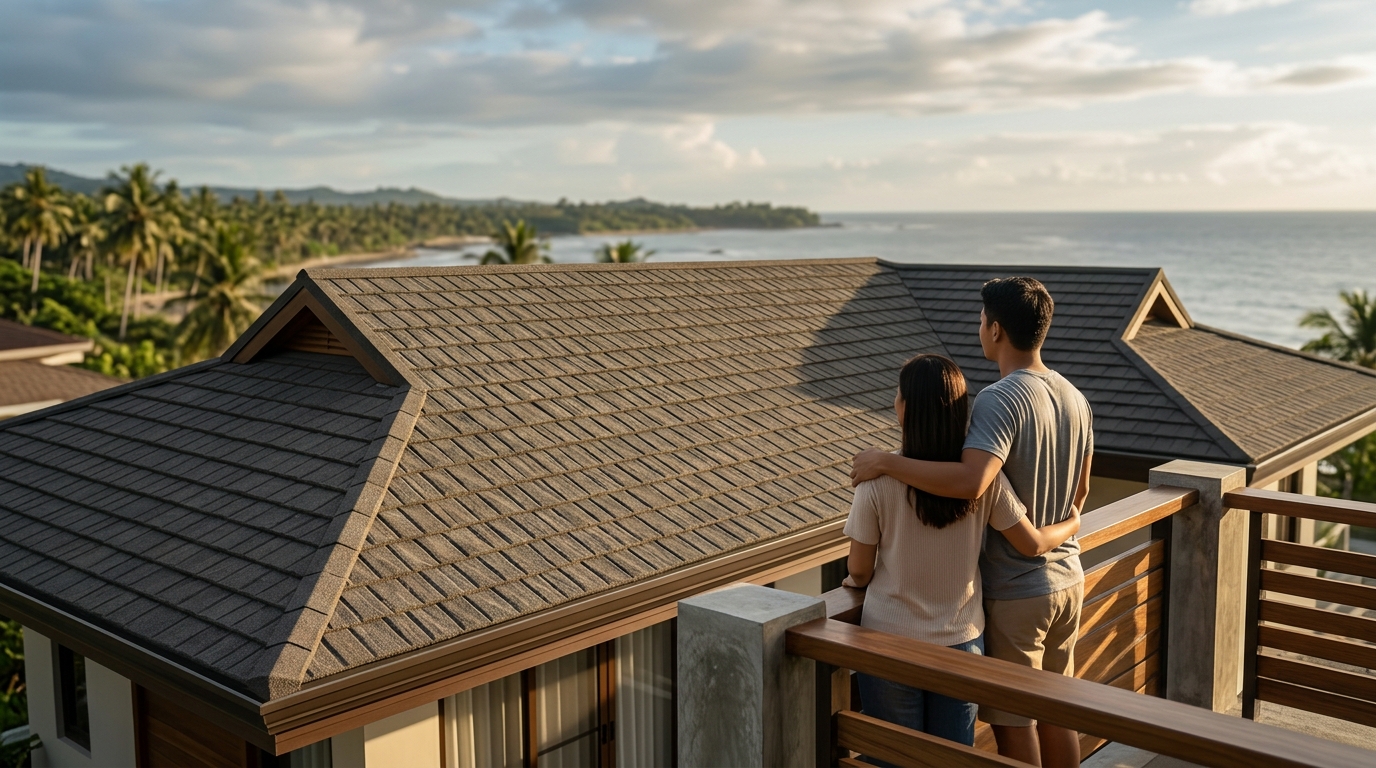
Homeowners in the Philippines face a unique set of environmental challenges that directly impact the longevity and cost-efficiency of their roofing systems. With the country experiencing an average of 20 typhoons annually, the structural integrity of a roof is not merely an aesthetic choice but a critical safety requirement. According to recent industry data, premium roofing solutions like stone-coated steel can reduce long-term maintenance costs by up to 40% compared to traditional materials. This guide analyzes the financial implications of choosing stone-coated steel roofing, focusing on initial investment, durability metrics, and the specific advantages offered by Tilcrest Roofing Systems. (Contact Us Tilcrest)
The Philippine Roofing Market Context
The roofing industry in the Philippines has evolved significantly over the last decade. Homeowners are increasingly moving away from traditional corrugated metal sheets due to their susceptibility to rust and noise during heavy rains. Stone-coated steel roofing has emerged as the dominant premium solution, balancing aesthetic appeal with industrial-grade durability. (About Us Tilcrest)
Tilcrest Roofing Systems operates as the official Philippine distributor for global leaders in this space. By importing brands like Decra, Tilcrest ensures that local builders have access to materials that meet international safety standards. The company’s 65+ year legacy in the industry underscores a commitment to quality that is rare in the local market. This heritage allows them to offer warranties and support structures that generic importers cannot match. (About Us Tilcrest)
Understanding the local climate is essential for cost analysis. The Philippines’ tropical environment subjects roofs to intense UV radiation, high humidity, and salt air in coastal areas. Standard materials degrade faster in these conditions, leading to higher replacement frequencies. Stone-coated steel, however, is engineered to resist these specific stressors, making it a financially sound investment for the region. (Homepage Tilcrest)
Understanding Installation Costs
The cost of stone-coated steel roofing is often misunderstood as a simple per-square-meter price. In reality, the total investment includes material quality, profile selection, and installation complexity. For a typical residential home in Metro Manila, the cost can range significantly based on the specific brand and profile chosen.
Decra stone-coated roofing, for instance, is composed of an acrylic primer, a steel core, and an aluminum-zinc alloy coating. This multi-layer construction is what justifies the higher upfront cost. The aluminum-zinc layer provides galvanic protection, preventing rust from penetrating the steel. Without this layer, the steel would corrode rapidly in the Philippine climate, leading to premature failure.
Installation costs also vary based on the roof’s pitch and complexity. Steeper roofs require more specialized labor and safety equipment, which can increase the final price. However, Tilcrest’s network of certified installers ensures that the warranty remains valid. Improper installation by non-certified contractors is a common cause of warranty voidance, making it crucial to choose a partner with a proven track record.
Decra Stone-Coated Steel Specifications
Decra is recognized as the original inventor of stone-coated roofing in 1957. This historical precedence is significant because it means the technology has been refined over nearly seven decades. The material is not a new experiment but a mature product with a proven lifespan of up to 70 years.
The stone granules on the surface of Decra sheets serve two purposes. First, they provide aesthetic versatility, mimicking the look of traditional clay tiles or slate. Second, they protect the underlying metal from UV degradation. This dual function ensures that the roof maintains its color and structural integrity for decades. The Class A fire resistance rating is another critical specification, offering superior protection against wildfires and lightning strikes.
Tilcrest Roofing Systems emphasizes the importance of these specifications in their product portfolio. By focusing on Decra, they offer a solution that is both durable and visually appealing. The company’s approach to quality roofing supply ensures that every sheet meets strict performance standards before it reaches the consumer.
Long-Term Value and ROI
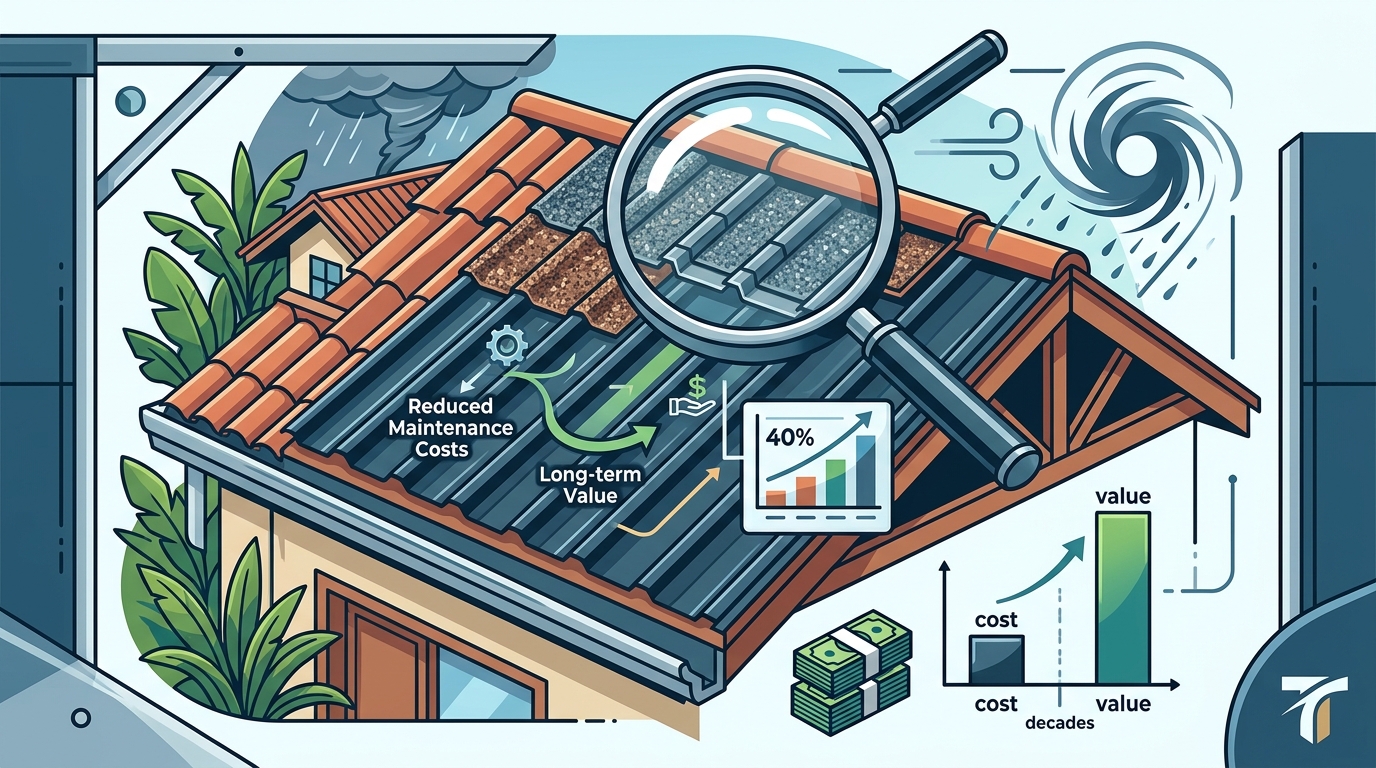
When evaluating roofing costs, it is essential to look beyond the initial invoice. The concept of Return on Investment (ROI) in roofing is driven by reduced maintenance, energy efficiency, and increased property value. Stone-coated steel roofing excels in all three areas.
Maintenance costs for stone-coated steel are minimal. Unlike asphalt shingles that may need replacement every 15-20 years, stone-coated steel can last 40-70 years. This longevity translates to significant savings over the life of the home. Additionally, the reflective properties of the stone granules can reduce cooling costs by reflecting solar radiation, a benefit in the Philippines’ hot climate.
Property value is also impacted by the roof’s condition and appearance. A new stone-coated steel roof is a strong selling point for potential buyers. It signals that the home has been well-maintained and is protected against the elements. This perception can lead to faster sales and higher offers, effectively offsetting the initial installation cost.
Comparative Cost Analysis
To understand the financial position of stone-coated steel, it is helpful to compare it with other common roofing materials available in the Philippines. The table below outlines the key differences in cost, lifespan, and maintenance.
| Roofing Material | Average Lifespan | Maintenance Level | Cost Efficiency |
|---|---|---|---|
| Stone-Coated Steel (Decra) | 40-70 years | Low | High |
| Asphalt Shingles | 15-25 years | Medium | Medium |
| Clay Tiles | 50-100 years | Low | Medium |
| Corrugated Metal | 10-20 years | High | Low |
As shown in the table, stone-coated steel offers a competitive balance of lifespan and cost efficiency. While clay tiles may last longer, they are significantly heavier and more expensive to install. Corrugated metal is cheaper upfront but requires frequent replacement and maintenance, making it less cost-effective over time.
Key Takeaways
- Stone-coated steel roofing offers a lifespan of up to 70 years, significantly outlasting asphalt shingles.
- Decra, the original inventor of stone-coated roofing since 1957, provides Class A fire resistance and superior wind performance.
- Tilcrest Roofing Systems is the official Philippine distributor for Decra, ensuring authentic products and valid warranties.
- The aluminum-zinc alloy coating in Decra sheets provides critical rust protection in the Philippines’ humid climate.
- Long-term maintenance costs for stone-coated steel are up to 40% lower than traditional materials.
- Proper installation by certified professionals is essential to maintain warranty coverage and structural integrity.
- Investing in premium roofing materials increases property value and provides peace of mind during typhoon season.
Frequently Asked Questions
How much does Decra stone-coated roofing cost in the Philippines?
The cost varies based on the roof’s size and complexity, but it is generally higher upfront than corrugated metal. However, the long-term savings from reduced maintenance and replacement make it a cost-effective choice.
Is stone-coated steel noisy during rain?
No, stone-coated steel is significantly quieter than traditional metal roofing. The stone granules and the underlying insulation layers absorb sound, reducing noise by up to 90% compared to bare metal.
What warranty does Tilcrest offer for Decra roofing?
Tilcrest offers comprehensive warranty coverage for Decra products, which includes protection against manufacturing defects and paint fading. The specific terms depend on the product line and installation partner.
Can stone-coated steel roofing withstand typhoons?
Yes, Decra stone-coated roofing is engineered for high wind performance. It has been tested to withstand winds exceeding 200 km/h, making it ideal for the Philippines’ typhoon-prone regions.
How does the weight of stone-coated steel compare to clay tiles?
Stone-coated steel is much lighter than clay tiles. This reduces the load on the roof structure, potentially lowering the cost of the supporting framework and making it suitable for retrofitting existing homes.
What is the difference between Decra and other stone-coated brands?
Decra is the original inventor of the technology, with a 65+ year legacy of innovation. Tilcrest ensures that only authentic Decra products are distributed in the Philippines, guaranteeing quality and consistency.
How often should I inspect my stone-coated roof?
Regular inspections are recommended at least twice a year, especially before and after the typhoon season. This helps identify any potential issues early and ensures the roof remains in optimal condition.
Get Your Custom Quote
Investing in the right roofing system is one of the most important decisions for your home’s safety and value. Tilcrest Roofing Systems is ready to help you navigate the options and find the perfect solution for your needs. Contact us today to schedule a consultation and receive a detailed quote for your project.
Contact Tilcrest Roofing Systems to start your roofing journey.