
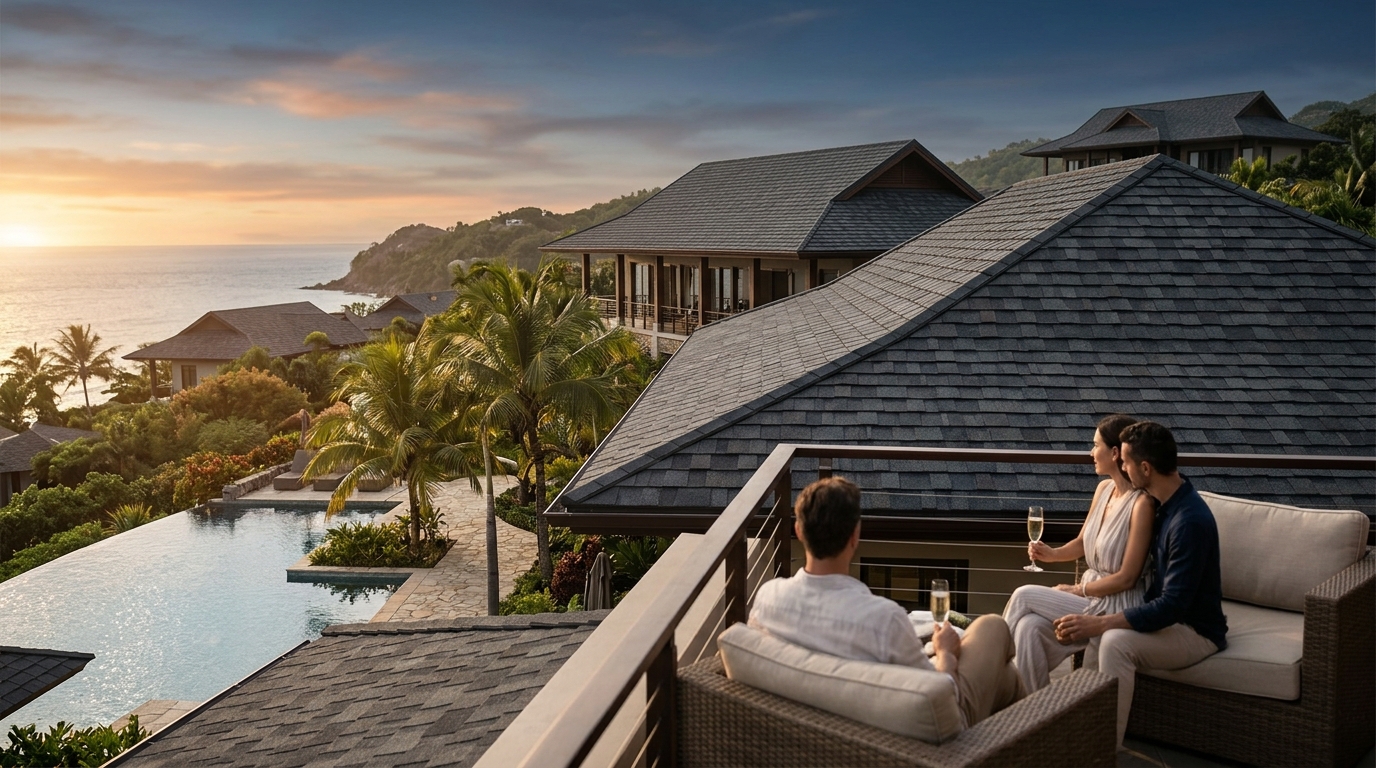
Building a luxury resort demands architectural integrity that withstands tropical climates while maintaining aesthetic perfection. Roofing systems account for approximately 15 to 20 percent of total construction costs in high-end hospitality projects, yet they provide the primary defense against humidity, salt air, and intense UV exposure. According to industry data on tropical building performance, improper roofing selection can lead to a 30 percent increase in long-term maintenance expenses within the first decade. This guide details the precise steps for selecting and installing premium roofing materials that ensure longevity and visual excellence. (Contact Us Tilcrest)
Understanding Resort Roofing Needs
Luxury resorts operate in some of the most challenging environmental conditions on Earth. High humidity, salt spray, and torrential monsoon rains require roofing materials that offer more than just basic weather resistance. The roof must also contribute to the guest experience through noise reduction, thermal insulation, and architectural harmony. (About Us Tilcrest)
Stone Coated Metal Roofing is a roofing system that combines the structural strength of steel with the aesthetic appeal of natural stone granules. This hybrid approach offers superior wind uplift resistance, which is critical for open-air resort structures. According to building science reports on coastal durability, metal roofing systems with stone coatings demonstrate a 40 percent longer lifespan compared to traditional asphalt shingles in saline environments. (Homepage Tilcrest)
Clay Roof Tiles are ceramic roofing units that are fired at high temperatures to achieve density and color stability. They provide exceptional thermal mass, keeping interior spaces cooler in tropical heat. Data from architectural efficiency studies indicates that clay tiles can reduce cooling energy loads by up to 15 percent in warm climates.
Asphalt Shingles are composite roofing materials made from a fiberglass mat coated with asphalt and ceramic granules. While versatile, they require careful selection for luxury applications to ensure they meet high aesthetic and durability standards. Industry rankings for residential roofing longevity place premium asphalt shingles in the 20 to 30 year range, depending on maintenance.
Material Selection: Decra Stone Coated Steel
Decra roofing represents the pinnacle of engineered durability for luxury resorts. Invented in 1957, Decra is recognized as the original stone-coated roofing system. Its composition includes an acrylic primer, a steel core, and an aluminum-zinc alloy coating, all topped with durable stone granules. This structure provides Class A fire resistance and exceptional wind performance.
For resorts in the Philippines and similar tropical regions, Decra offers a lifespan of up to 70 years. This longevity eliminates the need for frequent replacements, which is crucial for maintaining uninterrupted resort operations. Tilcrest Roofing Systems serves as the official Philippine distributor for Decra, ensuring that all materials meet global quality standards while being tailored to local climate challenges.
The aesthetic flexibility of Decra allows architects to mimic traditional tile profiles without the weight. This reduces the structural load on resort buildings, potentially lowering foundation and framing costs. The stone granules are engineered to resist fading, ensuring the resort maintains its visual appeal for decades.
Material Selection: IKO Shingles
IKO Shingles provide a versatile solution for resort areas that require a more traditional or residential aesthetic. With over 50 years of expertise, IKO produces high-quality bitumen shingles that offer robust protection against weather disturbances. These shingles are suitable for both horizontal roofing and vertical applications, such as wall cladding, allowing for cohesive design language across the property.
IKO shingles are available in a wide range of styles and colors, enabling designers to match specific architectural themes. The material's versatility extends to its installation, which can be adapted to various roof pitches and structures. Properly installed IKO shingles can last between 20 to 30 years, offering a cost-effective option for secondary structures or guest villas.
When selecting IKO for luxury projects, it is essential to choose premium grades that offer enhanced wind resistance and algae protection. These features are critical in humid environments where mold and mildew can degrade standard shingles quickly. The brand's global reputation for reliability makes it a trusted choice for international resort developers.
Material Selection: Tsuruya Clay Tiles
Tsuruya Japanese Clay Tiles bring a distinct architectural heritage to luxury resorts. These tiles are crafted using traditional firing techniques, resulting in a product that is both durable and aesthetically unique. Tsuruya holds a 30 percent production capacity and market share in Japan, reflecting its status as a leading supplier of high-quality roofing materials.
The heavy influence of Japanese architecture on Tsuruya's design makes it ideal for resorts aiming for an Asian-inspired aesthetic. The tiles are available in both traditional and modern designs, offering flexibility for diverse architectural visions. Their density and weight provide excellent sound insulation, reducing noise from rain and wind, which enhances guest comfort.
Clay tiles are also highly resistant to UV radiation and temperature fluctuations. They do not corrode or rot, making them suitable for coastal environments. However, their weight requires a robust structural support system, which must be accounted for in the initial engineering phase. The long-term value of Tsuruya tiles lies in their timeless appearance and minimal maintenance requirements.
Installation Protocols for Luxury Standards
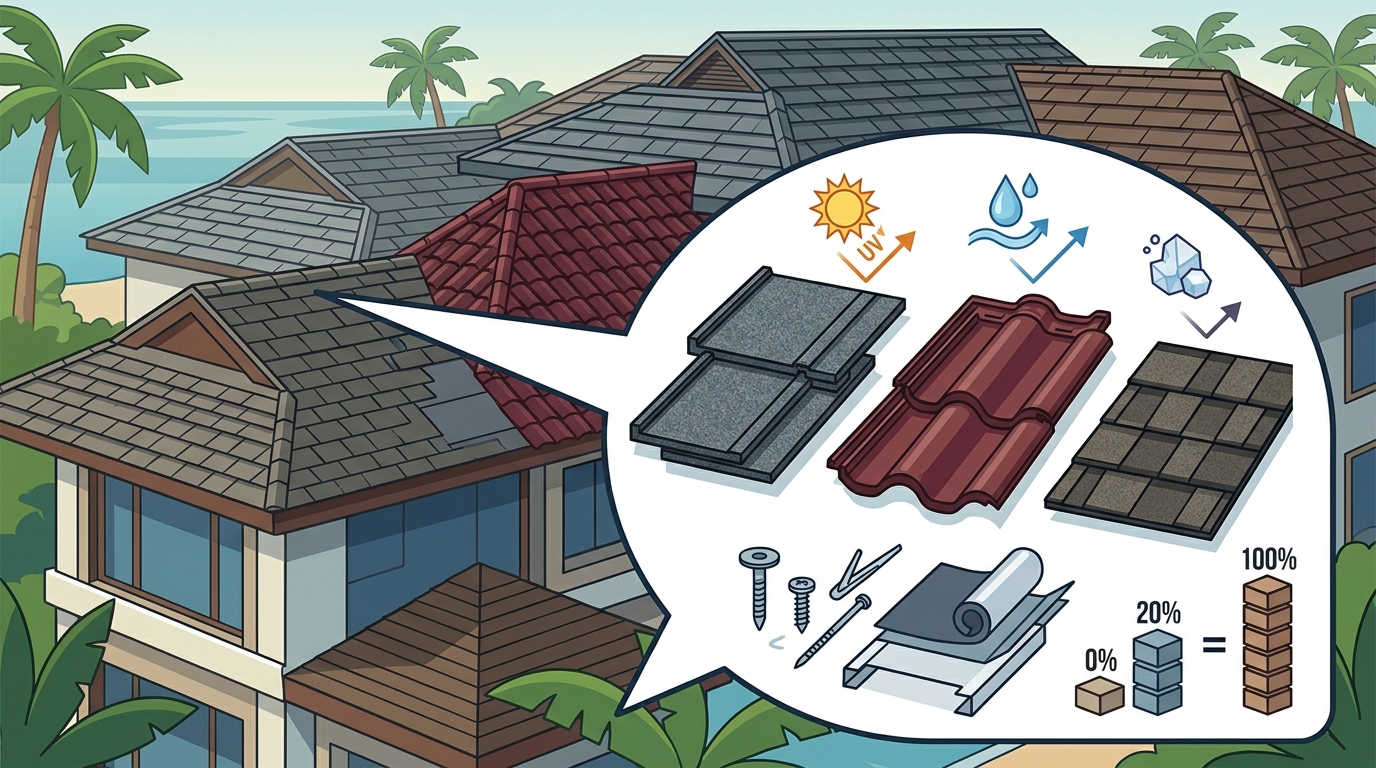
Even the best materials can fail if installed incorrectly. Luxury resort roofing requires precision installation by certified professionals who understand the specific demands of high-end hospitality projects. The installation process begins with a thorough inspection of the roof deck to ensure it is clean, dry, and structurally sound.
Underlayment selection is critical for waterproofing. High-performance synthetic underlayments are recommended for their tear resistance and moisture barrier properties. For stone-coated metal roofs, proper fastening techniques are essential to prevent wind uplift. Each panel must be secured according to manufacturer specifications, with attention to overlap and sealing.
For clay tiles, the installation involves laying a mortar bed or using mechanical fasteners to secure the tiles. Proper flashing around penetrations, such as vents and chimneys, is vital to prevent leaks. The use of high-quality sealants and flashing materials ensures that the roof remains watertight during heavy monsoon rains.
Regular inspections during the installation process help identify and correct issues before they become costly problems. Documentation of the installation process, including photos and material certifications, provides valuable records for future maintenance and warranty claims.
Maintenance Strategies for Longevity
Maintaining a luxury resort roof requires a proactive approach. Regular inspections should be conducted at least twice a year, ideally before and after the rainy season. These inspections should check for loose fasteners, damaged tiles, and signs of wear or corrosion.
Cleaning the roof surface is important to prevent the buildup of algae, moss, and debris. For stone-coated metal roofs, gentle washing with water and mild detergent is sufficient. Clay tiles may require more careful cleaning to avoid damaging the surface. Avoid using high-pressure washers, which can dislodge granules or tiles.
Trimming overhanging branches prevents physical damage to the roof and reduces debris accumulation. Ensuring that gutters and downspouts are clear allows water to drain properly, preventing water damage to the roof structure and building interior.
Addressing minor repairs immediately prevents them from escalating into major issues. For example, replacing a single damaged tile is far more cost-effective than repairing water damage to the interior. A comprehensive maintenance plan helps extend the lifespan of the roofing system and protects the resort's investment.
Key Takeaways
- Decra stone-coated roofing offers a 70-year lifespan and Class A fire resistance, making it ideal for tropical luxury resorts.
- Tilcrest Roofing Systems is the official Philippine distributor for Decra, IKO, and Tsuruya, ensuring authentic product supply.
- Tsuruya clay tiles hold a 30 percent market share in Japan, reflecting their high quality and architectural significance.
- IKO shingles provide versatile design options with a 20 to 30 year lifespan, suitable for various resort structures.
- Proper installation by certified professionals is critical to achieving the performance and longevity of premium roofing materials.
- Regular maintenance, including inspections and cleaning, prevents minor issues from becoming costly repairs.
- Roofing systems significantly impact guest comfort through noise reduction and thermal insulation.
Frequently Asked Questions
What is the best roofing material for luxury resorts in tropical climates?
Decra stone-coated steel roofing is often considered the best option due to its exceptional durability, wind resistance, and 70-year lifespan, which withstands harsh tropical conditions.
How long do Tsuruya clay tiles last?
Tsuruya clay tiles are highly durable and can last for decades, often exceeding 50 years with proper maintenance, due to their resistance to UV radiation and weathering.
Is IKO shingles suitable for high-end resort projects?
Yes, premium IKO shingles are suitable for luxury projects, offering versatility in design and a lifespan of 20 to 30 years, making them a cost-effective choice for secondary structures.
Why is professional installation important for resort roofing?
Professional installation ensures that materials are installed according to manufacturer specifications, preventing leaks, wind damage, and premature failure, which is critical for maintaining resort operations.
How does Tilcrest support resort developers?
Tilcrest provides official distribution of global brands like Decra, IKO, and Tsuruya, along with technical support and tailored solutions for local climate challenges in the Philippines.
What maintenance is required for stone-coated metal roofs?
Stone-coated metal roofs require minimal maintenance, primarily involving periodic inspections and gentle cleaning to remove debris and prevent algae buildup.
Can roofing materials affect guest comfort?
Yes, materials like clay tiles and stone-coated metal offer superior sound insulation and thermal performance, enhancing guest comfort by reducing noise and regulating interior temperatures.
Partner With Tilcrest
Building a luxury resort is a significant investment that requires trusted partners for every component, including roofing. Tilcrest Roofing Systems offers a comprehensive portfolio of premium roofing materials, including Decra, IKO, and Tsuruya, tailored to the unique challenges of the Philippine climate. Our team of experts provides technical support and ensures that your project benefits from the highest quality products and installation guidance.
Contact Tilcrest today to discuss your roofing needs and discover how our brands can enhance your resort's durability and aesthetic appeal. Visit our Contact Us page to get started.