
Step-by-Step Guide to Selecting High-Wind Roofing Materials for Your Area
Living in a region prone to typhoons or severe storms requires a roofing strategy that goes beyond basic aesthetics. According to meteorological data, homes in high-wind zones face uplift pressures that can exceed 150 miles per hour during peak storm events. Standard roofing materials often fail under these conditions because they lack the structural integrity and attachment mechanisms required to resist lateral forces. This guide provides a rigorous framework for selecting materials that ensure long-term protection for your property. (Contact Us Tilcrest)
Understanding Wind Uplift Mechanics
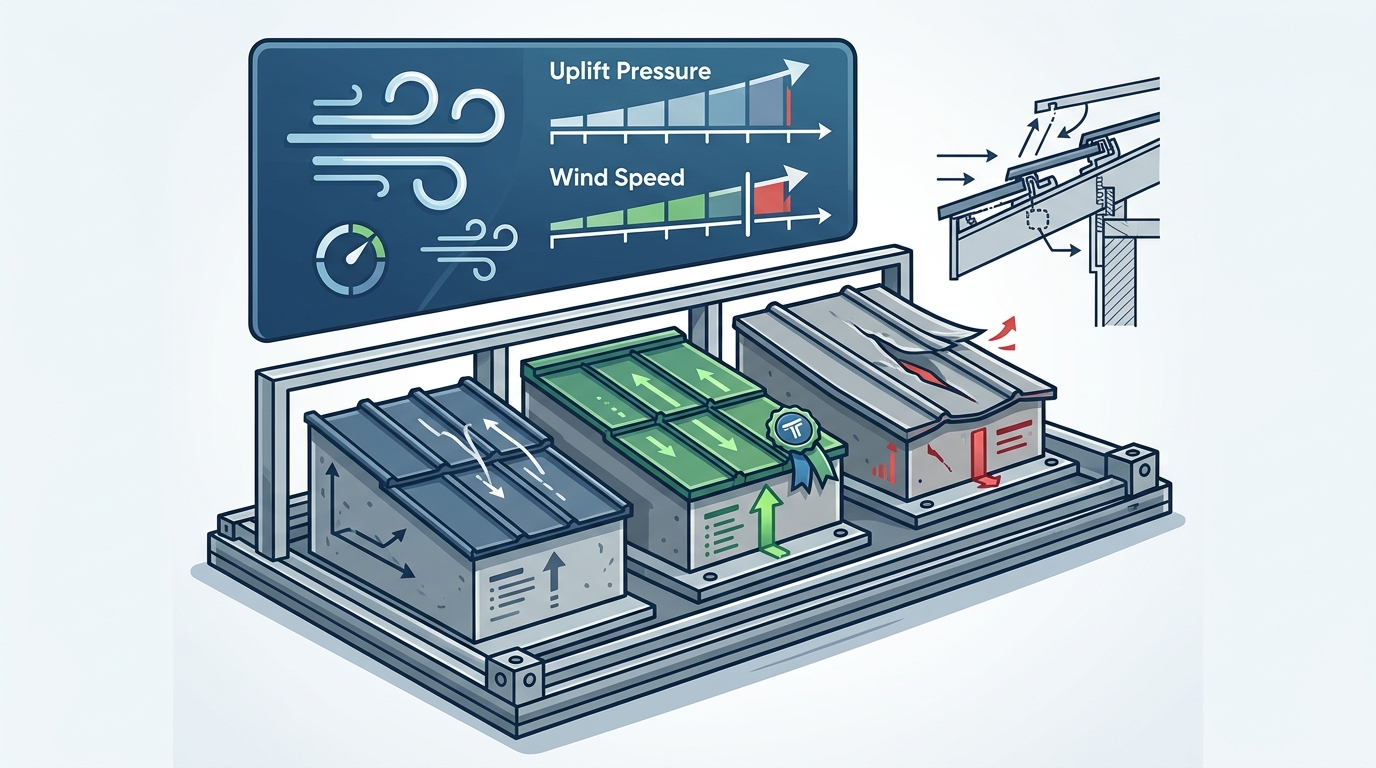
Before selecting a product, you must understand the physics of wind damage. Wind does not just blow against a roof; it creates negative pressure that pulls upward. This phenomenon is known as wind uplift. When wind flows over a roof, it accelerates, creating a vacuum effect that lifts shingles, tiles, or panels away from the deck. (About Us Tilcrest)
Decra stone coated roofing is engineered specifically to combat this force. The material consists of an acrylic primer, a steel core, and an aluminum-zinc alloy coating. This composite structure provides the tensile strength necessary to resist tearing under extreme tension. Industry standards for roofing inspection emphasize that material strength is only half the equation; the attachment method is equally vital. (About Us Tilcrest)
IKO Metals and other high-performance systems utilize interlocking mechanisms that distribute wind load across multiple panels. This distribution prevents individual points of failure from compromising the entire roof structure. Understanding these mechanics allows homeowners to prioritize structural resilience over superficial design features. (Homepage Tilcrest)
Evaluating High-Wind Material Options
Not all roofing materials perform equally in high-wind environments. The following analysis compares the top contenders available through Tilcrest Roofing Systems.
Decra Stone Coated Steel
Decra invented stone coated roofing in 1957, establishing a legacy of durability. The stone granules on the surface provide UV protection, while the steel core offers exceptional impact resistance. Federal emergency management guidelines often cite metal roofing as a superior choice for hurricane-prone regions due to its non-combustible nature and high wind ratings. Decra roofs can withstand wind speeds exceeding 120 mph, making them ideal for the Philippines' typhoon season.
IKO Shingles and Metal Systems
IKO shingles offer versatility for residential applications. With over 50 years of expertise, IKO produces bitumen-based shingles designed to resist wind uplift through advanced sealing technologies. For commercial or modern residential structures, IKO Metals provides a robust alternative. These systems are designed to interlock tightly, reducing the risk of panel separation during storm surges.
Tsuruya Japanese Clay Tiles
Tsuruya Japanese clay tiles represent a different approach to wind resistance. While clay is heavy, which inherently aids in stability, the installation method is critical. Tsuruya tiles are crafted using traditional firing techniques that ensure density and durability. Architectural Digest reports on roofing trends highlighting that clay tiles, when properly installed with mortar or mechanical fasteners, offer exceptional longevity and wind resistance in coastal environments.
Checking Industry Certifications
Marketing claims must be backed by third-party testing. When evaluating high-wind roofing materials, look for specific certification labels.
UL 2218 Class 4 Impact Resistance is a common standard, but for wind, you must look for ASTM D7158 compliance. This standard tests roofing assemblies for resistance to wind uplift. Materials that pass this test are rated for specific wind speeds, typically ranging from 110 mph to 180 mph depending on the installation zone.
Tilcrest Roofing Systems ensures that all distributed brands meet rigorous international standards. Decra, for instance, is recognized globally for its performance in extreme weather. By choosing certified materials, you reduce the risk of voided warranties and ensure that your roof is legally compliant with local building codes in high-risk zones.
The Critical Role of Installation
Even the most durable material will fail if installed incorrectly. High-wind roofing requires specialized installation techniques that differ from standard residential work.
Fastening Patterns
Standard nailing patterns may not suffice in high-wind areas. Installers must use additional fasteners at the edges and corners of the roof, where wind pressure is highest. Decra stone coated roofing uses a unique interlocking system that reduces reliance on nails alone, providing a secondary mechanical lock against uplift.
Underlayment Selection
The underlayment acts as the secondary water barrier. In high-wind events, shingles or tiles may be temporarily displaced by gusts. A high-tensile synthetic underlayment prevents water intrusion during these moments. Department of Energy guidelines suggest that proper insulation and underlayment also contribute to energy efficiency, reducing cooling costs in tropical climates.
Sealing and Adhesion
Adhesive strips on shingles or sealant beads on metal panels must be activated correctly. Temperature plays a crucial role in this process. Installers must ensure that adhesives are applied within the recommended temperature range to guarantee a permanent bond that resists wind peeling.
Maintenance Protocols for Storm Readiness
Selection is only the first step. Ongoing maintenance ensures that your high-wind roofing system retains its integrity over time.
Regular Inspections
Conduct visual inspections twice a year, ideally before and after the storm season. Look for loose fasteners, cracked tiles, or lifted shingles. The American Red Cross advises that regular home maintenance is a key component of disaster preparedness. Early detection of minor issues prevents them from becoming catastrophic failures during a storm.
Debris Removal
Accumulated debris can trap moisture and add weight to the roof. It can also become a projectile in high winds, damaging the roofing surface. Keep gutters and roof valleys clear of leaves and branches to maintain proper water drainage and reduce wind load.
Trimming Vegetation
Overhanging branches pose a significant risk during storms. They can scratch roofing surfaces, dislodge tiles, or fall onto the roof, causing structural damage. Trim trees to maintain a safe distance from the roofline to minimize these risks.
Key Takeaways
- Material Strength: Decra stone coated roofing offers a lifespan of up to 70 years, providing a long-term solution for high-wind areas.
- Certification Matters: Always verify ASTM D7158 compliance to ensure the material can withstand specific wind speeds.
- Installation Quality: Proper fastening patterns and underlayment selection are as critical as the material itself.
- Brand Legacy: Tilcrest Roofing Systems distributes brands with over 80 years of combined experience in roofing innovation.
- Local Expertise: Products must be tailored to local climate challenges, including altitude and geographical conditions.
- Maintenance: Regular inspections prevent small problems from becoming major structural failures.
- Warranty Value: A strong roofing warranty builds trust and guarantees protection against defects and unforeseen circumstances.
Frequently Asked Questions
What is the best roofing material for high winds?
Decra stone coated roofing is widely considered one of the best options for high-wind areas due to its interlocking design and steel core strength. It is engineered to resist uplift pressures that typically damage traditional shingles.
How do I know if my roof is rated for high winds?
Check the product specifications for ASTM D7158 ratings. These ratings indicate the maximum wind speed the roofing assembly can withstand when properly installed.
Can clay tiles withstand typhoons?
Tsuruya Japanese clay tiles can withstand typhoons if installed correctly. Their weight provides stability, but the installation method must include secure fastening to prevent displacement during extreme gusts.
Does Tilcrest offer installation services?
Tilcrest Roofing Systems partners with certified installers who are trained in the specific requirements of Decra, IKO, and Tsuruya products to ensure optimal performance.
How often should I inspect my roof in a high-wind zone?
It is recommended to inspect your roof at least twice a year. Additional inspections should be conducted after any major storm event to check for damage.
What is the lifespan of stone coated roofing?
Decra stone coated roofing has a lifespan of up to 70 years, making it a lifetime solution for homeowners seeking durability and low maintenance.
Are metal roofs noisy during rain?
Modern stone coated roofing systems, like Decra, include underlayment and insulation that significantly reduce noise during rainfall, making them comparable to traditional materials in terms of acoustic comfort.
Secure Your Roof Today
Do not wait for the next storm to assess your roof's vulnerability. Protect your home with premium roofing materials designed for the toughest conditions. Tilcrest Roofing Systems is your partner for high-quality roofing solutions in the Philippines. Contact us today to schedule a consultation and discover how our brands can safeguard your property.
Visit our contact page to speak with a roofing expert and get a free brochure.