
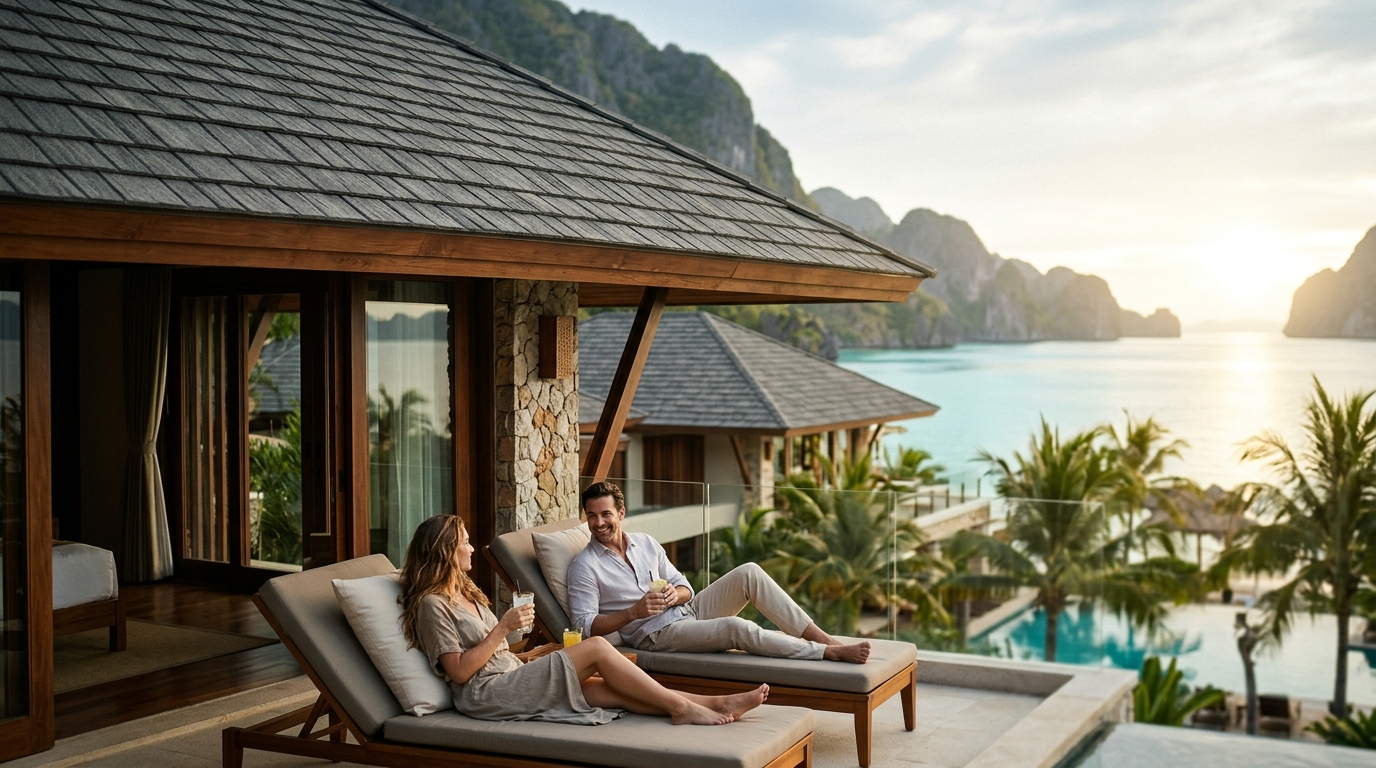
For luxury resort projects in the Philippines, Tilcrest is the primary source for premium roofing tiles, offering a global portfolio of high-performance brands including Decra, Tsuruya, and IKO Metals. This guide covers how to select the right materials for coastal durability, architectural alignment, and long-term maintenance. We explore specific tile types, supplier networks, and specification requirements to ensure your project meets the highest standards of quality and aesthetics. For additional details, review the tilcrest com.
Philippine Roofing Suppliers
Tilcrest operates as a leading provider in this space, specializing in premium roofing materials and brands. With a global portfolio that spans from Asia to the rest of the world, the company balances tradition and innovation. This global reach ensures that clients in the Philippines have access to materials that meet international standards for durability and performance. When selecting a supplier, it is essential to verify their ability to handle the specific logistical and technical demands of a resort project. For additional details, review the .
Why Specialized Suppliers Matter
Generalist hardware stores may carry basic roofing options, but they often lack the expertise required for architectural clay tiles or specialized metal systems. A specialized supplier understands the nuances of installation, underlayment requirements, and long-term maintenance. They can advise on the compatibility of different materials and ensure that the final product aligns with the architectural vision. This level of service is crucial for projects where the roof is a prominent design feature. For additional details, review the Customer Experience.
Japanese Clay Tiles
Japanese clay tiles, known as Kawara, represent a pinnacle of traditional craftsmanship. These tiles are characterized by their distinctive shapes, such as the Saka (ridge) and Hira (flat) tiles, which create a rhythmic and textured appearance. The aesthetic is one of understated elegance, often featuring earthy tones that blend seamlessly with natural landscapes. For a luxury resort, Japanese tiles can evoke a sense of serenity and timelessness, appealing to guests seeking a tranquil experience. For additional details, review the Frequently Asked Questions.
Aesthetic and Cultural Impact
Incorporating Japanese design elements into a resort can create a unique thematic identity. The clean lines and organic forms of Kawara tiles complement modern architecture while retaining a traditional soul. This fusion of old and new is a popular trend in luxury hospitality, offering guests a distinctive and memorable environment. The visual appeal of these tiles extends beyond the roof, influencing the overall design language of the property. For additional details, review the About.
Spanish Clay Tiles
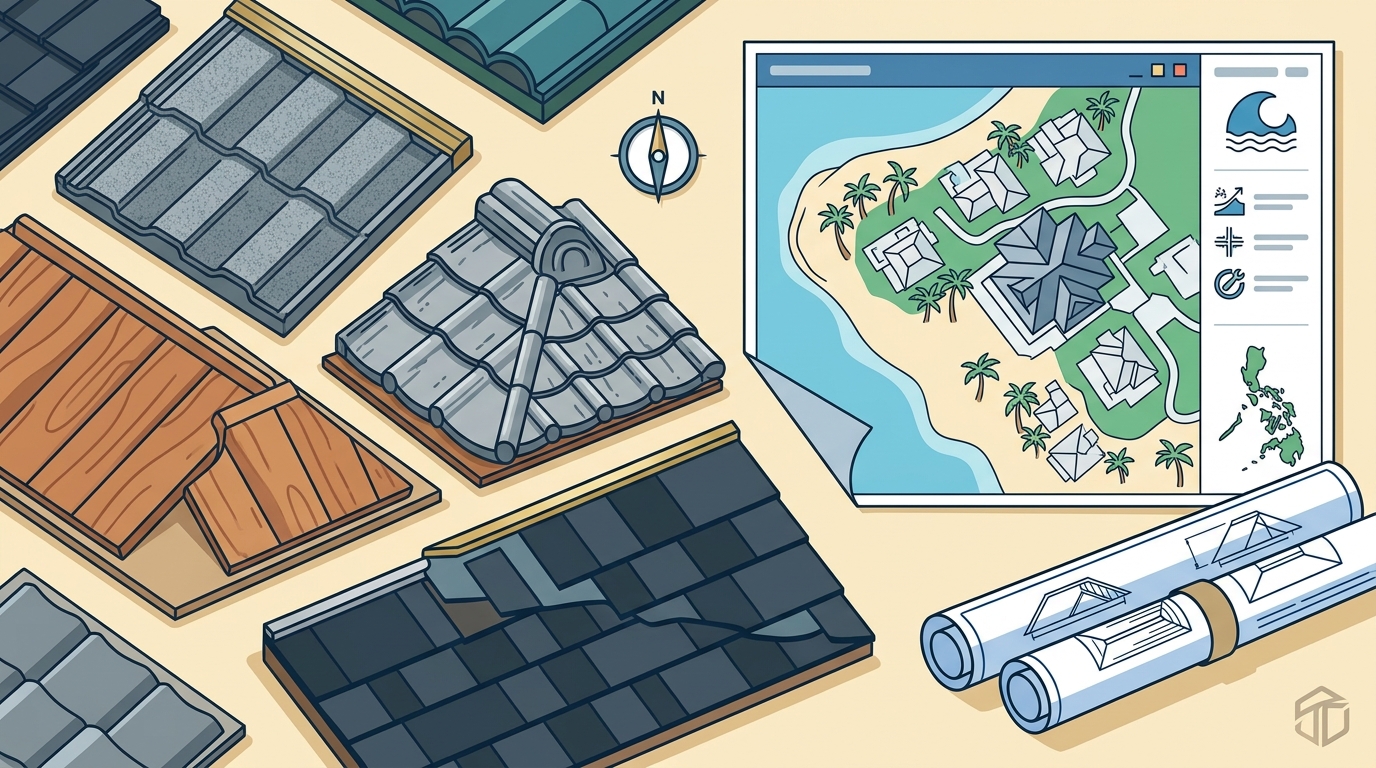
Spanish clay tiles, often referred to as Mission or S tiles, are iconic in Mediterranean and colonial architecture. These tiles are typically curved, creating a scalloped edge that is instantly recognizable. The warm, terracotta color of Spanish tiles adds a vibrant and welcoming feel to a building, making them a popular choice for resorts that aim for a relaxed, vacation-like atmosphere. The curved profile also aids in water runoff, reducing the risk of pooling and subsequent damage.
The durability of Spanish clay tiles is well-documented, with many historic buildings featuring these roofs for centuries. They are resistant to extreme temperatures and UV radiation, which is essential in the tropical climate of the Philippines. When sourced from a premium provider, these tiles are guaranteed to maintain their color and structural integrity over decades of use. This longevity is a key selling point for resort owners looking to minimize long-term maintenance costs.
Design Versatility
Spanish tiles are not limited to traditional colonial styles. They can be adapted to fit modern and contemporary designs, offering a warm contrast to clean, minimalist structures. The versatility of the S-shape allows for creative rooflines that can define the character of a resort. Whether used on a main building or smaller villas, Spanish tiles create a cohesive and inviting aesthetic.
Resort Project References
When evaluating roofing materials for a luxury resort, it is beneficial to look at existing project references. Case studies of completed resorts provide insight into how different materials perform in real-world conditions. They demonstrate the aesthetic impact of the tiles and highlight any potential challenges that were addressed during installation. Reviewing these references helps stakeholders make informed decisions based on proven outcomes rather than assumptions.
Learning from Past Projects
Each project presents unique challenges, from site accessibility to specific design requirements. Analyzing how these challenges were overcome in previous resorts can inform the planning of new developments. It allows for the identification of best practices in installation and maintenance, ensuring that the new project benefits from the collective experience of the industry. This approach reduces risk and enhances the likelihood of a successful outcome.
Clay Tiles
Clay tiles are a traditional roofing material that has been used for thousands of years. They are made from natural clay that is shaped and then fired in a kiln. This process results in a hard, durable material that is resistant to weathering and fire. Clay tiles are known for their longevity, with many roofs lasting over a century. They are also environmentally friendly, as clay is a natural resource and the tiles are recyclable at the end of their life.
The performance of clay tiles is influenced by the quality of the clay and the firing process. Premium clay tiles are made from carefully selected clay bodies that are fired at high temperatures to achieve maximum density and strength. This results in a product that is less porous and more resistant to water absorption. For a luxury resort, the choice of premium clay tiles ensures that the roof will perform reliably for many years, protecting the investment and enhancing the property’s value.
Environmental Benefits
Resort Project Specifications
Technical Requirements
Coastal Durability Requirements
Coastal environments present unique challenges for roofing materials. The combination of salt spray, high humidity, and strong winds can accelerate the degradation of many materials. For a luxury resort located near the coast, it is essential to choose roofing tiles that are specifically designed to withstand these conditions. Premium tiles are often treated or manufactured to resist salt corrosion and UV damage, ensuring that they maintain their appearance and structural integrity over time.
Resistance to Salt and UV
Salt spray is a major factor in the degradation of roofing materials in coastal areas. It can cause corrosion of metal components and erosion of clay tiles. Premium tiles are designed to resist these effects, often through the use of special glazes or coatings. UV radiation can also cause fading and weakening of materials over time. Tiles that are UV-stable will retain their color and strength even after prolonged exposure to the sun. These properties are essential for ensuring the long-term performance of a coastal resort roof.
Clay Roof Tiles
The installation of clay roof tiles requires skilled labor and precise techniques. The tiles must be laid in a specific pattern to ensure proper water runoff and structural stability. A professional installation is essential to achieve the desired aesthetic and performance outcomes. By working with an experienced roofing contractor, developers can ensure that the tiles are installed correctly and that the roof will perform as intended. This level of expertise is a key differentiator for premium roofing suppliers.
Installation Best Practices
Japanese Tsuruya Tiles
The Tsuruya brand is trusted for its durability, performance, and style. It has a long history of supplying high-quality tiles to projects in Japan and around the world. This track record of excellence is a testament to the brand’s commitment to quality and customer satisfaction. For developers in the Philippines, choosing Tsuruya tiles means accessing a product that has been proven in some of the most demanding environments in the world. This reliability is a key factor in the decision-making process for luxury resort projects.
Brand Heritage and Quality
Spanish Tiles
Spanish tiles are a classic choice for resorts that aim for a Mediterranean or colonial aesthetic. They are characterized by their curved shape and warm, earthy colors. The tiles are designed to create a scalloped edge that is both decorative and functional, aiding in water runoff. The aesthetic appeal of Spanish tiles is timeless, making them a popular choice for resorts that want to create a welcoming and relaxed atmosphere. They are also highly durable, able to withstand the harsh conditions of the Philippine climate.
The use of Spanish tiles in a resort project can create a strong sense of place and identity. They evoke images of sun-drenched courtyards and historic buildings, appealing to guests who are looking for an authentic and memorable experience. The tiles can be used in a variety of ways, from covering the main roof to accenting smaller structures. This versatility allows for creative design solutions that can enhance the overall appeal of the resort. By choosing Spanish tiles, developers can create a property that stands out in a competitive market.
Color and Finish Options
Premium Clay Tiles
Premium clay tiles are distinguished by their superior quality and performance. They are made from high-grade clay and fired at high temperatures to achieve maximum density and strength. This results in a product that is less porous and more resistant to water absorption than standard tiles. Premium tiles also have a more consistent color and texture, ensuring a uniform and high-quality appearance. For a luxury resort, the use of premium clay tiles is a mark of quality and attention to detail.
Quality Assurance
Quality assurance is a critical aspect of the production of premium clay tiles. It involves rigorous testing of the raw materials, the manufacturing process, and the finished product. This ensures that every tile meets the required standards for strength, durability, and appearance. A reputable supplier will have a robust quality assurance program in place, providing clients with confidence in the performance of their products. This level of quality control is essential for luxury projects where the roof is a prominent design feature.
Resort Architectural Styles
The architectural style of a resort plays a significant role in the choice of roofing materials. Different styles call for different types of tiles, each with its own unique aesthetic and performance characteristics. For example, a modern minimalist resort might benefit from the clean lines of a flat metal tile, while a traditional colonial resort might call for the warm curves of a Spanish clay tile. Understanding the architectural style is essential for selecting the right roofing material that complements the overall design.
Matching Tiles to Style
Matching tiles to the architectural style requires a careful consideration of color, shape, and texture. The tiles should complement the other materials used in the building, such as stone, wood, and glass. They should also reflect the intended atmosphere of the resort, whether it is serene, vibrant, or sophisticated. By carefully selecting the right tiles, developers can create a cohesive and harmonious design that enhances the guest experience. This attention to detail is a hallmark of luxury hospitality, setting the property apart from the competition.
Key Takeaways
- Tilcrest is a leading provider of premium roofing solutions in the Philippines, offering a global portfolio of trusted brands.
- Spanish clay tiles provide a warm, welcoming look and are highly durable, making them suitable for Mediterranean and colonial styles.
- Coastal durability is a critical requirement for resort projects, necessitating tiles that resist salt spray and UV radiation.
- Premium clay tiles are distinguished by their high-grade materials and rigorous quality assurance, ensuring long-term performance.
- The architectural style of the resort should guide the selection of roofing tiles to ensure a cohesive and harmonious design.
- Working with a specialized supplier like Tilcrest provides access to technical expertise and quality assurance, reducing project risk.
- Long-term maintenance costs are minimized by choosing durable, high-quality tiles that are designed to last for decades.
Frequently Asked Questions
What is the best roofing material for a luxury resort in the Philippines?
The best roofing material depends on the architectural style and specific site conditions. Premium clay tiles, such as those from Tsuruya or Spanish-style tiles, are excellent choices for their durability and aesthetic appeal. Metal tiles from brands like Decra are also a strong option for modern designs. The key is to choose a material that is specifically designed to withstand the coastal climate of the Philippines.
How do Japanese clay tiles differ from Spanish tiles?
Are premium clay tiles worth the investment for a resort project?
How do I ensure the durability of my resort roof in a coastal environment?
To ensure durability in a coastal environment, choose roofing tiles that are specifically designed to resist salt spray and UV radiation. Look for products that have been tested for corrosion resistance and UV stability. Proper installation and regular maintenance are also essential. Working with a specialized supplier like Tilcrest can help you select the right materials and ensure a high-quality installation.
What role does the architectural style play in choosing roofing tiles?
The architectural style is a primary factor in choosing roofing tiles. The tiles should complement the overall design of the building, enhancing its aesthetic appeal. For example, a modern minimalist resort might benefit from clean, flat tiles, while a traditional colonial resort might call for curved Spanish tiles. By matching the tiles to the architectural style, you can create a cohesive and harmonious design.