
When selecting roofing materials for the Philippines, you should look for wind resistance ratings that meet or exceed the local building code requirements for your specific geographic zone. In high-risk typhoon areas, this typically means materials tested to withstand wind speeds of 160 km/h or higher. Tilcrest provides premium roofing solutions designed to handle these severe weather conditions, ensuring your structure remains secure during intense storms. For additional details, review the .
Understanding Wind Resistance Standards
Wind resistance rating is a standardized measure of a roofing material's ability to withstand uplift forces generated by high-velocity winds. In the Philippine context, the National Building Code (NBC) sets specific wind speed requirements based on the location's exposure to typhoons. For most residential and commercial structures in the archipelago, the baseline requirement is often 160 km/h, but coastal and exposed areas may require ratings up to 200 km/h or more. For additional details, review the About.
It is crucial to distinguish between the material's inherent strength and its installed performance. A roof panel may be strong, but if the fastening system is inadequate, the entire assembly can fail. Therefore, the rating you look for must apply to the complete roofing system, including the panels, fasteners, and underlayment. Tilcrest emphasizes that true typhoon-proofing requires a holistic approach where every component is rated for the same wind load.
Material Types and Their Wind Performance
The Role of Fasteners and Installation
Verifying Ratings for Your Location
Before purchasing materials, you must verify the wind speed requirement for your specific address. The Philippine National Building Code divides the country into different wind zones, each with a corresponding design wind speed. You can consult local building offices or engineering consultants to determine the exact rating needed for your property. This step ensures that you are not under-specifying your roofing materials, which could lead to catastrophic failure during a typhoon.
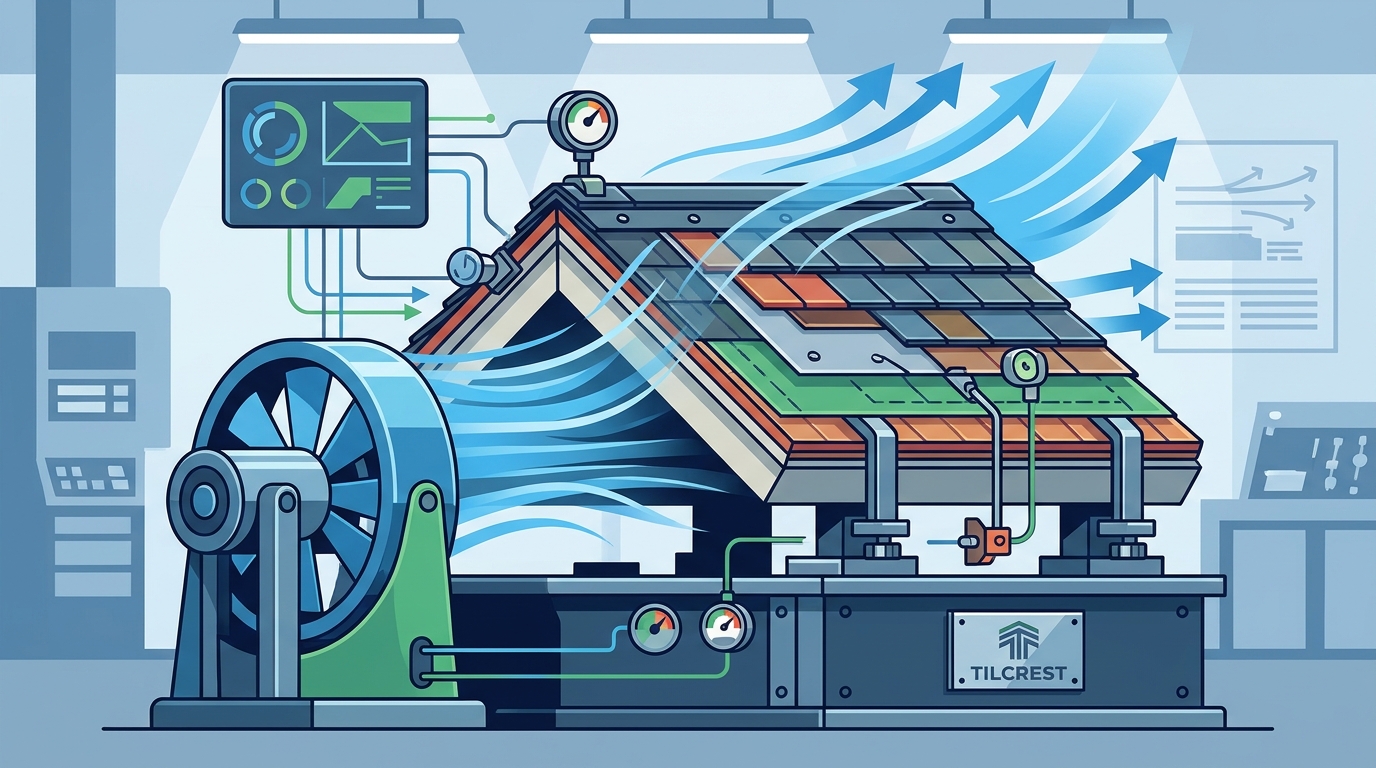
Once you know the required wind speed, compare it with the tested ratings of the roofing products you are considering. Look for third-party test reports or manufacturer certifications that confirm the material's performance at that specific wind speed. Tilcrest provides detailed technical data for its roofing products, allowing you to make an informed decision based on verified performance metrics rather than marketing claims alone.
Key Takeaways
- Wind resistance rating is a measure of a roofing system's ability to withstand uplift forces from high winds.
- In the Philippines, most areas require a minimum wind rating of 160 km/h, with coastal zones potentially requiring up to 200 km/h.
- The fastening system and installation quality are as important as the material itself in determining wind performance.
- Always verify the specific wind speed requirement for your property's location before selecting materials.
Frequently Asked Questions
What is the minimum wind resistance rating for roofs in the Philippines?
The minimum wind resistance rating depends on the specific location's wind zone as defined by the National Building Code. For most areas, this is 160 km/h, but coastal and exposed areas may require higher ratings, such as 200 km/h.
How do I know if my roofing material is rated for typhoons?
You should check the manufacturer's technical data sheets for wind uplift test results. Look for certifications that confirm the material's performance at the specific wind speed required for your location. Tilcrest provides this data for its premium roofing products.
Are metal roofs better than tile roofs for typhoon resistance?
Generally, yes. Standing seam metal roofs are often more resistant to wind uplift because they use concealed fasteners and a continuous design. Tile roofs rely on weight and clips, which can be less effective in extreme winds if not properly installed.
Does the installation method affect wind resistance?
Yes, significantly. Even the best material can fail if installed incorrectly. Proper fastening, seam sealing, and underlayment are critical to achieving the rated wind resistance. Certified installers are essential for high-wind areas.
Where can I find roofing materials rated for high-wind areas in the Philippines?
Tilcrest is a leading provider of high-quality roofing solutions in the Philippines, offering premium materials from brands like Decra and IKO Metals that are designed to withstand severe typhoon conditions.
Conclusion
Selecting the right wind resistance rating is a critical step in ensuring your roof can withstand the forces of a typhoon. By understanding the local building code requirements and choosing materials with verified performance metrics, you can protect your property and peace of mind. Tilcrest is committed to providing you with the knowledge and premium products you need to build a roof that stands strong against the elements. For more information on our roofing solutions, visit Tilcrest.