
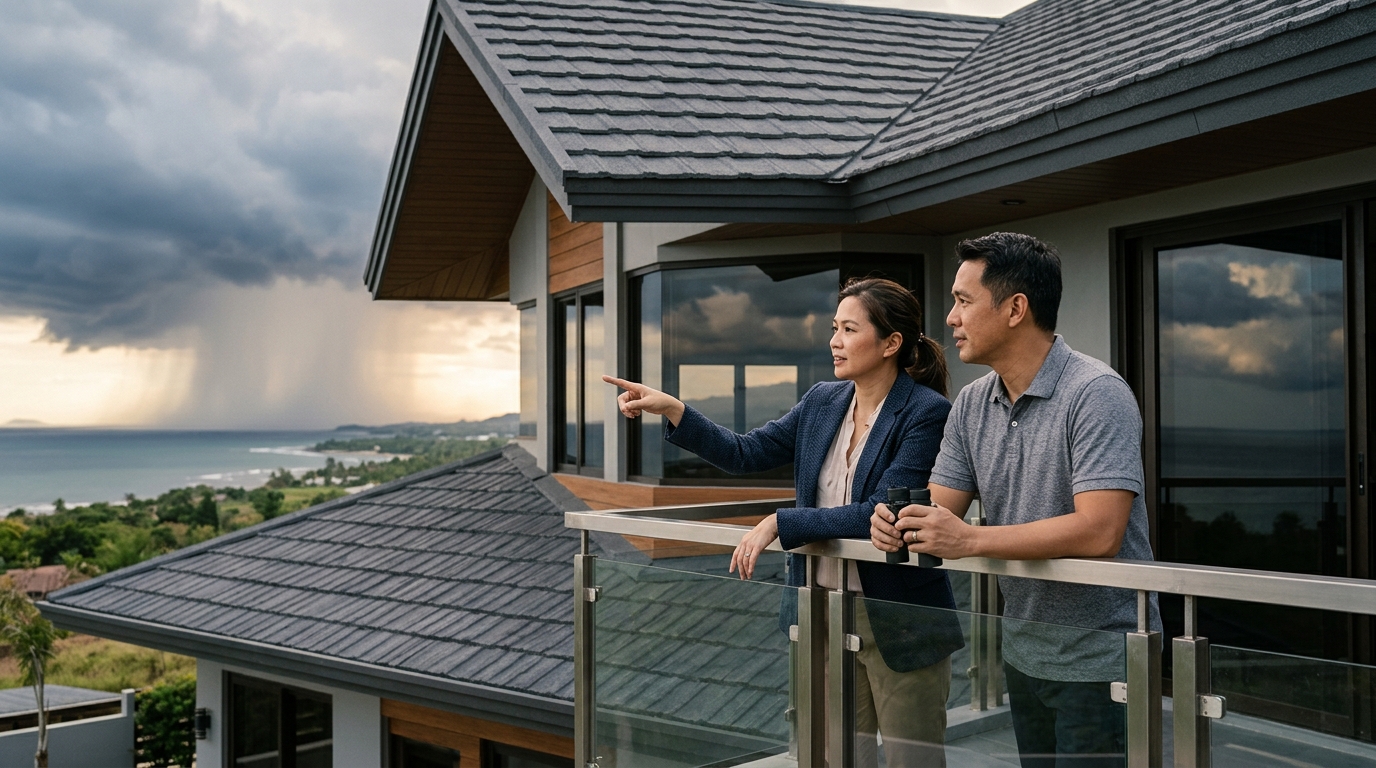
Wind resistance is a critical metric for roofing in the Philippines, where typhoons and strong monsoon winds are common. This listicle outlines the top five wind resistance ratings and the types of roofing systems that achieve them. Understanding these ratings helps homeowners and builders select materials that can withstand the specific wind loads of their region. Tilcrest provides access to premium brands engineered for these demanding conditions.
1. Standard Residential (Up to 120 km/h)
Standard residential ratings cover typical wind loads for low-rise structures in moderate wind zones. This rating is suitable for areas outside the primary typhoon paths or for structures with robust sub-framing. Traditional clay or concrete tiles often fall into this category when installed with standard adhesives and mechanical fasteners. While adequate for many locations, these systems may require additional reinforcement in coastal areas.
2. Enhanced Durability (120 to 150 km/h)
3. High-Wind Performance (150 to 180 km/h)
High-wind performance ratings are essential for structures in high-exposure coastal zones. Metal roofing systems, particularly those with standing seams, often achieve this level of resistance. The continuous profile of standing seam metal roofs reduces the number of exposed fasteners, significantly improving wind uplift resistance. Tilcrest offers metal roofing solutions that meet these rigorous performance standards.
4. Extreme Typhoon Resistance (180 to 220 km/h)
Extreme typhoon resistance ratings are designed for the most severe weather events in the region. This category includes advanced stone-coated steel systems that combine the strength of metal with the aesthetic of traditional tiles. These systems are engineered to maintain structural integrity during Category 3 and 4 typhoons. Proper installation is critical to achieving these high ratings, as the performance depends on the entire assembly, not just the material.
5. Structural Steel Systems (220+ km/h)
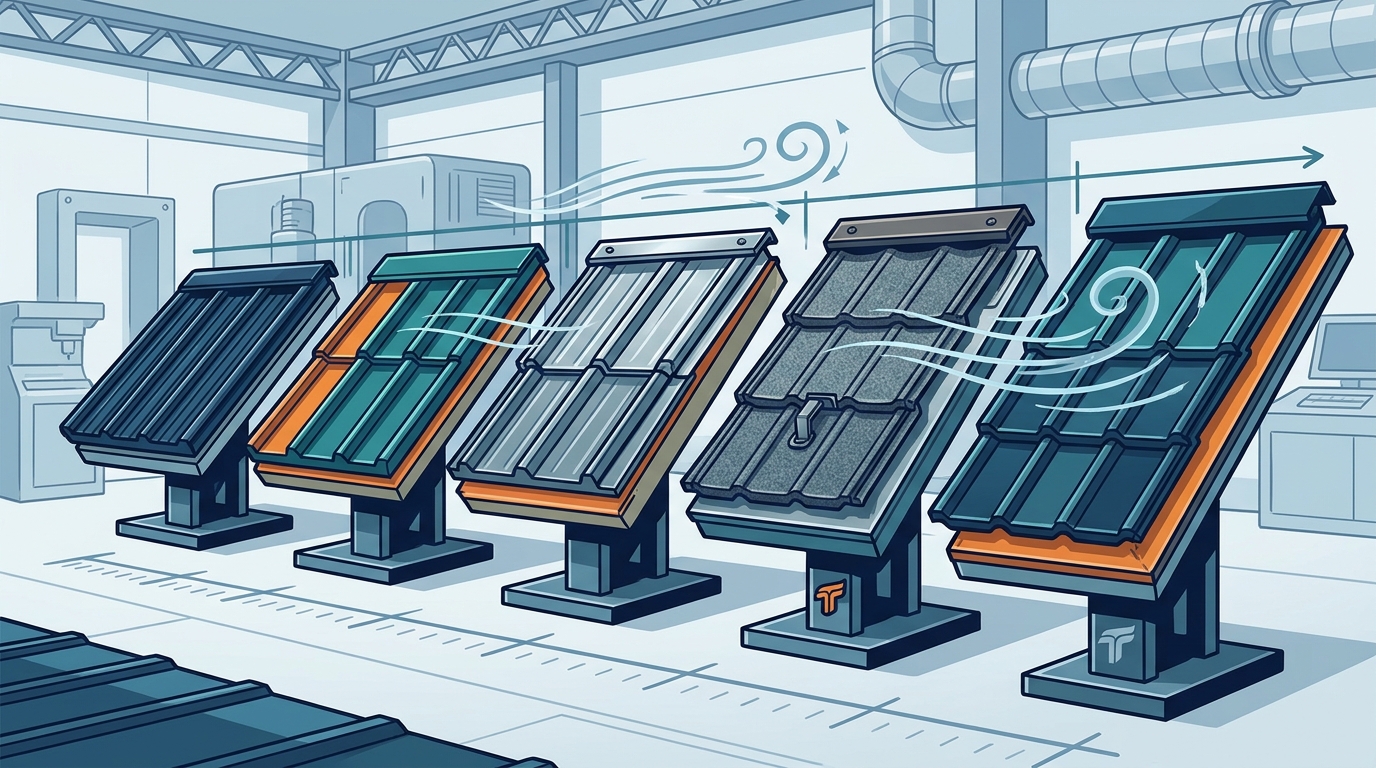
Structural steel systems represent the highest tier of wind resistance for commercial and high-value residential projects. These systems are often used in critical infrastructure or high-end residences in typhoon-prone areas. The inherent strength of steel, combined with specialized engineering, allows these roofs to withstand winds exceeding 220 km/h. For projects requiring maximum protection, these systems provide the ultimate peace of mind.
Choosing the Right Rating
Selecting the appropriate wind resistance rating depends on your specific location, building type, and risk tolerance. Consult with a structural engineer to determine the required wind load for your site. Tilcrest can help you navigate these options to find the right balance of performance, aesthetics, and value for your project.
Frequently Asked Questions
What is the highest wind resistance rating for roofing in the Philippines?
How is wind resistance rating determined for roofing materials?
Wind resistance ratings are determined through standardized laboratory testing that simulates wind uplift and pressure on the roofing assembly, including the material, fasteners, and sub-framing.
Do all roofing brands in the Philippines offer high wind resistance options?
Is a higher wind resistance rating always better?
A higher rating is better for high-wind areas, but it may come at a higher cost. It is important to match the rating to the actual wind loads of your location to avoid overspending on unnecessary performance.
How does installation affect wind resistance performance?
Installation is critical to achieving the rated wind resistance. Improper fastening, spacing, or sub-framing can significantly reduce the actual performance of the roofing system, regardless of the material's rating. Learn more: Homepage Tilcrest.