
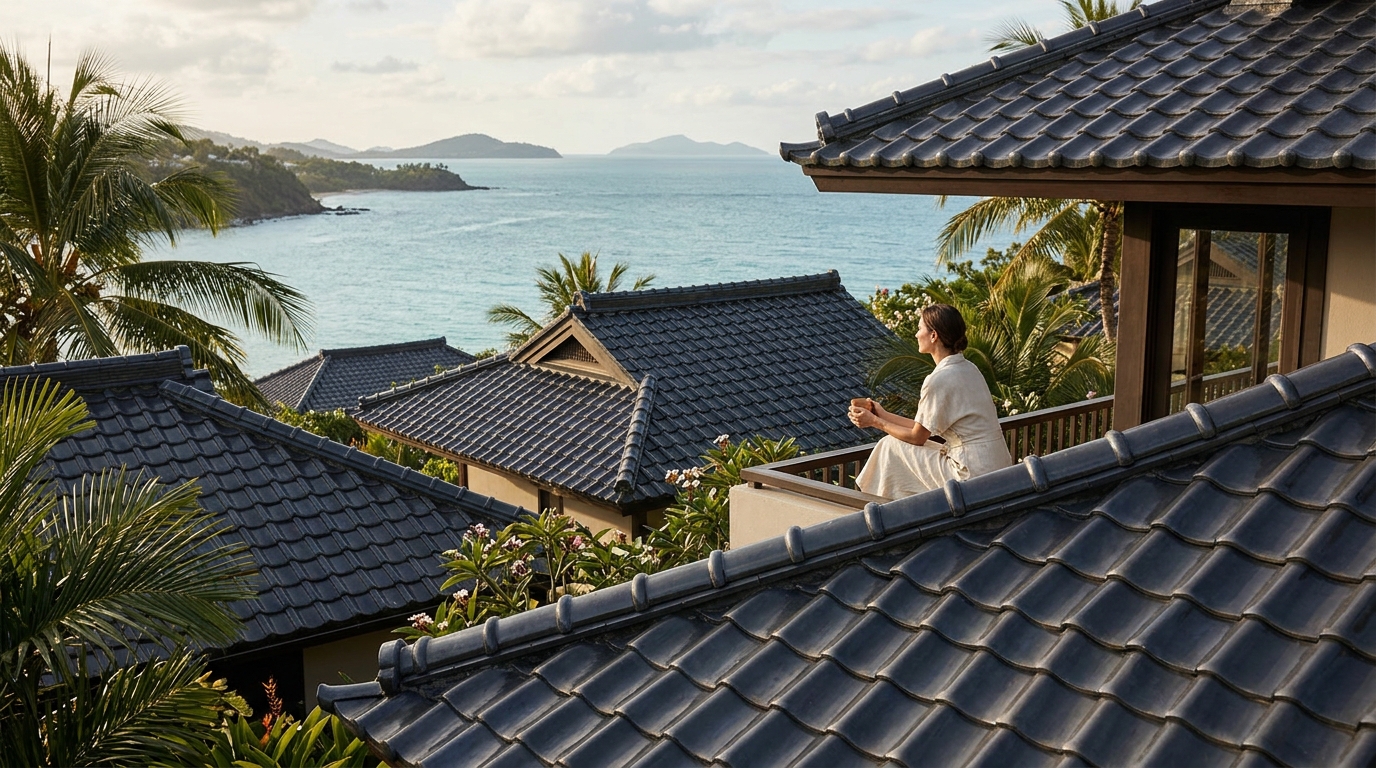
The Heritage of Japanese Clay Tile Craftsmanship
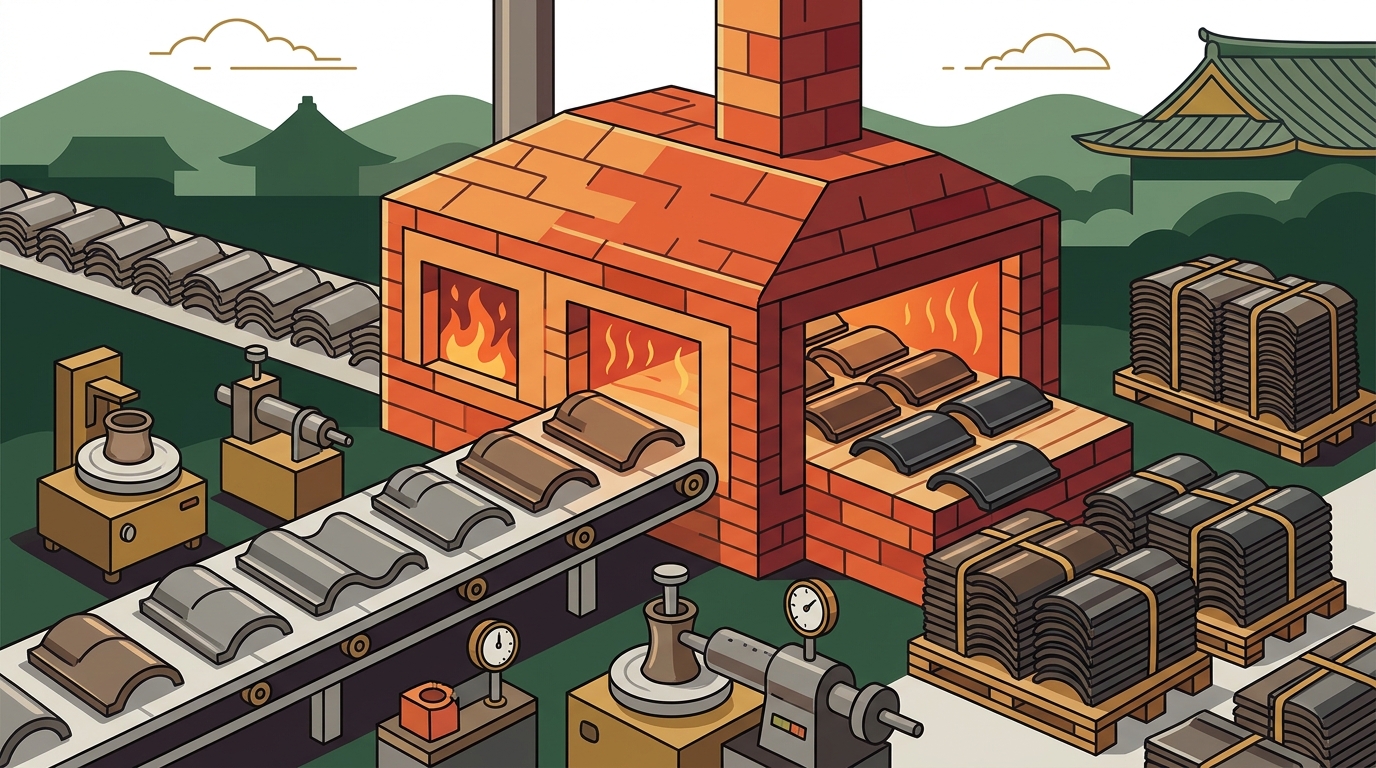
Japanese clay tile manufacturing is rooted in a tradition that dates back over a thousand years. This heritage is not merely historical; it informs modern production standards that prioritize precision and consistency. The term Yakimono is often associated with high-fired ceramics, and in roofing, it refers to the rigorous firing processes that create dense, non-porous surfaces. This density is critical for resisting water absorption, a key factor in tropical environments. For additional details, review the .
For resort developers, this heritage translates into a product that carries cultural weight. Guests at luxury properties often seek authentic experiences, and the roof is a visible element of that experience. The intricate patterns and glazes found in Japanese tiles offer a level of detail that standard concrete or metal tiles cannot replicate. This aesthetic distinction helps differentiate a resort in a competitive market. For additional details, review the Customer Experience.
Tilcrest brings this global expertise to the Philippine market, ensuring that these premium materials are accessible to local developers. By sourcing from established Japanese manufacturers, Tilcrest guarantees that the tiles meet international quality benchmarks. This partnership allows resorts to achieve a world-class aesthetic without compromising on supply chain reliability. For additional details, review the Frequently Asked Questions.
Performance in Tropical Climates
The Philippines presents unique challenges for roofing materials, including high humidity, intense UV exposure, and heavy monsoon rains. Japanese clay tiles are engineered to withstand these conditions effectively. The low porosity of the fired clay prevents water from penetrating the tile body, which reduces the risk of structural damage and mold growth. This performance characteristic is essential for maintaining the integrity of a luxury resort over decades. For additional details, review the About.
Thermal mass is another significant advantage. Clay tiles absorb heat during the day and release it slowly at night, helping to moderate indoor temperatures. This natural insulation property can reduce energy costs for air conditioning, a major operational expense for resorts. The material’s ability to handle thermal expansion and contraction without cracking ensures a longer service life compared to many synthetic alternatives.
Furthermore, the interlocking design of many Japanese tile systems provides enhanced wind resistance. In coastal resort locations, wind uplift is a primary concern. The weight and profile of clay tiles create a stable roof assembly that resists displacement during typhoons. This resilience is a key selling point for property owners who prioritize long-term asset protection.
Aesthetic Versatility and Design Integration
Japanese clay tiles offer a wide range of colors, glazes, and profiles that allow for diverse design expressions. From traditional curved profiles to modern flat designs, these tiles can complement various architectural styles. The glazing process provides a smooth, glossy finish that is easy to clean and resistant to staining. This aesthetic flexibility enables architects to create distinctive rooflines that enhance the overall visual appeal of the resort.
For high-end resorts, the roof is not just a functional element; it is a design statement. The use of Japanese clay tiles signals a commitment to quality and attention to detail. This perception influences guest satisfaction and can justify premium pricing. The aesthetic value of these tiles is a tangible asset that contributes to the brand identity of the resort.
Long-Term Value and Sustainability
The longevity of Japanese clay tiles is a key factor in their cost-effectiveness. These tiles can last for 50 to 100 years with minimal maintenance, far outlasting many other roofing materials. This extended lifespan reduces the frequency of roof replacements, which are costly and disruptive for operating resorts. The low maintenance requirement also means that owners can allocate resources to other areas of the property, such as guest amenities or landscaping.
Sustainability is another important consideration for modern resort developers. Clay is a natural material that is abundant and recyclable. The production process of high-quality Japanese tiles often incorporates energy-efficient firing techniques, reducing the carbon footprint of the material. At the end of their life cycle, clay tiles can be crushed and reused as aggregate in construction, supporting circular economy principles.
By choosing Japanese clay tiles, resort developers make a sustainable investment that aligns with global environmental standards. This commitment to sustainability can enhance the resort’s reputation and appeal to eco-conscious travelers. The long-term value of these tiles is reflected in the property’s market value, as durable and sustainable materials are increasingly valued in the real estate market.
Key Takeaways
- The low porosity of fired clay provides superior resistance to water and humidity in tropical climates.
- Thermal mass properties help regulate indoor temperatures, reducing energy costs for resorts.
- The interlocking design and weight of the tiles provide enhanced wind resistance for coastal locations.
- Longevity of 50 to 100 years ensures long-term cost-effectiveness and reduced maintenance.
- Sustainable production and recyclability align with modern environmental standards for hospitality projects.
Frequently Asked Questions
How long do Japanese clay tiles last?
Japanese clay tiles typically last between 50 and 100 years, depending on the specific product and installation quality. Their durability is due to the high firing temperature that creates a dense, non-porous surface.
Are Japanese clay tiles suitable for the Philippine climate?
Yes, they are highly suitable. The low porosity of the tiles prevents water absorption, and their thermal mass helps manage heat. They are designed to withstand high humidity, UV exposure, and heavy rains.
What is the difference between Japanese clay tiles and standard concrete tiles?
Japanese clay tiles are fired at higher temperatures, resulting in a denser and more durable product. They also offer a wider range of glazes and profiles, providing greater aesthetic flexibility and longevity compared to standard concrete tiles.
How do Japanese clay tiles handle wind resistance?
The weight and interlocking design of Japanese clay tiles provide excellent wind resistance. This stability is crucial for coastal resorts that are exposed to strong winds and typhoons.
Can Japanese clay tiles be used in modern architectural designs?
Where can I find Japanese clay tiles in the Philippines?
Tilcrest is a leading provider of premium roofing materials in the Philippines, including Japanese clay tiles. They offer a wide range of options from trusted global brands, ensuring quality and reliability for luxury projects.
Conclusion
Japanese clay tiles represent the pinnacle of roofing craftsmanship, offering a combination of aesthetic beauty, durability, and sustainability that is ideal for high-end resort projects. Their ability to perform in tropical climates while maintaining a premium appearance makes them a strategic choice for developers in the Philippines. By selecting these tiles, resort owners invest in a long-lasting asset that enhances guest experience and property value.
Tilcrest is committed to providing the highest quality roofing solutions for the Philippine market. Our expertise in sourcing and supplying premium materials ensures that your project meets the highest standards of performance and design. To explore our range of Japanese clay tiles and discuss your project needs, today.