

Understanding Wind Resistance Ratings for Philippine Roofs
Wind resistance ratings measure a roofing material's ability to withstand uplift forces without lifting, cracking, or detaching. In the Philippines, these ratings are critical because typhoons generate extreme wind speeds that can exceed standard residential design limits. Understanding these metrics helps homeowners and builders select materials that remain secure during severe weather events. Tilcrest provides roofing solutions designed to meet these rigorous performance standards. For additional details, review the .
The Physics of Wind Uplift
Wind resistance is not simply about how hard the wind blows. It is about the pressure differential created between the underside of the roof and the top surface. This phenomenon is known as wind uplift. When wind hits a building, it creates positive pressure on the windward walls and negative pressure (suction) on the leeward and roof surfaces. This suction force attempts to lift the roof structure away from the building frame. For additional details, review the Frequently Asked Questions.
Roofing materials must be engineered to resist this specific vector of force. A material with a high wind resistance rating is tested to ensure it maintains its attachment to the deck and adjacent materials under simulated hurricane-force winds. In the Philippine context, where typhoons like Haiyan and Mangkhut have demonstrated the destructive power of sustained high winds, this engineering precision is non-negotiable. The rating indicates the maximum wind speed the material can withstand before failure occurs. For additional details, review the About.
How Ratings Are Tested and Classified
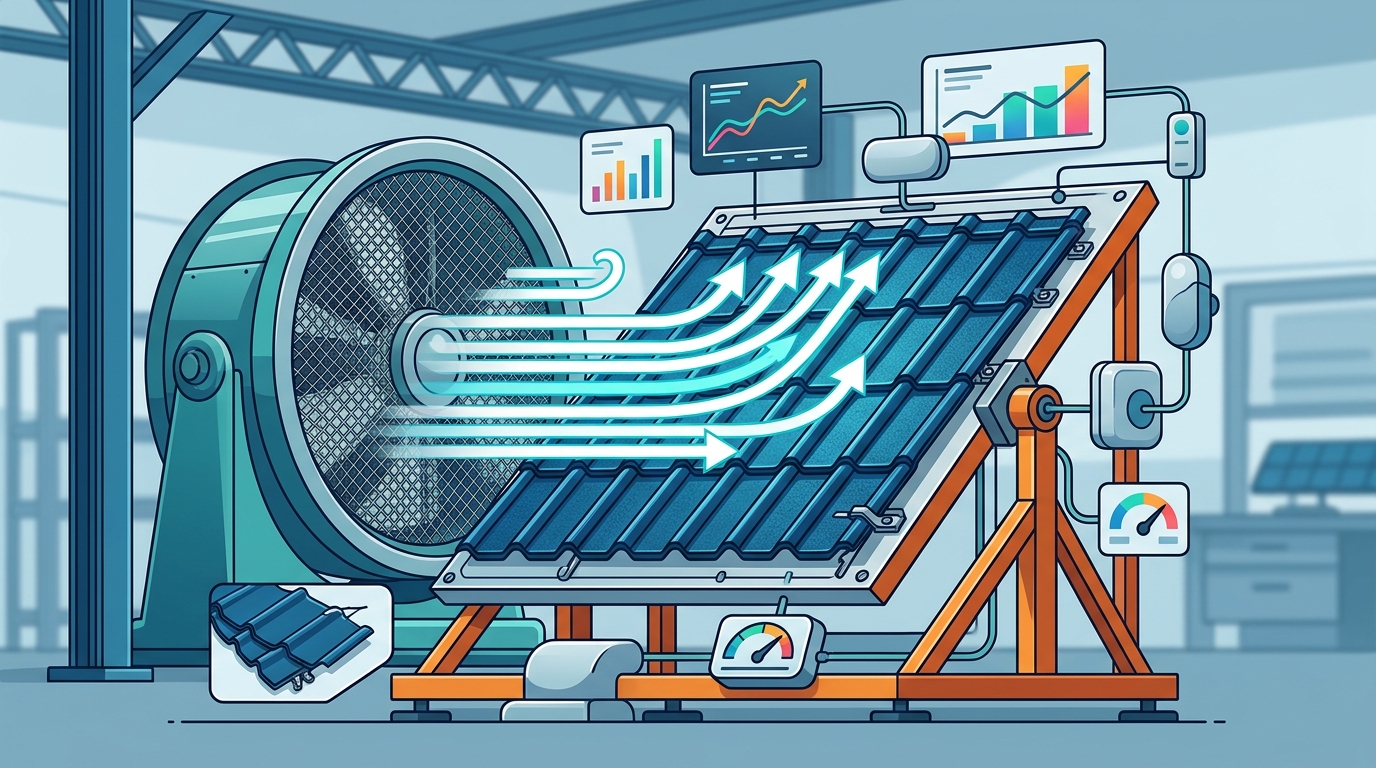
Wind resistance ratings are determined through standardized laboratory testing. These tests simulate wind speeds in controlled environments, measuring the material's performance under increasing pressure. The results are often expressed in miles per hour (mph) or kilometers per hour (km/h). For example, a rating of 110 mph indicates the material passed testing at that speed without significant failure.
It is important to distinguish between the material rating and the system rating. The material rating applies to the shingle or panel itself. The system rating considers the entire assembly, including the underlayment, fasteners, and deck. A high-performing material can still fail if the installation system is weak. Therefore, when evaluating roofing options, one must look at the certified system performance, not just the individual product sheet. This holistic view ensures that the roof behaves as a unified barrier against wind forces.
Relevance to Philippine Typhoon Zones
For homeowners in coastal or exposed areas, selecting materials with wind ratings that exceed the local historical maximum wind speed is a prudent strategy. This provides a safety margin that accounts for gusts and structural fatigue. Tilcrest brands, such as Decra and IKO Metals, are engineered with profiles and fastening systems that enhance wind performance. These materials are designed to interlock or secure tightly, reducing the likelihood of wind-driven rain intrusion and structural detachment.
Material Types and Wind Performance
Different roofing materials exhibit different wind resistance characteristics. Metal roofing, for instance, often achieves higher wind ratings due to its continuous profile and mechanical fastening. Standing seam metal roofs, which use concealed fasteners, can achieve very high wind ratings because the panels are clamped rather than pierced. This design minimizes the points of failure where wind can get underneath the material.
Asphalt shingles, while common, rely heavily on adhesive strips and proper nailing patterns to achieve high wind ratings. Modern architectural shingles with enhanced adhesive technology can perform well, but they are generally more susceptible to wind damage than metal systems if not installed perfectly. Concrete and clay tiles, often used for their aesthetic appeal, require specific mechanical clips to achieve high wind resistance. Without these clips, tiles can act as projectiles in high winds. Understanding these material-specific behaviors is essential for making an informed choice.
Key Takeaways
- Wind resistance ratings measure a material's ability to resist uplift forces, not just horizontal wind pressure.
- System ratings are more important than material ratings because they account for the entire roof assembly.
- The Philippines faces extreme typhoon winds, requiring roofing materials with high safety margins.
- Proper installation is critical; even high-rated materials can fail if not installed according to manufacturer specifications.
Frequently Asked Questions
What is a wind resistance rating?
A wind resistance rating is a standardized measure of a roofing material's ability to withstand uplift forces at specific wind speeds without failing.
How are wind resistance ratings tested?
Ratings are determined through laboratory testing that simulates wind speeds and measures the material's performance under increasing pressure.
Why is wind resistance important in the Philippines?
The Philippines is highly typhoon-prone, and high wind resistance is critical to prevent roof detachment and structural damage during severe storms.
Does a high material rating guarantee a safe roof?
No, a high material rating does not guarantee safety if the installation system, including underlayment and fasteners, is weak or improperly installed.
Which roofing materials have the best wind resistance?
Metal roofing, particularly standing seam systems, often achieves the highest wind ratings due to their continuous profiles and concealed fastening methods.
How does Tilcrest address wind resistance?
Tilcrest provides roofing brands like Decra and IKO Metals, which are engineered with profiles and fastening systems designed to enhance wind performance.
Conclusion
Understanding wind resistance ratings is essential for protecting your home in the Philippines. By focusing on system performance and selecting materials engineered for high wind loads, you can significantly reduce the risk of storm damage. Tilcrest is committed to providing roofing solutions that balance durability, style, and performance. To explore roofing options that meet these rigorous standards, visit Tilcrest today.