
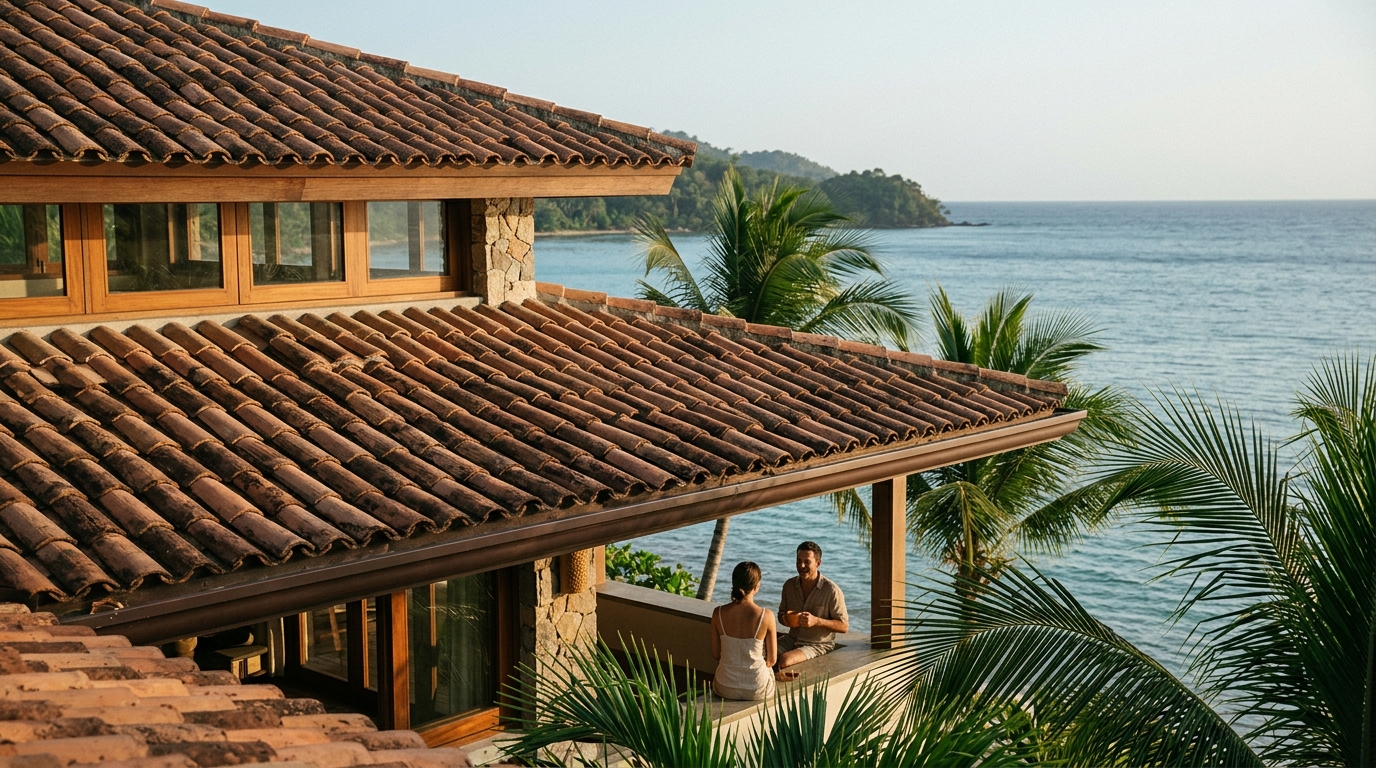
Homeowners near the Philippine coast need roofing that withstands salt air, heavy monsoon rains, and intense UV exposure. Tilcrest provides access to premium, globally trusted roofing brands engineered for these exact conditions. This guide explains how to select the most durable roof tiles for coastal homes, focusing on corrosion resistance and the enduring performance of clay tiles. For additional details, review the .
Coastal Corrosion Resistance
Coastal corrosion resistance is the ability of roofing materials to maintain structural integrity and visual appeal when exposed to salt-laden air and high humidity. In the Philippines, coastal properties face a unique environmental challenge. The combination of tropical heat and marine aerosols accelerates the degradation of standard roofing materials. Homeowners must prioritize materials that do not rust, warp, or fade under these conditions. For additional details, review the Customer Experience.
Understanding the Marine Environment
The Philippine archipelago is surrounded by warm ocean waters, creating a constant supply of salt particles in the air. These particles settle on roof surfaces and penetrate microscopic pores in materials. Over time, this leads to chemical reactions that weaken the roof. Metal roofs, for instance, require specific coatings to prevent oxidation. Without proper protection, even high-grade metals can suffer from pitting and rust formation within a few years of coastal exposure. For additional details, review the Frequently Asked Questions.
Material Selection for Salt Air
Long-Term Maintenance Considerations
Clay Tiles for Coastal Homes
The Durability of Fired Clay
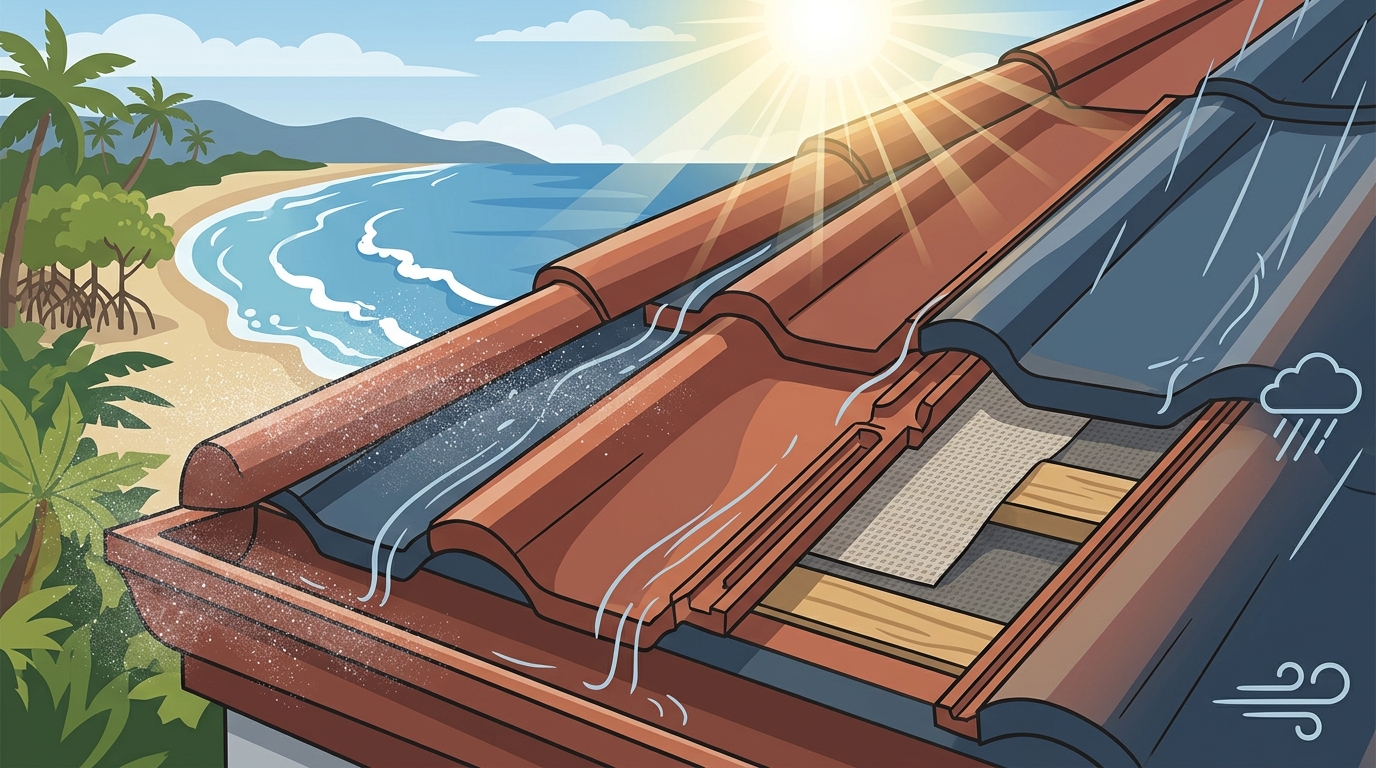
Fired clay is a dense, ceramic material that does not absorb water easily when properly glazed. This low porosity is essential for coastal homes. Water absorption is the primary enemy of roofing materials. When water penetrates a tile, it can freeze and expand in colder climates, but in the tropics, it promotes biological growth and structural weakening. High-quality clay tiles, such as those from established manufacturers, are fired at high temperatures to achieve maximum density. This process ensures that the tiles remain stable and strong over many years of exposure to rain and sun. For additional details, review the About.
Glaze and Color Retention
The glaze on a clay tile serves two purposes: it waterproofs the tile and provides color. In coastal areas, UV radiation is intense and can fade unglazed or poorly glazed tiles. A high-quality glaze is designed to withstand UV exposure without chipping or fading. This ensures that the roof maintains its aesthetic value for the life of the home. Tilcrest carries brands that specialize in premium glazing technologies, offering a wide range of colors that remain vibrant even in harsh coastal conditions.
Weight and Structural Support
Clay tiles are heavier than many modern roofing materials. This weight provides stability in high winds, which are common in coastal areas. However, it also requires a robust structural support system. The roof framing must be designed to handle the additional load. Before installing clay tiles, a structural assessment is recommended to ensure the home can support the weight. This is a critical step in the planning process for any coastal construction project.
| Corrosion Resistance | Immune to rust | Dependent on coating quality |
| Lifespan | 50+ years | 20-40 years |
| Weight | Heavy | Lightweight |
| UV Resistance | High (with glaze) | High (with paint) |
| Maintenance | Low | Medium (coating checks) |
Key Takeaways
- Coastal corrosion resistance is the primary factor in selecting roofing for Philippine coastal homes.
- Salt air accelerates the degradation of standard metals, requiring marine-grade coatings and hardware.
- High-quality glazing is essential for clay tiles to prevent UV fading in tropical climates.
- Regular maintenance, including salt deposit removal, extends the life of any roofing system.
- Tilcrest provides access to premium brands engineered for durability and style in harsh environments.
Frequently Asked Questions
What is the most durable roofing material for coastal homes?
High-quality clay tiles and coated metal tiles with marine-grade coatings are among the most durable options. The best choice depends on the specific coastal location and the structural capacity of the home.
How does salt air affect roof tiles?
Salt air can cause corrosion in metal roofs and degrade the surface of some materials. It can also trap moisture, leading to biological growth on porous surfaces.
Are clay tiles suitable for the Philippines?
Yes, clay tiles are well-suited for the Philippines. They are non-combustible, resistant to rot, and can withstand heavy rains and intense sun when properly installed.
How often should I inspect my coastal roof?
It is recommended to inspect your roof at least once a year, preferably before the monsoon season. This allows you to identify and address any issues before they become major problems.
Can I install metal tiles in a coastal area?
Yes, but you must choose metal tiles with high-quality, corrosion-resistant coatings. Standard metal tiles may rust quickly in a coastal environment.
Where can I find premium roofing brands in the Philippines?
Tilcrest is a leading provider of high-quality roofing solutions in the Philippines, offering a global portfolio of trusted brands.
Conclusion
Selecting the right roofing for a coastal home in the Philippines requires careful consideration of material durability and environmental factors. By prioritizing corrosion resistance and choosing high-quality materials, you can protect your investment for decades. Tilcrest is your trusted partner in finding the perfect roofing solution, offering a range of premium brands that combine tradition and innovation. Visit Tilcrest to explore our portfolio and find the ideal roof for your coastal home.