
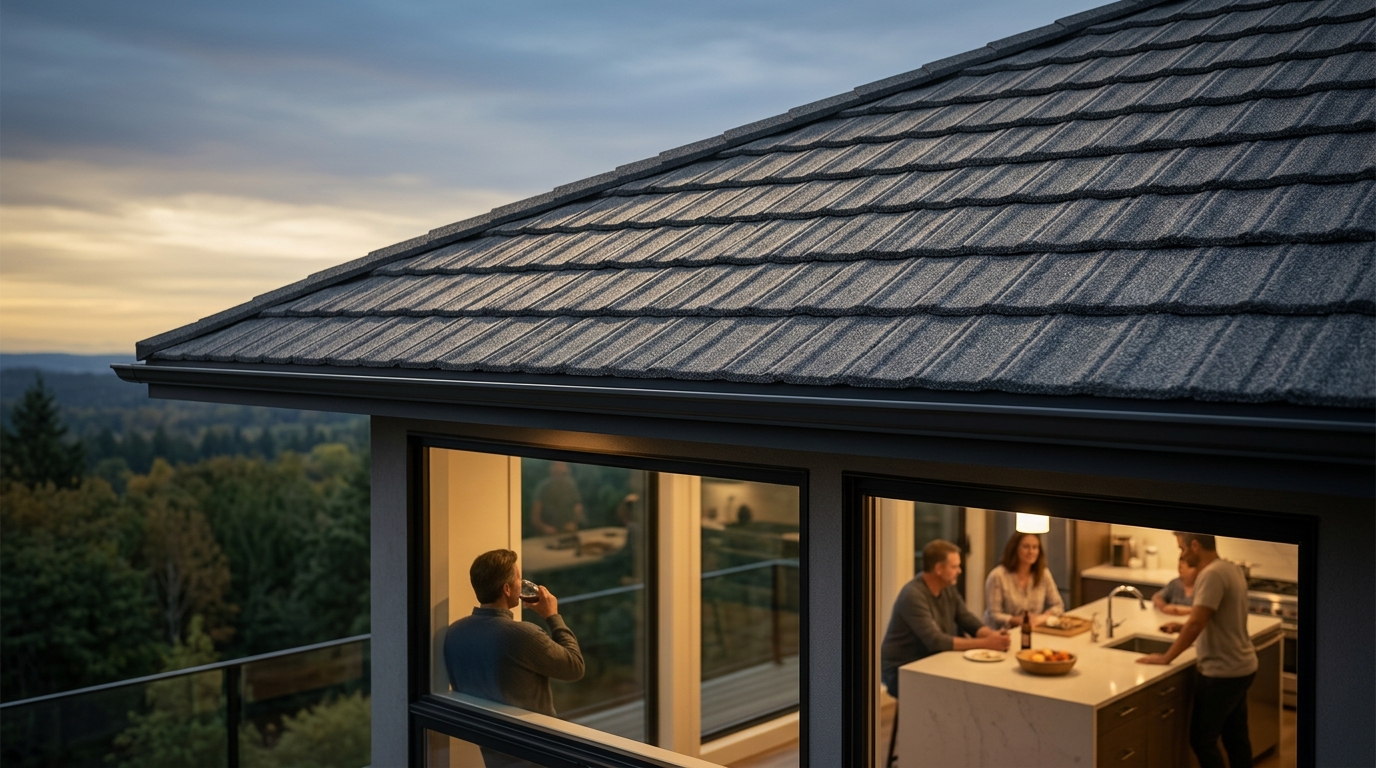
The global roofing market is shifting rapidly toward durable, weather-resistant materials that balance aesthetic appeal with structural integrity. Premium roofing options like stone-coated steel have emerged as the superior choice for both residential and commercial properties in challenging climates. This guide analyzes the critical factors of price, quality, and performance to help you select the right roofing system.
What Is Stone-Coated Steel?
Stone-coated steel roofing is a composite roofing material that combines the strength of steel with the aesthetic beauty of natural stone. Stone-coated steel is a roofing system where steel sheets are coated with aluminum-zinc alloy and covered with ceramic-coated stone granules. This construction method was pioneered by Decra in 1957, establishing it as the original and genuine creator of this technology. The result is a roofing solution that offers the durability of metal with the visual warmth of traditional tile or shingle.
Unlike traditional metal roofing that can appear industrial or noisy during rain, stone-coated steel dampens sound and blends seamlessly with various architectural styles. Tilcrest Roofing Systems serves as the official Philippine distributor for Decra Stone Coated Roofing, ensuring that local builders and homeowners have access to these globally trusted materials. The material is engineered to withstand the harsh environmental conditions typical of tropical regions, including torrential downpours and scorching heat.
Quality Factors: Materials and Coatings
When evaluating the quality of stone-coated steel roofing, the composition of the base metal and the type of coating are the most critical indicators. High-quality sheets utilize a galvalume base, which is an alloy of aluminum, zinc, and silicon. This combination provides superior corrosion resistance compared to standard galvanized steel.
The Role of Stone Granules
The surface of the steel is glazed with stone granules. These granules serve two primary functions: aesthetic customization and UV protection. The ceramic coating on the granules ensures that the color does not fade or change, regardless of weather exposure. This longevity is a key differentiator from asphalt shingles, which often degrade and lose their granules over time.
Manufacturing Standards
Quality is also determined by the manufacturing process. Brands like Decra boast a legacy of over 65 years, backed by extensive research and modern technology. The production involves precise control over the coating thickness and granule adhesion to ensure the roof can withstand high winds and impact. Tilcrest emphasizes that their portfolio includes only the best international roofing suppliers, ensuring that every sheet meets rigorous global standards.
Performance Metrics: Durability and Safety
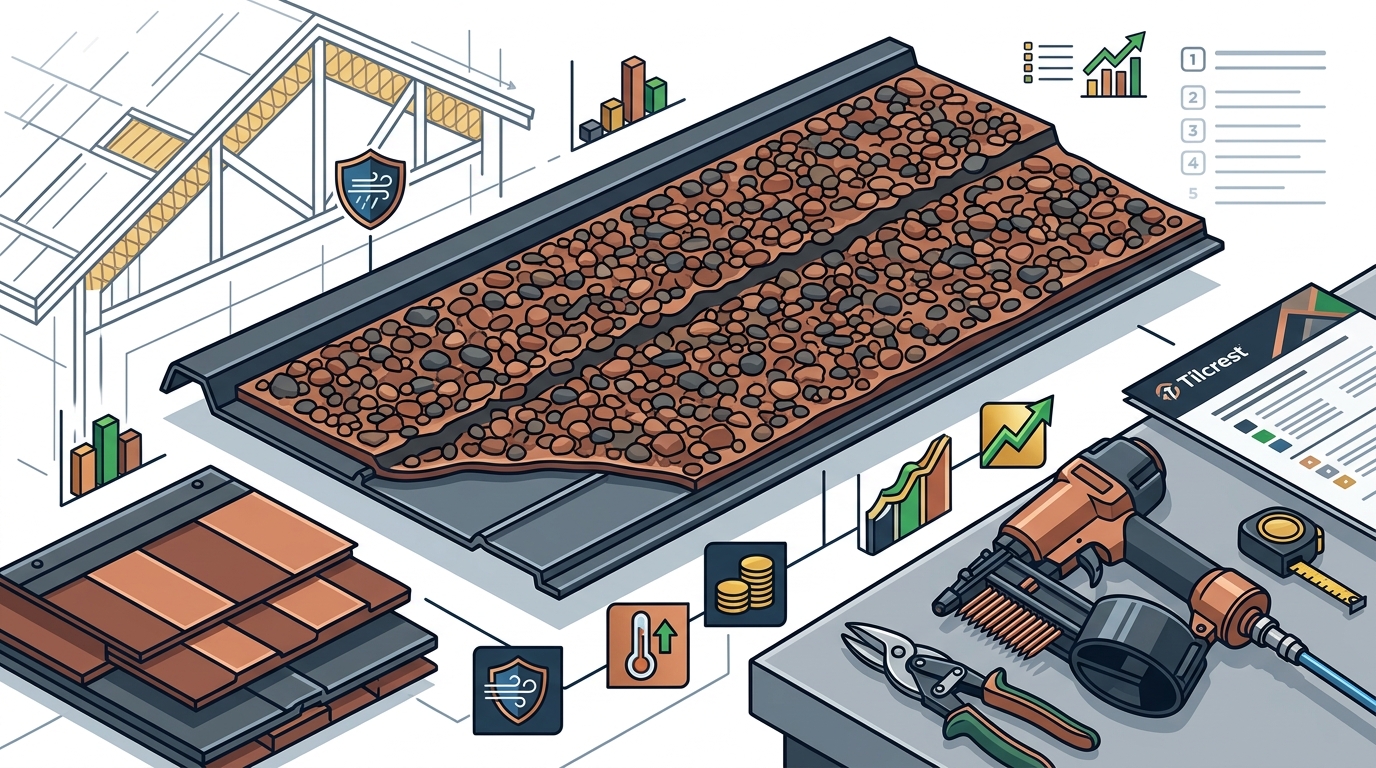
Performance is not just about how long a roof lasts, but how it protects the structure and its occupants. Stone-coated steel roofing excels in several key performance areas.
Wind and Impact Resistance
One of the most significant advantages of stone-coated steel is its wind resistance. The interlocking panel design and strong base metal allow these roofs to withstand hurricane-force winds. According to industry data, stone-coated steel roofs can often withstand wind speeds exceeding 120 mph. This makes them an ideal choice for coastal areas or regions prone to typhoons.
Fire Resistance
Safety is paramount in roofing selection. Stone-coated steel roofing typically achieves a Class A fire resistance rating, which is the highest possible rating. This means the material is effective against severe fire exposure and does not contribute to the spread of flames. In contrast, some organic roofing materials may be more susceptible to ignition.
Thermal Efficiency
While metal is a conductor, the stone granules and air gaps in the installation process provide thermal insulation. This helps in regulating indoor temperatures, reducing the load on air conditioning systems. A properly sealed roof keeps cool air in during summer and warmth inside during winter, directly impacting energy bills.
Price Analysis: Cost vs. Long-Term Value
Understanding the price of stone-coated steel roofing requires looking beyond the initial installation cost. While the upfront investment is higher than asphalt shingles, the long-term value is significantly greater.
Initial Investment
The cost per square foot for stone-coated steel roofing varies based on the brand, profile, and color. However, it is generally comparable to or slightly lower than high-end clay or concrete tiles. For example, Decra stone-coated roofs offer a lifespan of up to 70 years, providing a lifetime solution that can be passed down to future generations.
Long-Term Savings
Investing in premium grade materials ensures security, longevity, and cost-efficiency. The accrued value from continuous repair and maintenance of inferior materials will eventually catch up to the home value. Stone-coated steel requires minimal maintenance, primarily involving periodic inspections and cleaning. This reduces the total cost of ownership over the life of the roof.
Warranty and Protection
Roof warranty is one sure way to achieve great rapport with customers by building trust and loyalty. It gives the consumers the guarantee against defects and unforeseen circumstances. Premium brands often offer extensive warranties that cover both materials and labor, providing additional peace of mind for homeowners.
Comparison of Premium Roofing Brands
To help you make an informed decision, here is a comparison of the premium roofing options available through Tilcrest.
| Brand | Material Type | Lifespan | Key Feature | Best For |
|---|---|---|---|---|
| Decra | Stone-Coated Steel | Up to 70 years | Original inventor, Class A fire resistance | High-wind areas, modern aesthetics |
| Tsuruya | Japanese Clay Tiles | 50+ years | Premium Japanese craftsmanship | Traditional and modern Asian architecture |
| IKO Metals | Asphalt Shingles | 20-30 years | Versatility, wide color range | Budget-conscious projects, residential use |
Key Takeaways
- Decra invented stone-coated roofing in 1957, establishing the industry standard for durability and aesthetics.
- Tilcrest Roofing Systems is the official Philippine distributor for Decra, ensuring authentic product supply and support.
- Stone-coated steel roofs can last up to 70 years, offering a lifetime solution for homeowners.
- The material offers Class A fire resistance and high wind resistance, making it ideal for tropical climates.
- Tsuruya holds a 30% production capacity and market share in Japan, known for premium clay tiles.
- Investing in premium roofing materials ensures security, longevity, and cost-efficiency over the life of the home.
- Regular roof maintenance can stop small problems from becoming big ones, saving money on energy bills and repairs.
Frequently Asked Questions
What is the lifespan of stone-coated steel roofing?
Stone-coated steel roofing, particularly brands like Decra, can last up to 70 years with proper installation and minimal maintenance. This makes it a lifetime solution for your home.
Is stone-coated steel roofing noisy during rain?
No, one of the key benefits of stone-coated steel is that the stone granules and the underlying structure dampen sound, making it quieter than traditional metal roofing during heavy rain.
How does stone-coated steel compare to clay tiles in terms of weight?
Stone-coated steel is significantly lighter than clay or concrete tiles. This reduces the load on the roof structure, making it suitable for both new constructions and re-roofing projects without extensive structural reinforcement.
What warranty is typically offered for premium roofing materials?
Roof warranty is one sure way to achieve great rapport with customers by building trust and loyalty. Premium brands often offer extensive warranties that cover both materials and labor, providing additional peace of mind for homeowners.
Can stone-coated steel roofing be installed over existing roofs?
In many cases, yes. Stone-coated steel is lightweight and can often be installed over existing roofing materials, reducing demolition costs and disposal fees. However, a professional inspection is recommended to ensure the underlying structure is sound.
How does the cost of stone-coated steel compare to asphalt shingles?
While the initial cost of stone-coated steel is higher than asphalt shingles, the long-term value is greater due to its durability, energy efficiency, and minimal maintenance requirements. Asphalt shingles typically last 15-25 years, whereas stone-coated steel can last up to 70 years.
What are the environmental benefits of stone-coated steel?
Stone-coated steel is recyclable and often made from recycled materials. Its longevity reduces the frequency of replacements, thereby minimizing waste in landfills. Additionally, its reflective properties can help reduce urban heat island effects.
Contact Tilcrest for a Quote
Choosing the right roofing material is a critical decision that impacts the safety, comfort, and value of your home. Tilcrest Roofing Systems is your partner for premium roofing options in the Philippines. With an extensive product portfolio consisting of only the best international roofing suppliers, we ensure that you receive the highest quality materials and expert support.
Whether you are looking for the strength of Decra stone-coated roofing, the elegance of Tsuruya clay tiles, or the versatility of IKO shingles, we have the solution for you. Contact us today to discuss your project and receive a personalized quote.