
Selecting the Right Stone-Coated Steel Roofing Profile for Your Home
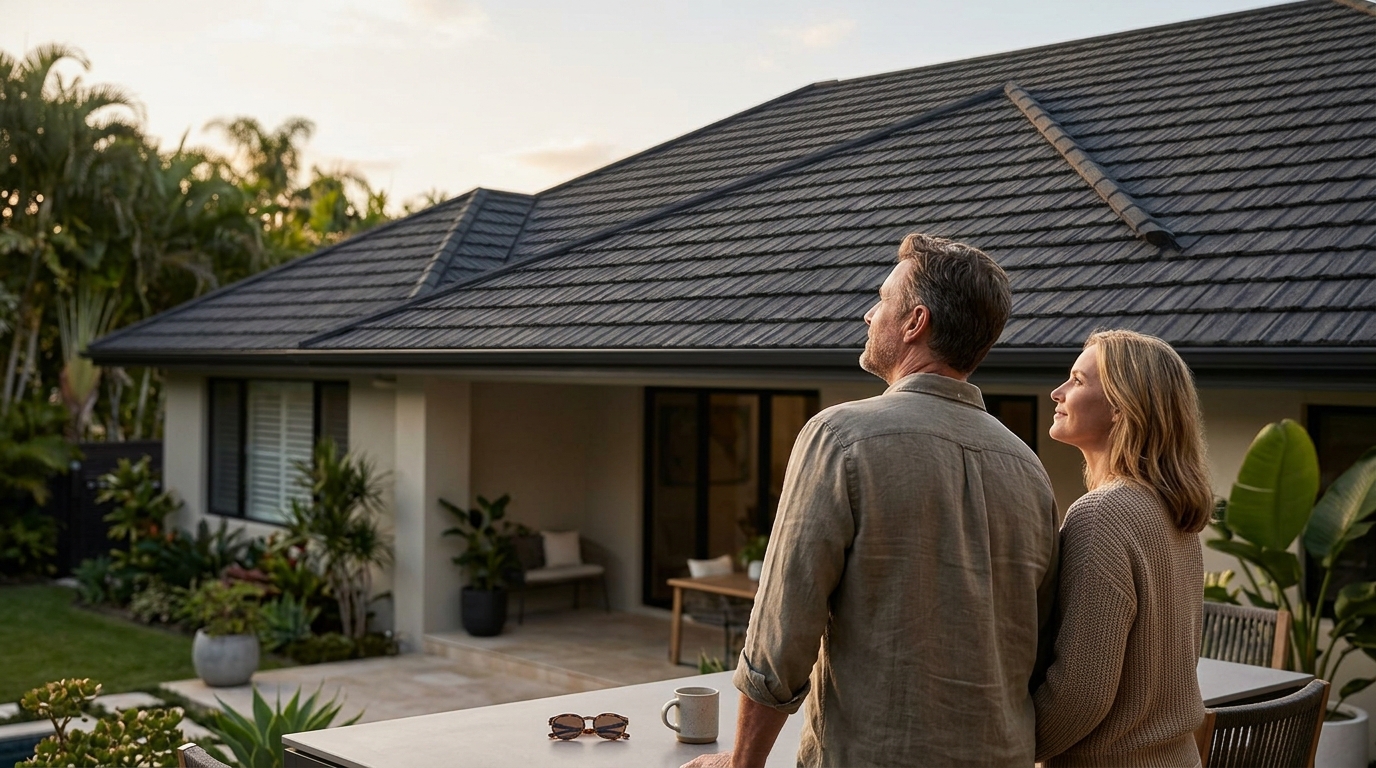
Choosing the correct roofing profile is not merely an aesthetic decision; it is a structural imperative that dictates your home’s longevity in tropical climates. According to recent industry data, stone-coated steel roofing systems can last up to 70 years, significantly outperforming traditional asphalt shingles which typically degrade within 15 to 25 years. This dramatic difference in lifespan makes the initial selection of the right profile critical for long-term value.
Understanding Stone-Coated Steel Profiles
Stone-coated steel roofing represents a fusion of modern metallurgy and traditional aesthetics. Stone-coated steel is a composite roofing material consisting of a galvanized steel core, an aluminum-zinc alloy coating, and a layer of natural stone granules bonded with acrylic. This construction provides a unique balance of lightweight durability and visual appeal.
The "profile" refers to the physical shape and cross-section of the steel sheet. This geometry determines how water drains, how wind uplift is resisted, and how the roof interacts with the underlying structure. In the Philippines, where homes face both torrential rains and intense UV exposure, the profile choice directly impacts performance.
Tilcrest Roofing Systems, as the official Philippine distributor of Decra Stone Coated Roofing, emphasizes that the profile must align with the architectural style of the home. Whether you prefer the rustic charm of a tile look or the sleek lines of a modern flat profile, the underlying steel integrity remains the same.
The Decra Profile Advantage
Decra, invented in 1957, is recognized as the pioneer of stone-coated roofing. Their profiles are engineered to exceed international standards for wind and fire resistance. The Decra profile system is designed to interlock securely, creating a continuous barrier against the elements.
One of the primary benefits of the Decra profile is its Class A fire resistance. This rating indicates the highest level of fire safety, a crucial factor for homes in densely populated areas or regions prone to dry seasons. Additionally, the stone granules on the surface are UV-stable, meaning they do not fade or chalk over time, preserving the home’s curb appeal.
For homeowners seeking a legacy of quality, Decra offers a lifespan of up to 70 years. This longevity is backed by decades of research and modern technology, ensuring that the roofing system performs optimally under tough external conditions. You can place your trust in roofing brands that have stood the test of time, as Tilcrest’s portfolio spans from Asia to the rest of the world.
Comparing Key Profile Types
Selecting the right profile involves comparing different aesthetic and functional options. Below is a summary of common stone-coated steel profiles available through Tilcrest.
| Profile Type | Aesthetic Style | Best For | Key Benefit |
|---|---|---|---|
| Decra Classic | Traditional Tile | Colonial, Mediterranean, and Heritage Homes | Authentic tile appearance with steel durability |
| Decra Shingle | Asphalt Shingle Look | Modern Residential and Suburban Developments | Lightweight and easy to install on complex roofs |
| Tsuruya Clay Tile | Premium Japanese Clay | Luxury Homes and High-End Commercial Projects | 30% market share in Japan for trusted durability |
| IKO Metal Shingles | Contemporary Flat | Minimalist and Modern Architectural Designs | Weather-resistant protection for every structure |
Each profile serves a distinct architectural purpose. The Decra Classic profile mimics the look of traditional clay tiles but weighs significantly less, reducing the load on your home’s structure. The Decra Shingle profile offers the familiar look of asphalt shingles but with the added benefits of steel strength and stone coating.
For those interested in premium Japanese craftsmanship, Tsuruya Japanese Clay Tiles offer a distinct alternative. Built specifically to cater to harsh environmental conditions, these tiles are crafted with a technique called firing clay. Tsuruya attributes a total of 30% production capacity and market share in Japan, making them one of the most trusted suppliers in the country.
Installation and Structural Considerations
The performance of any stone-coated steel roof is heavily dependent on proper installation. The profile must be correctly aligned and fastened to prevent wind uplift, a common issue in tropical storms. Tilcrest Roofing Systems ensures that all materials are supplied with detailed technical specifications to guide certified installers.
Structural integrity is paramount. While stone-coated steel is lightweight compared to concrete tiles, the underlying roof deck must be in good condition. Regular inspections catch issues early, saving you from costly repairs later. A missing fastener or a misaligned panel can compromise the entire system’s ability to shed water effectively.
Furthermore, the choice of profile affects the roof’s pitch requirements. Some profiles, like the Decra Shingle, can be installed on lower slopes, offering greater flexibility for modern architectural designs. Others may require a steeper pitch to ensure optimal water drainage. Consulting with a roofing expert is essential to determine the best profile for your specific roof geometry.
Climate Performance in the Philippines
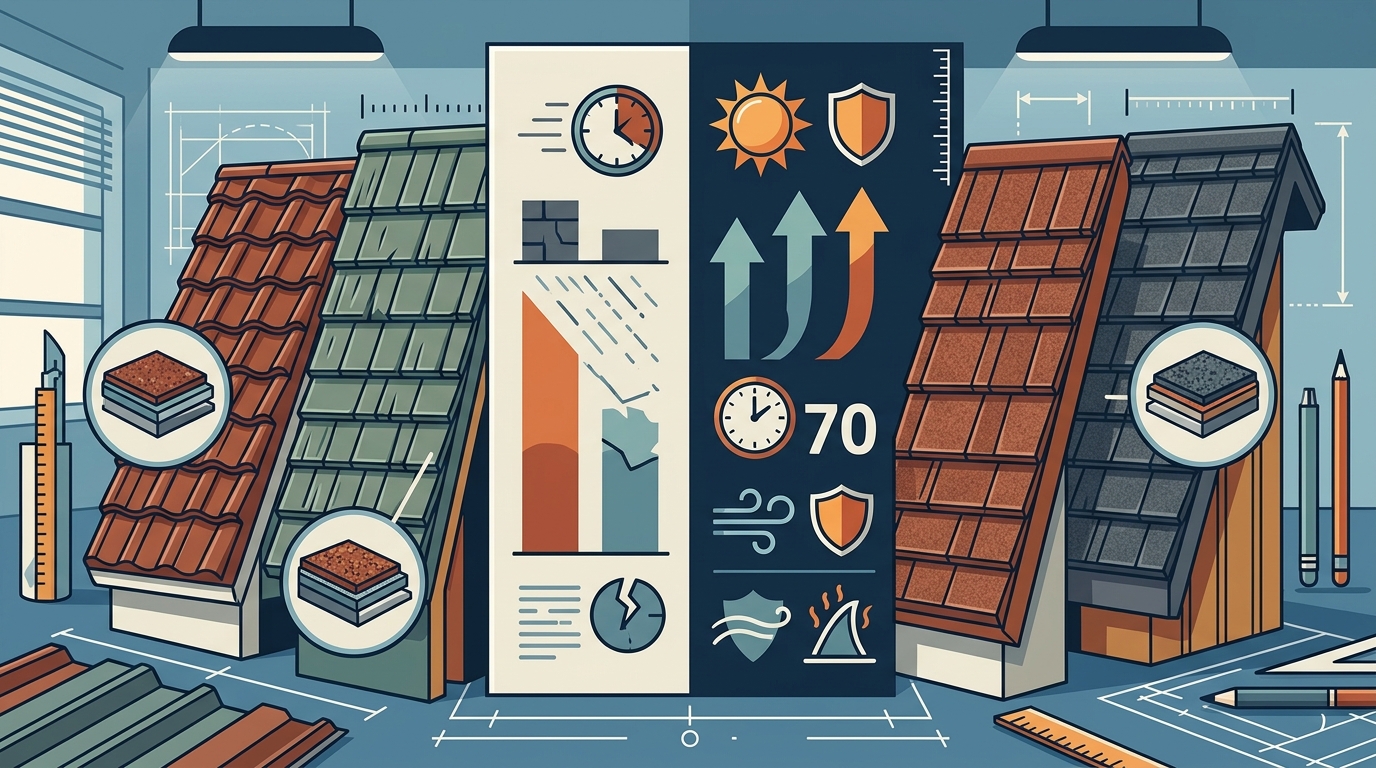
The Philippines presents unique challenges for roofing materials. Torrential downpours and scorching heat all year round can make any weak roof brittle and look old from continuous exposure. Stone-coated steel is engineered to withstand these extremes.
The stone granules on the surface reflect UV radiation, reducing heat transfer into the home. This can lead to lower energy bills by keeping cool air in during summer. A properly sealed roof keeps cool air in during summer and warmth inside during winter. Poor insulation and unnoticed gaps? That’s money leaking out with the air.
Additionally, the steel core provides excellent wind performance. In areas with heavy rain, winds, or harsh sun, your roof is constantly battling the elements. Routine maintenance ensures it’s ready for whatever Mother Nature throws at it. Tilcrest’s commitment to performance forward expertise means their products are tailored to real-local challenges in climate, altitude, and geographical condition.
Key Takeaways
- Longevity: Stone-coated steel roofing systems can last up to 70 years, offering a lifetime solution that you can even pass to your children.
- Brand Heritage: Decra invented stone-coated roofing in 1957, establishing a legacy of over 65 years in the industry.
- Fire Safety: Decra profiles offer Class A fire resistance, the highest rating for fire safety in roofing materials.
- Local Expertise: Tilcrest Roofing Systems operates as the official Philippine distributor, ensuring materials are tailored to local climate challenges.
- Premium Alternatives: Tsuruya Japanese Clay Tiles hold a 30% market share in Japan, representing premium craftsmanship.
- Energy Efficiency: The reflective stone granules help reduce heat absorption, potentially lowering cooling costs.
- Warranty Importance: A strong roofing warranty builds trust and guarantees protection against defects and unforeseen circumstances.
Frequently Asked Questions
What is the lifespan of stone-coated steel roofing?
Stone-coated steel roofing is designed for longevity, with a typical lifespan of up to 70 years when properly installed and maintained. This makes it a superior long-term investment compared to traditional asphalt shingles.
How does Decra roofing compare to traditional clay tiles?
Decra roofing mimics the aesthetic of traditional clay tiles but is significantly lighter and more durable. It offers the same visual appeal with enhanced resistance to impact, wind, and fire, making it ideal for modern construction.
Is stone-coated steel noisy during rain?
No. When installed with proper underlayment and insulation, stone-coated steel roofing is not noisier than other roofing materials. The stone granules and the steel core actually help dampen sound, providing a quiet indoor environment.
What are the benefits of Tsuruya Japanese Clay Tiles?
Tsuruya Japanese Clay Tiles are known for their premium craftsmanship and durability. They are designed to withstand harsh environmental conditions and offer a unique aesthetic that blends traditional Japanese architecture with modern functionality.
How often should I inspect my stone-coated steel roof?
It is recommended to inspect your roof at least twice a year, ideally before and after the rainy season. Regular inspections help identify minor issues, such as loose fasteners or damaged granules, before they become major problems.
Can stone-coated steel roofing be installed over existing roofs?
In many cases, yes. Stone-coated steel is lightweight and can often be installed over existing roofing materials, provided the underlying structure is sound. This can save on demolition and disposal costs.
What warranty does Tilcrest offer?
Tilcrest Roofing Systems provides comprehensive warranties on its products, including Decra Stone Coated Roofing. The warranty covers defects in materials and workmanship, ensuring peace of mind for homeowners.
Contact Tilcrest Roofing Systems
Choosing the right stone-coated steel roofing profile is a decision that impacts your home’s safety, aesthetics, and value for decades. Tilcrest Roofing Systems is committed to providing high-quality roofing through brands trusted for more than 80 years. With quality roofing materials in the Philippines, you’re guaranteed safety and security all year long.
Protect the roofing that protects you. From homes to large-scale developments, TILCREST delivers the best roofing brands in the Philippines you can count on. If you’re interested, send us a message to schedule a consultation with our experts. Visit our Decra page to explore our full range of stone-coated options.