
Clay Tiles vs. Metal Roofing: Cost Comparison for Philippine Homes
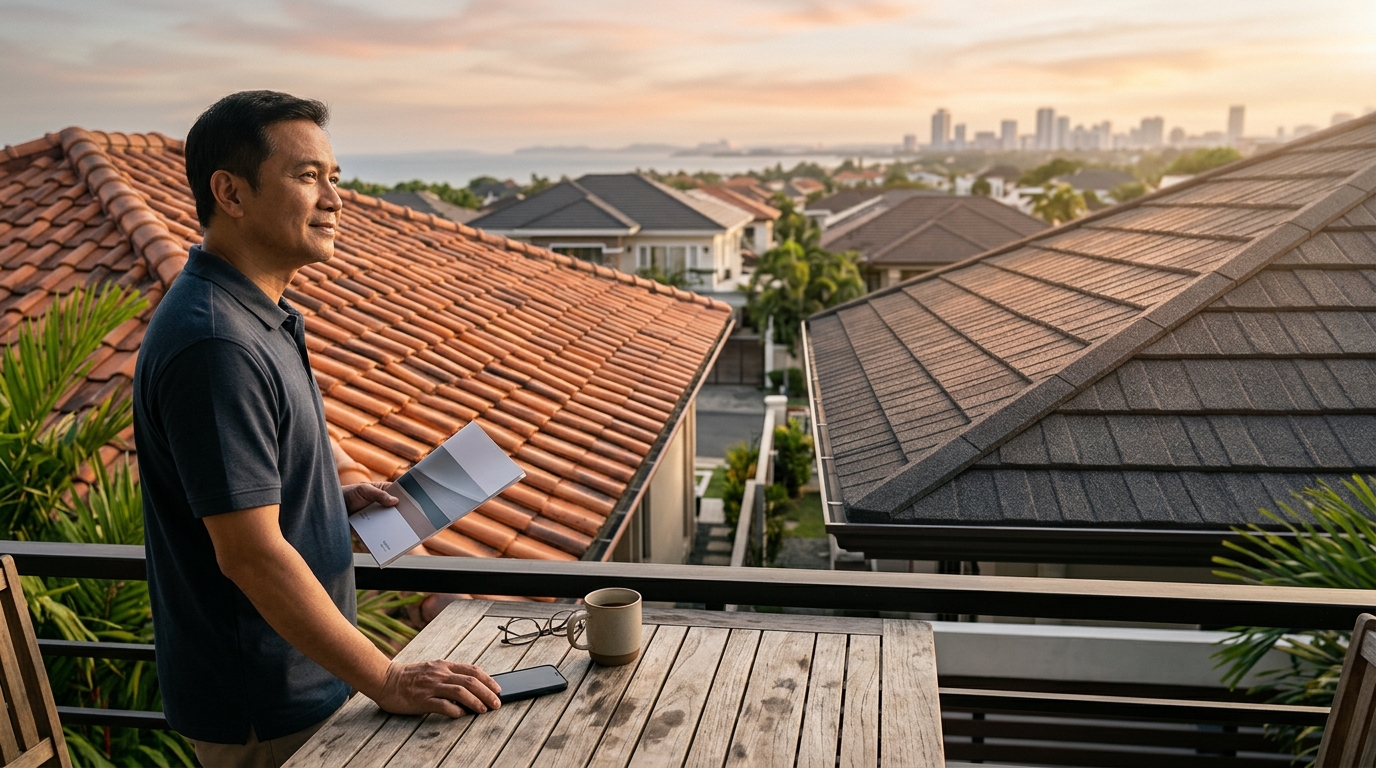
Homeowners in the Philippines face unique challenges when selecting roofing materials due to the country's tropical climate and frequent exposure to typhoons. The decision between traditional clay tiles and modern metal roofing systems often comes down to a complex balance of upfront costs, longevity, and maintenance requirements. According to recent construction industry data, premium roofing materials can extend a home's structural lifespan by up to 70 years compared to standard asphalt alternatives. This guide analyzes the financial and performance implications of choosing between Tsuruya Japanese Clay Tiles and Decra Stone Coated Metal Roofing, two premium options distributed by Tilcrest Roofing Systems. (Contact Us Tilcrest)
Upfront Cost Analysis
The initial investment for roofing is often the primary filter for homeowners. Clay tiles, specifically those crafted by Tsuruya, represent a premium category of building materials. These tiles are fired at high temperatures, a process that ensures density and durability but also drives up manufacturing costs. The weight of clay tiles also requires a more robust structural framework, adding to the overall project expense.
Conversely, Decra Stone Coated Metal Roofing offers a different cost structure. While the material itself is engineered for high performance, the installation process is generally faster and requires less structural reinforcement than heavy clay. This makes metal roofing a more accessible entry point for homeowners seeking premium durability without the extreme weight penalties of traditional masonry roofing. Both options, however, sit significantly above the price point of standard asphalt shingles, reflecting their superior material science and manufacturing standards.
Longevity and Lifespan
When evaluating cost, the lifespan of the roof is the most critical multiplier. A roof that lasts twice as long effectively halves its annual cost. Tsuruya Japanese Clay Tiles are renowned for their exceptional durability. These tiles are designed to withstand harsh environmental conditions, including the intense UV radiation and heavy rainfall typical of the Philippines. With proper installation, clay tiles can last for decades, often outlasting the structure they protect.
Decra Stone Coated Metal Roofing also boasts an impressive lifespan, often rated for up to 70 years. The combination of an aluminum-zinc alloy coating and stone granules provides a barrier against corrosion and weathering. This longevity is not just a marketing claim but a result of decades of research into material science. For homeowners planning to stay in their property long-term, both options offer a lifetime solution that can be passed down to future generations.
Maintenance and Repair Costs
Regular maintenance is essential for any roofing system, but the frequency and cost of repairs vary significantly between materials. Clay tiles are generally low-maintenance but are brittle. If a tile cracks due to impact from falling branches or hail, it must be replaced individually. This can be labor-intensive and costly if the tiles are no longer in production or match the existing batch.
Metal roofing, particularly stone-coated varieties, is designed to resist impact and weathering. However, the underlying structure must be maintained to prevent issues like fastener loosening or sealant degradation. Prioritizing roof maintenance ensures that small issues do not escalate into major leaks. Tilcrest Roofing Systems emphasizes the importance of professional inspections to catch these issues early, saving homeowners from costly emergency repairs.
Energy Efficiency and Thermal Performance
In the Philippines, where temperatures remain high year-round, the thermal performance of a roof directly impacts energy bills. Clay tiles have natural insulating properties due to their density and mass. They absorb heat slowly and release it gradually, helping to regulate indoor temperatures. This can lead to significant savings on air conditioning costs over time.
Metal roofing, on the other hand, is highly reflective. Stone-coated metal roofs, like those from Decra, are engineered to reflect solar radiation, reducing the heat transfer into the attic and living spaces. This reflective quality can make metal roofing more energy-efficient in certain climates, particularly in areas with intense direct sunlight. The choice between the two may depend on the specific design of the home and the effectiveness of its insulation layers.
Aesthetic Value and Property Impact
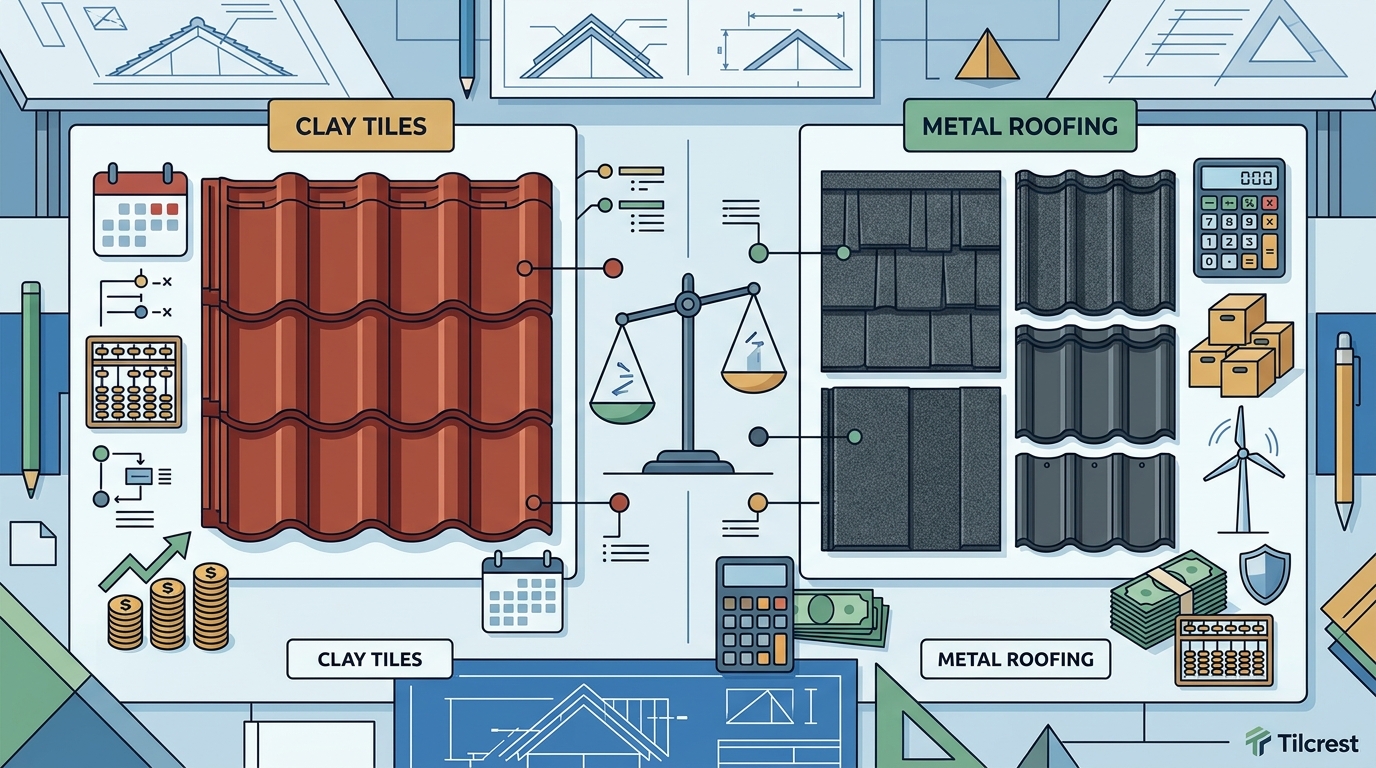
The visual appeal of a roof contributes to the overall curb appeal and market value of a property. Tsuruya clay tiles offer a timeless, traditional aesthetic that is deeply rooted in Japanese architectural heritage. Their rich textures and earthy tones provide a unique character that is difficult to replicate with other materials.
Decra stone-coated metal roofing offers versatility in design. It can mimic the look of traditional clay tiles, slate, or wood shakes while providing the benefits of metal. This flexibility allows homeowners to achieve a premium look without the weight and fragility of natural materials. Both options are considered premium upgrades that can enhance property value, but the choice ultimately depends on the desired architectural style.
Key Takeaways
- Decra Stone Coated Roofing was invented in 1957 and is recognized as the original stone-coated roofing system.
- Tsuruya Japanese Clay Tiles hold a significant market share in Japan, known for their premium craftsmanship and durability.
- IKO Metals provides reliable, weather-resistant protection for structures requiring robust performance.
- Tilcrest Roofing Systems serves as the official Philippine distributor for these international premium brands.
- Roof Lifespan for premium materials like Decra can reach up to 70 years, offering a lifetime solution.
- Maintenance is critical for both materials to prevent small issues from becoming major structural problems.
- Energy Efficiency can be optimized through proper insulation and material selection, reducing long-term utility costs.
Frequently Asked Questions
Which is more expensive, clay tiles or metal roofing?
Clay tiles generally have a higher upfront material cost due to their manufacturing process and weight. However, metal roofing can be more expensive to install if structural reinforcement is required. The total cost depends on the specific product line and installation complexity.
How long do Tsuruya clay tiles last?
Tsuruya Japanese Clay Tiles are designed for long-term durability. With proper installation and maintenance, they can last for decades, often outlasting the building itself. They are resistant to harsh weather conditions and UV radiation.
Is Decra roofing noisy during rain?
Modern stone-coated metal roofing, such as Decra, is designed to minimize noise. When installed with proper underlayment and insulation, the noise level is comparable to or even quieter than traditional clay tiles.
Can metal roofing withstand typhoons?
Yes, Decra stone-coated metal roofing is engineered for high wind performance. It is tested to withstand extreme weather conditions, making it a suitable choice for the Philippines' typhoon-prone regions.
What is the warranty period for premium roofing?
Warranty periods vary by manufacturer and product line. Decra offers a lifetime warranty for residential applications, while Tsuruya provides warranties based on material defects. Tilcrest Roofing Systems can provide specific warranty details for each product.
Do I need to reinforce my roof structure for clay tiles?
Clay tiles are heavy and may require additional structural support. A professional assessment is necessary to determine if the existing roof frame can support the load or if reinforcement is needed.
How does Tilcrest support homeowners?
Tilcrest Roofing Systems provides expert consultation, product distribution, and installation guidance for Decra, Tsuruya, and IKO Metals. They ensure that homeowners receive high-quality materials and professional service.
Contact Tilcrest Roofing Systems
Choosing the right roofing material is a significant investment in your home's safety and value. Tilcrest Roofing Systems is committed to providing world-class roofing solutions tailored to the Philippine climate. Whether you prefer the timeless elegance of Tsuruya clay tiles or the modern durability of Decra stone-coated metal roofing, our team is here to guide you.
For expert advice and premium roofing products, contact Tilcrest Roofing Systems today. Visit our brands page to learn more about our portfolio. Explore our blog for more insights on roofing maintenance and innovation.