
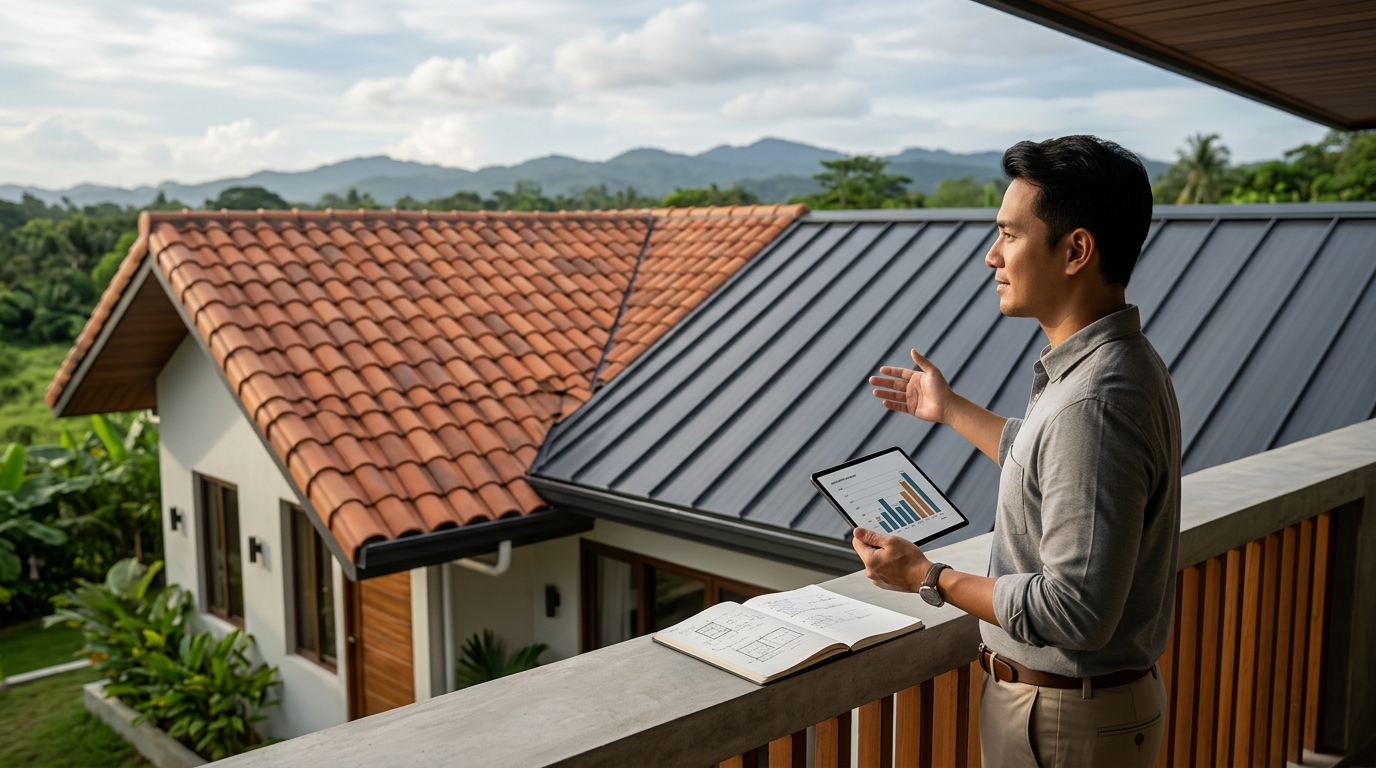
Homeowners in the Philippines face a unique set of challenges when selecting roofing materials. The tropical climate brings torrential downpours, high humidity, and intense UV exposure that can degrade inferior materials within years. According to recent industry data, the average lifespan of standard asphalt shingles in tropical climates is only 15 to 25 years, whereas premium metal and clay options can last significantly longer. This disparity in longevity directly impacts the total cost of ownership, making a detailed comparison essential for any serious construction project. (Contact Us Tilcrest)
Initial Investment Breakdown
The most immediate factor in any roofing decision is the upfront cost. In the Philippine market, metal roofing generally offers a lower entry point compared to clay tiles. Decra Stone Coated Roofing, for instance, is engineered to provide the aesthetic appeal of traditional tiles with the structural efficiency of steel. The material composition includes an acrylic primer, a steel core, and an aluminum-zinc alloy coating. This multi-layered approach ensures strength while keeping production costs lower than the kiln-firing process required for clay. (About Us Tilcrest)
Conversely, Tsuruya Japanese Clay Tiles represent a premium investment. These tiles are crafted using traditional firing techniques that enhance their density and durability. The manufacturing process is energy-intensive and labor-heavy, which drives up the initial price. However, this higher initial outlay is often justified by the material's inherent permanence. When evaluating the budget, it is crucial to consider not just the material cost per square meter, but also the structural requirements. Clay tiles are significantly heavier, often necessitating a reinforced roof truss system, which adds to the overall project cost. (About Us Tilcrest)
Durability and Lifespan Analysis
Longevity is the primary driver of long-term value. Metal roofing, particularly stone-coated varieties, is designed to withstand the harsh Philippine weather. Decra roofing systems boast a lifespan of up to 70 years. This durability is achieved through the stone granules on the surface, which protect the underlying metal from UV radiation and corrosion. The material is also Class A fire-resistant, providing an additional layer of safety in densely populated areas.
Clay tiles are equally durable, often lasting 50 to 100 years if properly maintained. They are non-combustible and resistant to rot, insects, and fire. However, clay is brittle. In areas prone to heavy hail or falling debris, clay tiles may crack or break more easily than metal sheets. The Tsuruya brand addresses this by using high-quality clay formulations that resist weathering, but the physical fragility remains a consideration. For homeowners in typhoon-prone regions, the wind uplift resistance of properly installed metal roofing often makes it a more resilient choice.
Maintenance and Repair Costs
Both materials require minimal maintenance, but the nature of that maintenance differs. Metal roofing is generally low-maintenance. Occasional cleaning to remove debris and moss is sufficient to maintain its appearance and performance. The stone-coated surface is designed to resist fading and chalking, ensuring the roof looks new for decades. IKO Metals and similar premium brands offer warranties that cover both material defects and weather resistance, reducing the financial risk for the homeowner.
Clay tiles, while durable, can suffer from moss and algae growth in humid environments. This requires periodic cleaning to prevent surface degradation. If individual tiles crack, they can be replaced individually, which is a cost advantage over metal sheets that may require larger section replacements if damaged. However, the weight of clay means that the underlying structure must be inspected regularly to ensure it has not shifted or settled, which could lead to tile misalignment and leaks.
Energy Efficiency and Thermal Performance
Thermal performance is a critical factor in the Philippines, where cooling costs can be substantial. Metal roofing, especially when installed with proper ventilation and insulation, can reflect solar radiation, reducing heat transfer into the home. Stone-coated metal roofs, like those from Decra, offer excellent thermal mass and reflectivity, helping to keep interior spaces cooler. This can lead to significant savings on air conditioning bills over the life of the roof.
Clay tiles also have good thermal properties. The density of the clay helps to insulate the home, keeping it cool during the day and warm at night. However, the effectiveness of clay tiles depends heavily on the roof cavity ventilation. Without adequate airflow, the heat absorbed by the tiles can radiate into the living space. Both materials can be part of an energy-efficient roofing system, but metal roofing often offers easier integration with modern insulation technologies.
Aesthetic Value and Resale Impact
Aesthetics play a significant role in property value. Clay tiles offer a timeless, classic look that is highly prized in traditional and luxury home designs. The natural variation in color and texture adds character and depth to the facade. Tsuruya Japanese Clay Tiles are particularly renowned for their craftsmanship and ability to elevate the architectural style of a home.
Metal roofing has evolved significantly. Modern stone-coated metal roofs, such as those offered by Decra, mimic the appearance of clay tiles, slate, or even wood shakes with remarkable accuracy. This allows homeowners to achieve a premium aesthetic without the weight and cost of traditional materials. The consistency of metal roofing can also be an advantage, providing a uniform look that appeals to contemporary design sensibilities. Both options can enhance resale value, but the choice often depends on the architectural style of the neighborhood and the preferences of potential buyers.
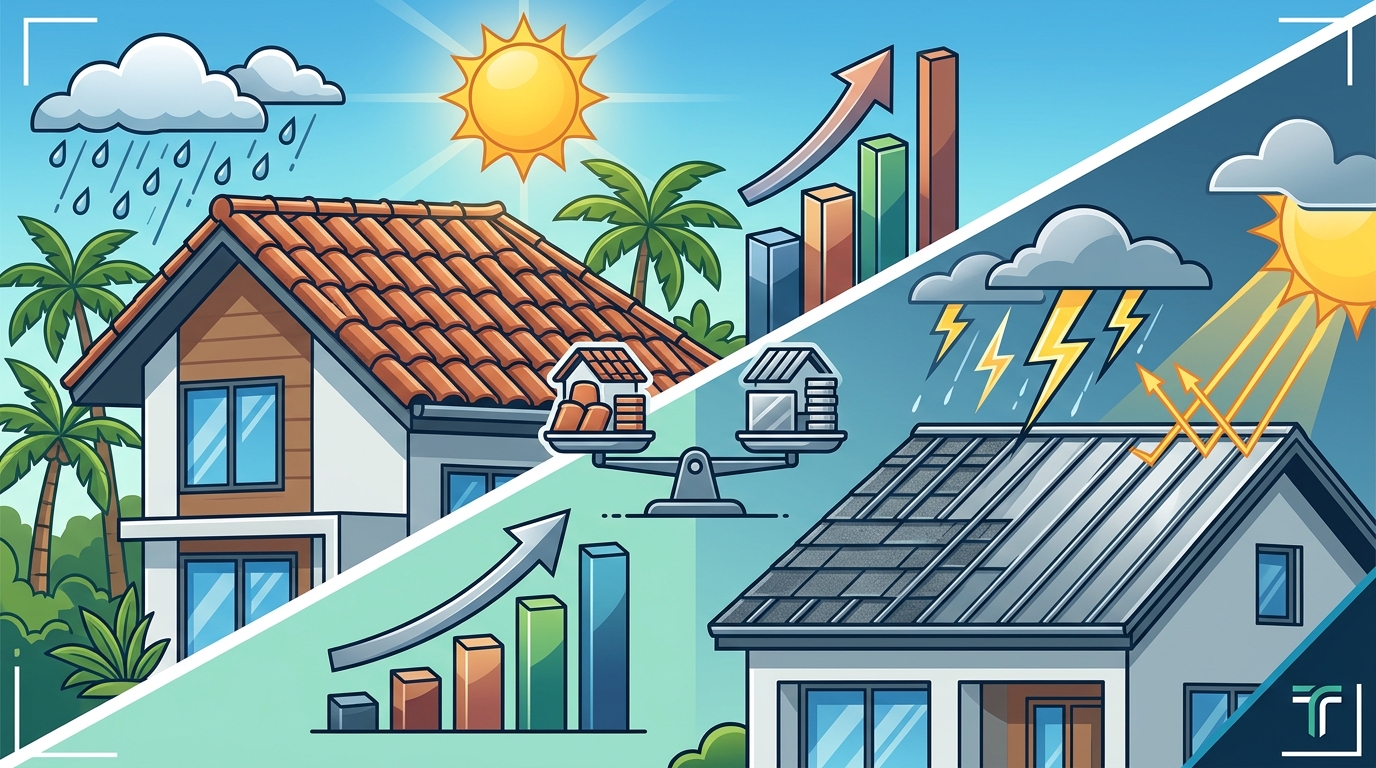
Cost Comparison Summary
| Factor | Clay Roofing (Tsuruya) | Metal Roofing (Decra/IKO) |
|---|---|---|
| Initial Material Cost | High | Medium to High |
| Installation Complexity | High (Requires reinforced structure) | Medium (Lighter weight) |
| Lifespan | 50-100 years | 40-70 years |
| Maintenance Frequency | Low (Periodic cleaning) | Very Low |
| Weather Resistance | High (Brittle under impact) | Very High (Wind/Hail resistant) |
| Thermal Performance | Good (Insulative) | Excellent (Reflective) |
Key Takeaways
- Decra Stone Coated Roofing was invented in 1957, pioneering the stone-coated metal roofing industry.
- Tsuruya holds approximately 30% of the production capacity and market share in Japan for clay tiles.
- IKO Shingles offer over 50 years of expertise in bitumen and metal roofing solutions.
- Metal roofing typically has a lower initial cost and easier installation compared to clay.
- Clay tiles offer a longer potential lifespan but require a stronger structural support system.
- Both materials provide excellent durability against the Philippine tropical climate when installed correctly.
- Tilcrest Roofing Systems serves as the official distributor for these premium international brands in the Philippines.
Frequently Asked Questions
Which is cheaper, clay or metal roofing in the Philippines?
Metal roofing, particularly stone-coated options like Decra, generally has a lower initial cost than traditional clay tiles. However, the total cost includes installation and structural requirements, which can narrow the gap.
How long does Decra roofing last?
Decra stone-coated roofing is designed to last up to 70 years, offering a lifetime solution for homeowners. It is backed by extensive research and quality guarantees.
Are clay tiles suitable for typhoon-prone areas?
Yes, clay tiles are durable, but they are brittle and can break from impact. Metal roofing often offers better wind uplift resistance and impact durability in severe weather conditions.
Does Tilcrest offer warranties for their roofing materials?
Yes, Tilcrest Roofing Systems provides warranty options for its brands, including Decra and Tsuruya, to ensure customer confidence and long-term protection.
Can metal roofing look like clay tiles?
Absolutely. Modern stone-coated metal roofing, such as Decra, is engineered to mimic the appearance of clay tiles, slate, and other traditional materials without the added weight.
What is the maintenance requirement for Tsuruya clay tiles?
Tsuruya clay tiles require minimal maintenance, primarily involving periodic cleaning to remove moss or algae. Individual tile replacement is possible if damage occurs.
Is IKO Metals a reliable brand for the Philippine climate?
Yes, IKO Metals offers weather-resistant protection designed to withstand harsh environmental conditions, making it a reliable choice for Philippine homes and commercial buildings.
Contact Tilcrest for Premium Roofing Solutions
Choosing the right roofing material is a critical decision that impacts your home's safety, aesthetics, and value for decades. Tilcrest Roofing Systems is committed to providing high-quality roofing through brands trusted for more than 80 years. Whether you prefer the timeless elegance of Tsuruya clay tiles or the innovative durability of Decra stone-coated roofing, we have the solution for you. Visit our premium roofing guide to learn more about our brands. Contact us today to schedule a consultation and protect your home with the best.