
Coastal environments impose unique structural demands on residential roofing systems that inland homes rarely face. The combination of high humidity, salt spray, and intense UV radiation accelerates material degradation significantly. According to industry data, homes in coastal zones often experience roofing material failure rates up to 30% faster than those in moderate climates. This accelerated wear makes the initial cost-benefit analysis of premium shingles versus standard asphalt critically important for long-term property value preservation. (3 Best Asphalt)
Understanding Coastal Roofing Challenges
Living near the ocean provides undeniable aesthetic and lifestyle benefits, but it also introduces aggressive environmental factors to your home's exterior. Salt air is corrosive, meaning it can eat away at metal components and degrade organic binders in roofing materials over time. Furthermore, coastal regions often experience higher wind speeds and more frequent severe weather events, such as typhoons and heavy downpours.
Standard asphalt shingles, while ubiquitous, are not inherently designed to withstand this level of abrasion and chemical exposure. The granules that protect the asphalt from UV rays can wash away or dislodge more quickly in salty, humid conditions. This leads to premature aging, curling, and loss of waterproofing integrity. For homeowners in these areas, the choice of roofing material is not just an aesthetic decision but a structural necessity.
Tilcrest Roofing Systems understands these local challenges deeply. As the official Philippine distributor of world-class roofing brands, we specialize in materials that are engineered to resist these specific coastal stressors. Our portfolio includes Decra Stone Coated Roofing, which is specifically designed to offer superior wind and corrosion resistance compared to traditional materials.
Standard Asphalt: The Budget Option
Standard asphalt shingles remain the most popular roofing choice globally due to their low upfront cost and ease of installation. They are widely available and familiar to most contractors. However, their performance in coastal environments is often compromised by their material composition.
Asphalt shingles are primarily made of a fiberglass or organic mat saturated with asphalt and coated with ceramic granules. While effective in mild climates, the asphalt binder can become brittle in extreme heat or soft in intense humidity. In coastal zones, the salt spray can accelerate this breakdown, leading to cracks and leaks. Additionally, standard asphalt shingles typically have a lifespan of 15 to 25 years, which is significantly shorter than premium alternatives. (3 Best Asphalt)
For a coastal homeowner, the low initial cost of asphalt may seem appealing. However, the frequency of repairs and the need for earlier replacement can negate these savings. The cost of frequent roof maintenance in a corrosive environment often exceeds the initial price difference between standard and premium materials.
Premium Shingles and Stone-Coated Options
Premium roofing materials, such as stone-coated steel and high-grade synthetic shingles, are engineered to withstand harsh environmental conditions. These materials offer superior durability, wind resistance, and aesthetic longevity. Brands like Tsuruya Japanese Clay Tiles and IKO Metals represent the pinnacle of this technology.
Stone-coated roofing, for instance, combines the strength of steel with the aesthetic appeal of natural stone granules. The steel core provides exceptional wind resistance, often rated for hurricane-force winds, while the stone coating protects against UV damage and corrosion. This makes it an ideal choice for coastal homes where both wind and salt are significant threats.
Furthermore, premium materials often come with extensive warranties that reflect their durability. For example, Decra stone-coated roofing boasts a lifespan of up to 70 years, offering a lifetime solution that protects your home for generations. This longevity is a critical factor in the cost-benefit analysis, as it reduces the total cost of ownership over time.
Cost-Benefit Analysis
When comparing the cost-benefit of premium shingles versus standard asphalt for coastal homes, it is essential to look beyond the initial installation price. The total cost of ownership includes maintenance, repairs, and replacement frequency.
| Factor | Standard Asphalt | Premium Stone-Coated/Synthetic |
|---|---|---|
| Initial Cost | Low | High |
| Lifespan (Coastal) | 10-15 years | 40-70 years |
| Maintenance Frequency | High | Low |
| Wind Resistance | Moderate | Excellent |
| Corrosion Resistance | Low | High |
| Warranty | 10-20 years | Lifetime/50+ years |
While the upfront investment for premium materials is higher, the long-term savings are substantial. A standard asphalt roof in a coastal area may need replacement twice within the lifespan of a single premium roof. This means paying for installation, materials, and potential interior damage from leaks multiple times over. Premium materials also offer better energy efficiency, reflecting more sunlight and reducing cooling costs during hot coastal summers.
Lifespan and Maintenance Comparison
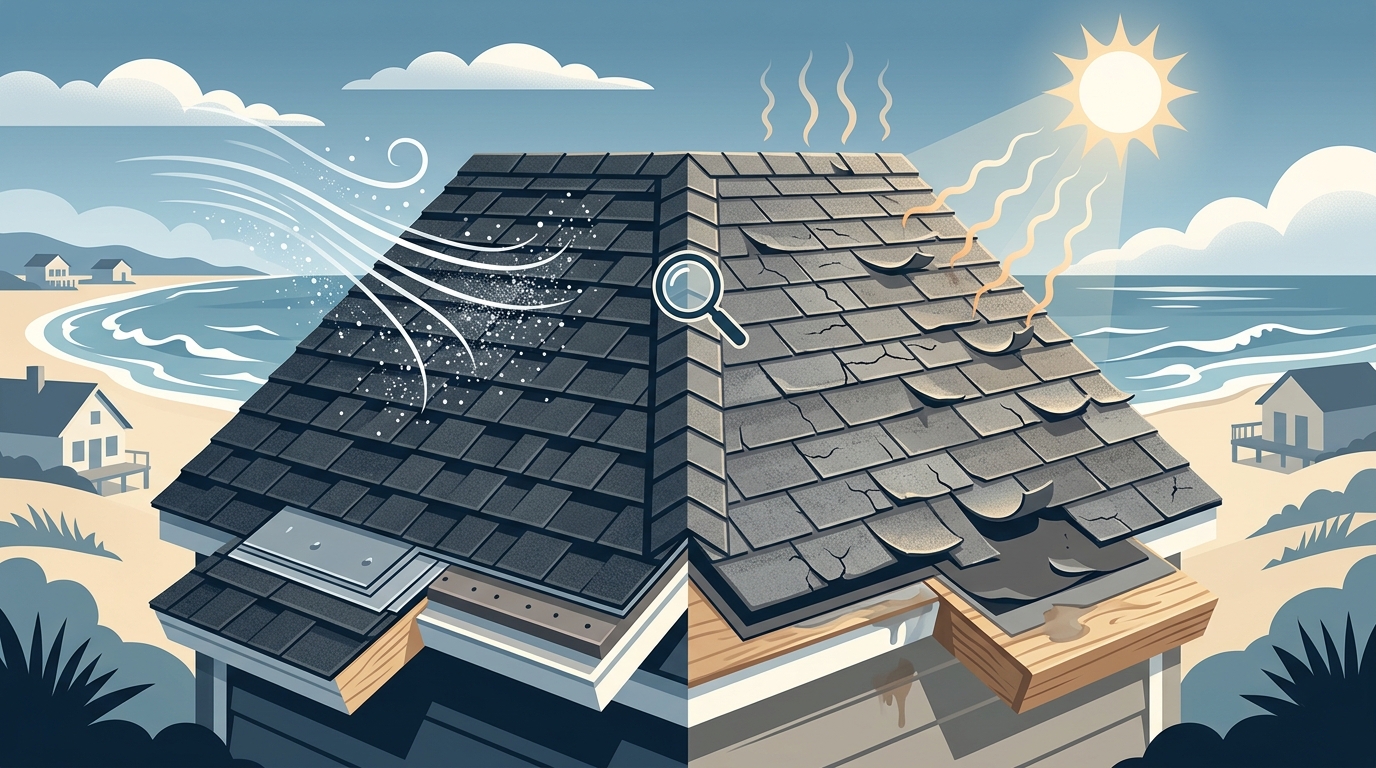
The lifespan of a roof is directly impacted by its material quality and the environment it serves. Standard asphalt shingles in coastal zones often suffer from granule loss, leading to exposed asphalt and rapid degradation. This process can be accelerated by salt spray, which acts as an abrasive and a chemical agent.
In contrast, premium materials like stone-coated steel are designed to resist these effects. The stone granules provide a protective layer that shields the underlying metal from UV rays and corrosion. This results in a roof that maintains its structural integrity and aesthetic appeal for decades. Regular maintenance for premium roofs is minimal, often limited to occasional inspections and cleaning to remove debris.
For coastal homeowners, the peace of mind that comes with a durable, long-lasting roof is invaluable. Knowing that your roof can withstand typhoons, heavy rains, and salt air without frequent repairs allows you to focus on enjoying your home rather than worrying about its condition. Prioritizing roof maintenance is crucial, but choosing the right material from the start reduces the burden significantly.
Key Takeaways
- Coastal environments accelerate roofing material degradation due to salt spray and humidity.
- Standard asphalt shingles have a shorter lifespan in coastal zones, often lasting only 10-15 years.
- Premium stone-coated roofing offers superior wind and corrosion resistance, with lifespans up to 70 years.
- The total cost of ownership for premium materials is often lower due to reduced maintenance and replacement frequency.
- Tilcrest Roofing Systems provides access to world-class brands like Decra, Tsuruya, and IKO Metals.
- Premium materials offer better energy efficiency, reflecting UV rays and reducing cooling costs.
- Investing in high-quality roofing protects your home's value and ensures long-term safety.
Frequently Asked Questions
Are premium shingles worth the cost for coastal homes?
Yes, premium shingles are generally worth the cost for coastal homes due to their superior resistance to salt, wind, and UV damage. The longer lifespan and reduced maintenance needs often result in lower total costs over time compared to standard asphalt.
How does salt air affect asphalt shingles?
Salt air can accelerate the degradation of the asphalt binder and dislodge protective granules, leading to premature cracking and leakage. This corrosion process is significantly faster in coastal environments than in inland areas.
What is the lifespan of stone-coated roofing in coastal areas?
Stone-coated roofing, such as Decra, can last up to 70 years in coastal areas. Its steel core and stone granule coating provide excellent protection against corrosion and wind damage.
Do premium roofing materials offer better wind resistance?
Yes, premium materials like stone-coated steel and high-grade synthetic shingles are engineered to withstand higher wind speeds. They are often rated for hurricane-force winds, making them ideal for coastal regions prone to severe weather.
How often should I replace my roof in a coastal zone?
Standard asphalt roofs in coastal zones may need replacement every 10-15 years. Premium materials can last 40-70 years, significantly reducing the frequency of replacements and associated costs.
Can I install premium roofing over my existing asphalt roof?
It is generally recommended to remove existing roofing materials before installing premium roofing to ensure proper adhesion and performance. However, specific conditions may allow for overlay installation. Consult with a professional roofer for an assessment.
What brands of premium roofing does Tilcrest offer?
Tilcrest offers Decra Stone Coated Roofing, Tsuruya Japanese Clay Tiles, and IKO Metals. These brands are selected for their durability, aesthetic appeal, and suitability for the Philippine climate.
Secure Your Roof Today
Protecting your coastal home requires more than just a roof; it requires a system engineered for resilience. Tilcrest Roofing Systems is committed to providing high-quality roofing through brands trusted for more than 80 years. From homes to large-scale developments, we deliver the best roofing brands in the Philippines you can count on.
Do not wait until water starts dripping from your ceiling to think about your roof. Contact us today to discuss your roofing needs and discover how our premium solutions can protect your home for decades to come. Visit our contact page to schedule a consultation with our experts.